

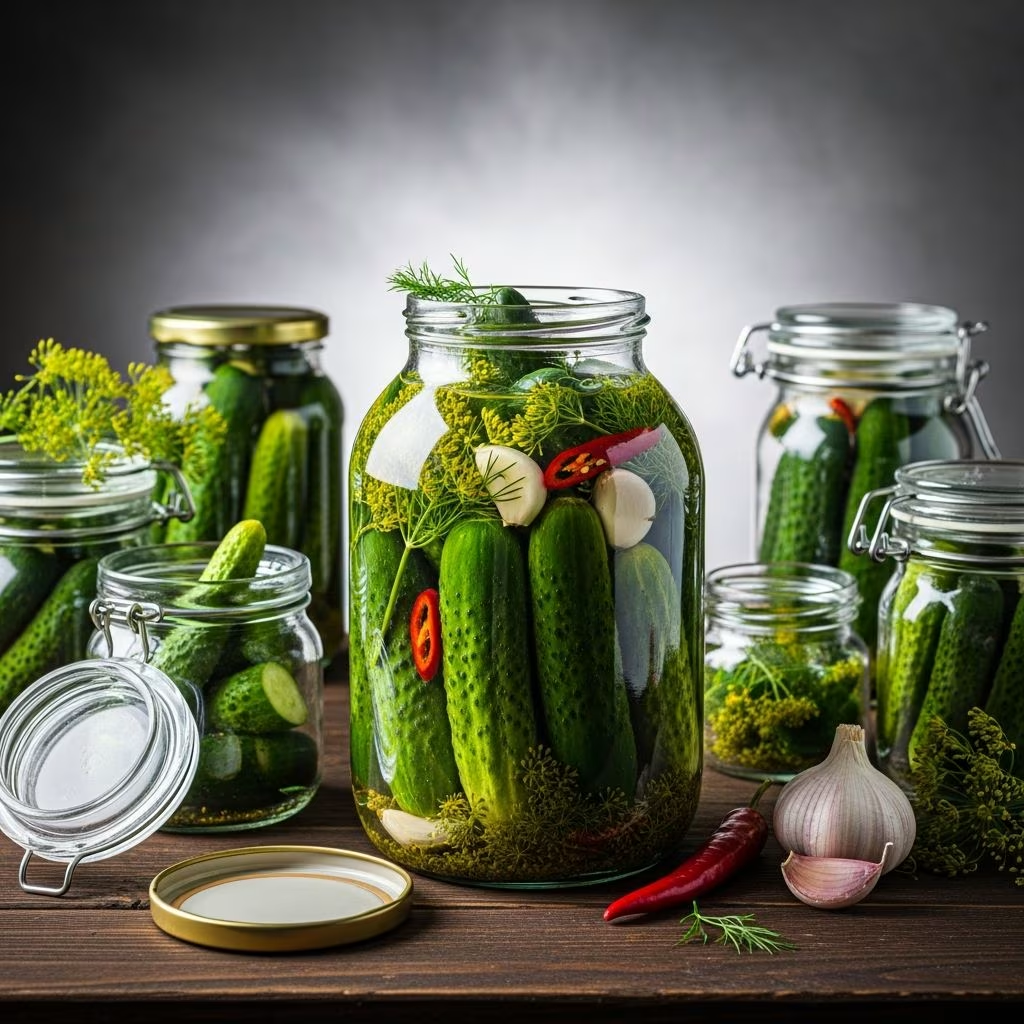
Making pickles at home is an easy, budget-friendly way to preserve cucumbers and other vegetables while enjoying fresh, crunchy flavors that beat store-bought options. With minimal ingredients and no special equipment, you can whip up batches of pickles for pennies compared to grocery store prices, which often exceed $5 per jar.
Why Make Homemade Pickles?
Homemade pickles offer superior taste, texture, and control over ingredients. Store-bought varieties frequently contain preservatives, dyes, and excessive sugar, while fresh homemade versions retain natural crunch and probiotic benefits when made as refrigerator or fermented pickles. You’ll save money— a single batch costs under $2 for multiple jars— and reduce food waste by using garden surplus or discounted produce.
Pickling also encourages creativity. Experiment with spices, fruits, and veggies for unique flavors like spicy jalapeño or sweet bread-and-butter styles. It’s a skill passed down through generations, now revived for modern kitchens seeking self-sufficiency.
Types of Pickles
There are three main styles of pickles, each with distinct methods, textures, and shelf lives:
- Fresh (Refrigerator or Quick Pickles): Made by soaking vegetables in a vinegar brine at room temperature. These crunchy pickles have probiotic benefits, ideal as snacks or garnishes. Ready in hours, they last 1-2 months in the fridge.
- Fermented (Kosher or Half-Sours): Naturally lacto-fermented in a salt brine without vinegar. Highest in probiotics with moderate crunch; perfect for sandwiches. Take 3-7 days to ferment.
- Shelf-Stable: Heat-processed via canning for room-temperature storage. Softer texture, longer shelf life (1+ year), but heat kills beneficial bacteria.
Beginners should start with quick refrigerator pickles for speed and simplicity.
Ingredients for Pickles
Core ingredients are affordable and versatile. Use pickling cucumbers (Kirby or Persian varieties) for best crunch—avoid waxed salad cukes.
| Ingredient | Amount (per quart jar) | Purpose |
|---|---|---|
| Pickling cucumbers | 1-1.5 lbs | Main vegetable; sliced or speared |
| Vinegar (5% acidity: white, apple cider, rice) | 2 cups | Preserves and flavors; apple cider adds fruitiness |
| Water | 2 cups | Dilutes brine |
| Sugar | 1-2 tbsp (adjust for sweetness) | Balances acidity |
| Kosher or sea salt | 1-2 tbsp | Preserves, enhances crunch |
Spices and Add-Ins: Garlic cloves, dill heads, mustard seeds, black peppercorns, red pepper flakes, bay leaves. Fresh herbs boost flavor without clouding brine. Avoid iodized salt to prevent cloudy liquid.
Equipment You’ll Need
No canning setup required for refrigerator pickles. Essentials include:
- Clean glass jars (pint or quart mason jars)
- Non-reactive pots (stainless steel or enamel)
- Sharp knife or mandoline for slicing
- Weights (small plate or ziplock bag) to submerge veggies
- Clean towels and utensils to prevent contamination
Sterilize jars by boiling 10 minutes or running through dishwasher. Always use clean hands-free tools to avoid bacteria.
Step-by-Step: How to Make Quick Refrigerator Pickles
This classic dill recipe yields 2 quart jars and takes 20 minutes active time plus chilling.
- Prepare Cucumbers: Wash and trim blossom ends (enzyme softens pickles). Slice into spears, chips, or leave whole.
- Pack Jars: Add cucumbers, garlic (2 cloves/jar), dill (2 sprigs/jar), mustard seeds (1 tsp/jar), peppercorns (½ tsp/jar).
- Make Brine: Boil 2 cups water, 2 cups vinegar, 2 tbsp salt, 2 tbsp sugar, optional spices (bay leaf, chile). Stir until dissolved.
- Pour and Submerge: Ladle hot brine over cucumbers, leaving ½-inch headspace. Use weight to keep submerged. Cool to room temp.
- Refrigerate: Seal and chill 24-48 hours for flavor. Ready to eat; best after 1 week. Store up to 2 months.
Tip: Hot brine partially blanches veggies for tenderness and flavor penetration.
Recipe Variations
Customize with these flavor twists:
- Bread-and-Butter: Increase sugar to ¼ cup, add sliced onions, turmeric, celery seeds for sweet-tangy crunch.
- Spicy: Habanero slices, garlic, extra red flakes. Balance heat with sugar.
- Sweet: Rice vinegar, honey, sesame oil for Asian-style daikon or carrots.
- Winter Veggies: Carrots, cauliflower, beets with cinnamon, star anise.
Quick Pickled Daikon with Lemon Recipe
Adapted for brightness:
- 1.5 lbs daikon, thinly sliced
- ¼ cup kosher salt
- 1 tsp sesame oil, 1 tbsp honey, 1 tbsp rice vinegar, ⅓ cup lemon juice, 1 minced garlic clove, lemon zest
Toss daikon with salt, rinse, dry, then marinate in dressing 1 hour. Refrigerate up to 1 month.
How to Make Fermented Pickles
For probiotic-rich pickles:
- Wash and pack cucumbers with dill, garlic, grape leaves (tannins for crunch).
- Brine: 3 tbsp sea salt per quart water (no vinegar).
- Submerge, ferment at room temp 3-7 days, tasting daily. Bubbles indicate success.
- Refrigerate when tangy. Lasts months.
Fermentation produces lactic acid naturally, boosting gut health.
Pickling Other Vegetables and Fruits
Beyond cucumbers:
- Root Veggies: Carrots, radishes—blanch in hot brine.
- Green Beans, Okra: Trim ends, add dill.
- Onions, Peppers: Quick slices for toppings.
- Fruits: Peaches, pears with balsamic, cinnamon.
Adjust brine ratios; denser veggies need longer pickling.
How to Store Homemade Pickles
Refrigerator pickles: 1-2 months. Fermented: 3-6 months. Always submerge in brine; skim foam. Cloudy brine or off smells mean discard. For shelf-stable, water-bath can per USDA guidelines.
Troubleshooting Common Pickle Problems
| Problem | Cause | Solution |
|---|---|---|
| Soft pickles | Blossom end not trimmed; low acidity | Use pickling cukes, 5% vinegar |
| Hollow centers | Overripe cukes; too hot brine | Fresh produce, gradual cooling |
| Fizzy/mushy | Bacteria contamination | Clean equipment, no hands |
| Cloudy brine | Iodized salt, spices | Kosher/sea salt, whole spices |
Cost Savings: Homemade vs. Store-Bought
A 32-oz jar of premium pickles costs $6-10. Homemade: $1-2 (cukes $1/lb, vinegar/pantry staples pennies). Scale up for gifts or bulk savings. Garden cukes drop cost to near-zero.
Frequently Asked Questions (FAQs)
Can I reuse pickle brine?
Yes, for quick pickles if clear and tangy. Boil first; great for eggs or onions.
Are homemade pickles safe?
Yes, with proper acidity (5% vinegar) and hygiene. Refrigerator method is low-risk.
How long do refrigerator pickles last?
1-2 months; fermented longer. Always check for spoilage.
Do I need a canning water bath?
No for fridge pickles. Use for shelf-stable.
Can I make pickles without sugar?
Yes, omit or use honey. Dill style works sugar-free.
Pro Tips for Perfect Pickles
- Use ice water wash for extra crunch.
- Fresh spices maximize flavor.
- Scale recipes easily; double brine for more jars.
- Label jars with date and type.
References
- Cooking in Common: Winter pickles are cooler than a cucumber — SFGate. 2009-12-09. https://www.sfgate.com/recipes/article/Cooking-in-Common-Winter-pickles-are-cooler-than-3230316.php
- Divine Brine: Chris Ley’s Pickle Business Was Created from the Ground Up — Edible Monterey Bay. 2025-06-01. https://ediblemontereybay.com/online-magazine/summer-2025/divine-brine-chris-leys-pickle-business-was-created-from-the-ground-up/
- Stephanie Bolling, Staff Writer — The Penny Hoarder. 2026-01-12. https://www.thepennyhoarder.com/author/stephanie-bolling/
This article is general information, not personal financial advice. Consider your own situation, or speak with a licensed adviser, before acting on it.


