

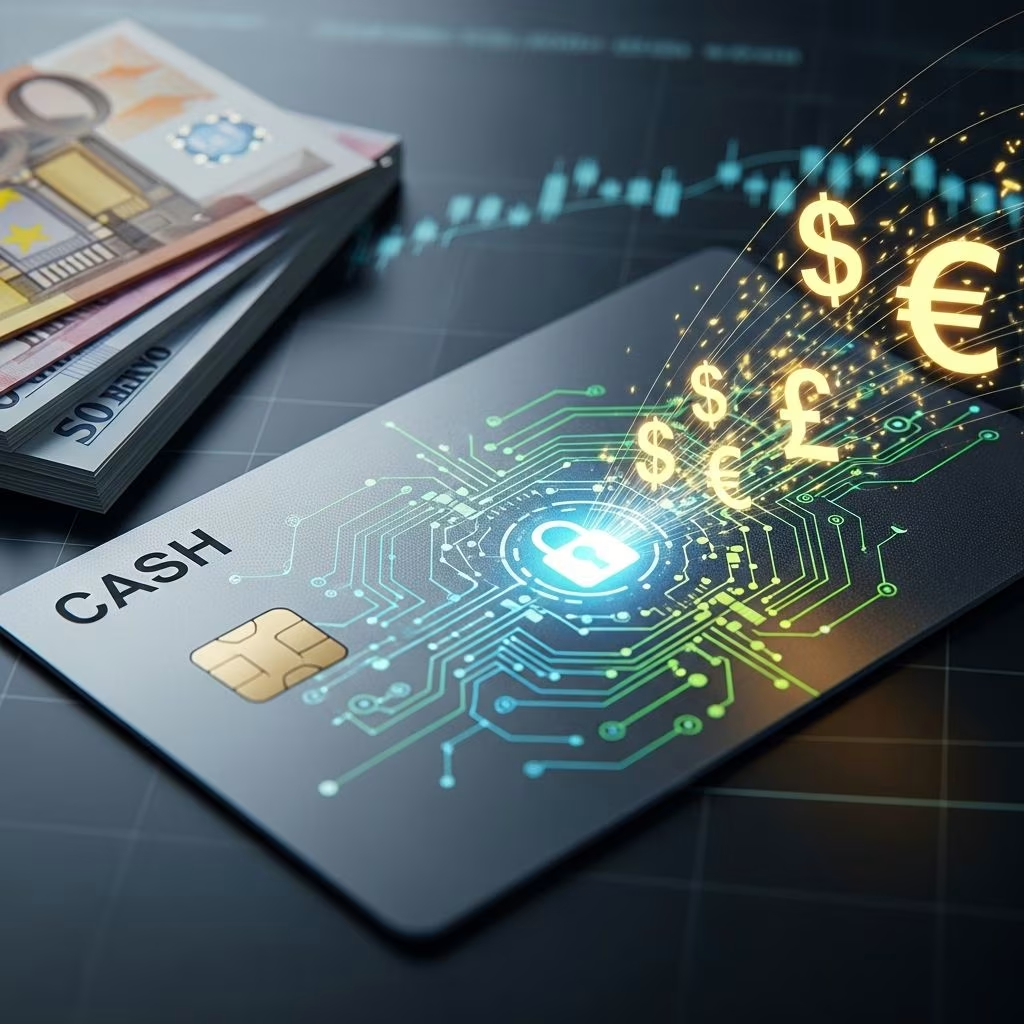
What Is a Cash Card?
A cash card is a modern financial instrument that bridges the gap between traditional banking and digital payment solutions. It is a prepaid debit card issued by financial technology companies and banks that allows users to store, manage, and spend money electronically. Unlike traditional credit cards, cash cards do not extend credit to users; instead, they function as digital wallets backed by actual funds deposited by the cardholder. This innovative payment method has gained significant traction among consumers seeking convenient, accessible, and transparent financial services without the complexities of traditional banking products.
Cash cards represent a fundamental shift in how consumers interact with their money. They combine the convenience of traditional debit cards with the flexibility and technology of modern fintech platforms. Users can load funds onto their cash card, either through direct deposit, bank transfers, or other funding methods, and then use the card for purchases, withdrawals, and online transactions. The primary advantage of a cash card is that it operates without requiring a traditional bank account, making it an accessible option for unbanked and underbanked populations.
How Cash Cards Work
Cash cards operate through a straightforward process that emphasizes user control and transparency. When a consumer opens a cash card account with a fintech provider or bank, they receive a physical card and access to a digital platform where they can manage their account. The fundamental mechanics of a cash card involve several key steps:
- Account Creation: Users download an application or visit a website to create an account, providing necessary personal and financial information for identity verification and compliance purposes.
- Fund Loading: Customers load money onto their cash card through various methods, including direct deposit from an employer, ACH transfers from another bank account, or mobile check deposit features.
- Transaction Processing: Once funds are loaded, users can make purchases at retailers, withdraw cash from ATMs, or make online transactions just like a traditional debit card.
- Real-Time Tracking: Most cash card platforms provide real-time notifications and account updates, allowing users to monitor their spending and account balance instantly.
- Fund Settlement: Transactions typically settle within one to three business days, and users maintain full ownership of their funds throughout the process.
The underlying technology that powers cash cards includes secure encryption, tokenization, and compliance with payment card industry standards. These security measures ensure that user data remains protected and transactions are processed safely. The digital-first approach of most cash card providers means that account management occurs primarily through mobile applications and online platforms, reducing the need for physical bank branches.
Key Features of Cash Cards
Modern cash cards offer a range of features designed to meet the needs of digital-savvy consumers. Understanding these features can help potential users determine whether a cash card aligns with their financial preferences and lifestyle.
Digital Account Management
Cash card providers typically offer comprehensive digital platforms that allow users to manage their accounts entirely through mobile applications or web browsers. This digital-first approach provides convenience and accessibility, enabling users to check balances, review transaction history, set spending limits, and manage their finances on demand.
Direct Deposit Integration
Many cash card accounts accept direct deposit, allowing employers to transfer employee paychecks directly to the cash card account. This feature eliminates the need for separate bank accounts and can expedite access to earned income, with some providers offering early direct deposit capabilities.
ATM Access
Cash card users typically have access to extensive ATM networks, enabling them to withdraw cash without fees at partner locations. Some providers offer fee-free access to thousands of ATMs nationwide, while others may charge fees for out-of-network withdrawals.
Budgeting and Spending Tools
Advanced cash card platforms often include budgeting features, spending categories, financial insights, and goal-setting tools. These features help users track their spending patterns and maintain better control over their finances.
Bill Payment Capabilities
Most cash card accounts allow users to pay bills through the platform, either by transferring funds to other accounts or by setting up automatic payments for recurring expenses.
Advantages of Using a Cash Card
Cash cards offer several distinct advantages that appeal to modern consumers seeking flexible and accessible payment solutions:
- Accessibility: Cash cards are available to individuals without traditional bank accounts or credit history, making them inclusive financial tools for underserved populations.
- No Credit Required: Unlike credit cards, cash cards do not require credit checks or credit history, eliminating barriers for those with poor or no credit scores.
- Transparency: Users maintain complete visibility into their spending and account activity, with real-time notifications preventing overdrafts and unexpected charges.
- Affordability: Many cash card providers charge lower fees than traditional banks, with minimal or no monthly maintenance fees, overdraft fees, or foreign transaction charges depending on the provider.
- Security: Cash cards employ modern security measures, including encryption, fraud protection, and the ability to freeze or lock cards instantly through mobile applications.
- Convenience: Digital management, mobile payment capabilities, and widespread merchant acceptance provide unparalleled convenience in managing daily finances.
- Financial Flexibility: Users can fund their cash cards through multiple methods and access their money instantly when needed.
Disadvantages and Limitations
While cash cards offer numerous benefits, potential users should also consider several limitations and drawbacks:
- No Credit Building: Cash card transactions do not contribute to credit score development, limiting their utility for users seeking to build or improve their credit history.
- Limited Consumer Protections: Cash cards may offer fewer consumer protections than traditional checking accounts, particularly regarding unauthorized transactions and dispute resolution.
- Fee Structures: Although generally affordable, some cash card providers may charge fees for specific services, including out-of-network ATM withdrawals, expedited transfers, or international transactions.
- No Interest Earnings: Unlike high-yield savings accounts, cash cards typically do not pay interest on stored balances, meaning money does not grow over time.
- Regulatory Considerations: Depending on the provider and account type, cash card accounts may not be covered by FDIC insurance, leaving funds vulnerable in case of provider failure.
- Limited Features: Cash cards lack features available with traditional checking accounts, such as overdraft protection or checkbook services.
Cash Cards vs. Traditional Debit Cards
While cash cards and traditional debit cards serve similar functions, important differences distinguish them:
| Feature | Cash Card | Traditional Debit Card |
|---|---|---|
| Bank Account Required | No | Yes |
| Credit Requirements | None | Generally none |
| Digital Management | Primary | Secondary |
| Monthly Fees | Minimal/None | Variable |
| FDIC Insurance | May not apply | Generally applies |
| Credit Building | No | No |
Who Should Consider a Cash Card?
Cash cards are particularly suitable for specific consumer segments:
- Unbanked and Underbanked Individuals: Those without access to traditional banking services or with limited banking options can benefit from cash cards’ accessibility and ease of use.
- Young Adults: Individuals establishing financial independence often find cash cards’ digital-first approach and transparent fee structures appealing.
- Gig Workers: Freelancers and gig economy participants appreciate cash cards’ flexibility in fund management and quick access to earnings.
- Budget-Conscious Consumers: People seeking to avoid excessive banking fees find cash cards’ affordable pricing attractive.
- Digital-Native Users: Consumers comfortable with mobile-first financial management prefer cash cards’ technology-driven platforms.
- Individuals with Poor Credit: Those seeking payment options without credit requirements can use cash cards without facing rejection or high fees.
Security Considerations
Cash card security depends on both provider-side protections and user behavior. Modern cash card providers implement advanced security measures including encryption, fraud monitoring, and real-time alerts. Users should protect their accounts by maintaining strong passwords, enabling two-factor authentication, monitoring account activity regularly, and reporting suspicious transactions promptly. Most reputable cash card providers offer fraud protection and dispute resolution processes similar to traditional banks, though coverage may vary by provider.
Frequently Asked Questions
Q: Are cash cards safe to use?
A: Yes, cash cards are generally safe when provided by reputable fintech companies and banks. They employ encryption, fraud monitoring, and security protocols. However, verify that your provider maintains appropriate insurance and regulatory compliance before opening an account.
Q: Can I build credit with a cash card?
A: No, cash card transactions do not report to credit bureaus and do not contribute to credit score development. To build credit, you would need to use credit-building products such as secured credit cards or credit-builder loans.
Q: What happens if my cash card provider goes out of business?
A: This depends on your provider’s banking partnerships and FDIC insurance coverage. Funds in FDIC-insured accounts are protected up to $250,000. Review your provider’s terms to understand how your funds are protected.
Q: Can I use a cash card internationally?
A: Most cash cards can be used internationally at merchants and ATMs, though foreign transaction fees may apply. Check with your specific provider regarding international capabilities and associated fees before traveling.
Q: How quickly can I access funds on a cash card?
A: Fund access depends on the deposit method. Direct deposits typically appear within one to two business days, while mobile check deposits may take three to five business days. ATM withdrawals are generally immediate.
Q: Are there age restrictions for opening a cash card account?
A: Most cash card providers require users to be at least 18 years old, though some offer accounts for younger users with parental consent or guardianship. Verify your provider’s age requirements before applying.
The Future of Cash Cards
The cash card market continues to evolve as financial technology advances and consumer preferences shift toward digital banking solutions. Future developments may include enhanced integration with cryptocurrency and blockchain technology, expanded reward programs, more sophisticated budgeting tools powered by artificial intelligence, and increased partnerships with employers and merchants. As traditional banks recognize the demand for accessible, affordable financial services, they increasingly compete in the cash card space, likely driving innovation and competitive pricing that benefits consumers.
Conclusion
Cash cards represent a significant innovation in financial services, providing accessible, affordable, and flexible alternatives to traditional banking products. By combining the functionality of prepaid debit cards with modern fintech platforms, cash cards empower consumers to manage their finances on their own terms. While they offer substantial advantages for specific consumer segments—particularly those without traditional banking access—potential users should carefully consider the limitations, including lack of credit-building opportunities and variable consumer protections. As the financial landscape continues to evolve, cash cards will likely play an increasingly important role in democratizing access to financial services and meeting the diverse needs of modern consumers.
References
- Consumer Financial Protection Bureau (CFPB): Prepaid Card Disclosure Requirements — Consumer Financial Protection Bureau. Updated 2024. https://www.consumerfinance.gov/regulatory-implementation/regulations/1005/
- Federal Reserve: Changes to the Payment System — Board of Governors of the Federal Reserve System. 2024. https://www.federalreserve.gov/paymentsystems/default.htm
- FDIC: Insurance Coverage for Deposit Accounts — Federal Deposit Insurance Corporation. Updated November 2024. https://www.fdic.gov/resources/deposit-insurance/
- National Conference of State Legislatures: Financial Inclusion and Fintech — NCSL. 2023. https://www.ncsl.org/
- Payment Card Industry Data Security Standard (PCI DSS) — PCI Security Standards Council. Version 4.0, 2024. https://www.pcisecuritystandards.org/
This article is general information, not personal financial advice. Consider your own situation, or speak with a licensed adviser, before acting on it.


