

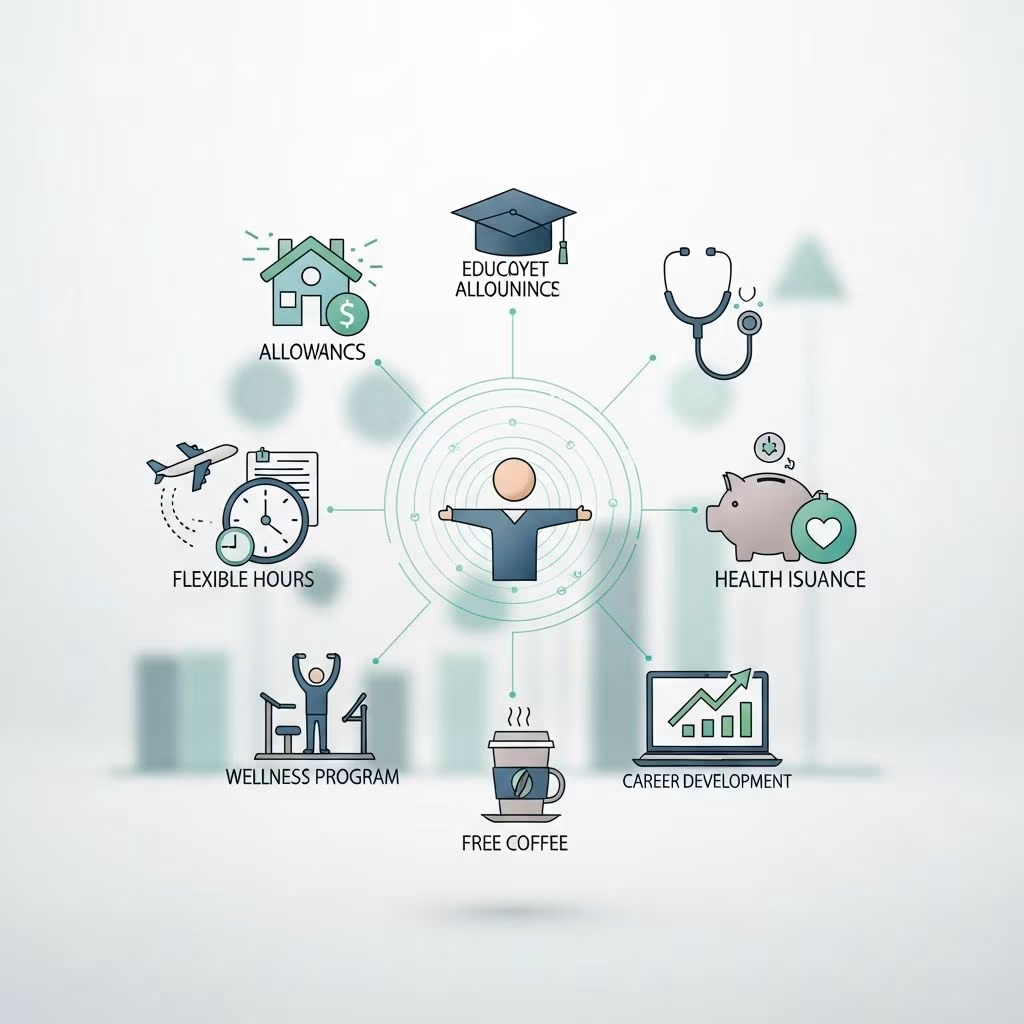
Understanding Employee Benefits and Perks
Employee benefits and perks form a crucial part of any comprehensive compensation package. Beyond base salary, these offerings help employers attract and retain top talent while supporting employee well-being and financial security. A well-structured benefits program demonstrates organizational commitment to employee welfare and can significantly impact job satisfaction, productivity, and company loyalty.
Benefits serve multiple purposes in the modern workplace. They provide employees with financial protection, health support, and opportunities for growth, while helping employers create a competitive edge in recruiting qualified candidates. Understanding the different types of benefits available allows both employers and employees to make informed decisions about compensation packages that work best for their needs.
Seven Main Categories of Employee Benefits
Employee benefits typically fall into seven primary categories, each addressing different aspects of employee needs and organizational goals:
1. Financial and Retirement Benefits
Financial and retirement benefits contribute to employees’ long-term financial security and retirement readiness. These benefits help employees build wealth and prepare for life after work, offering peace of mind about their financial future.
- 401(k) Plans: Employer-sponsored retirement savings accounts where employees can contribute pre-tax income, often with employer matching contributions
- Pension Plans: Defined benefit plans that provide predetermined monthly payments after retirement based on years of service and salary
- Stock Options: Opportunities for employees to purchase company stock, often at discounted rates
- Bonuses: Performance-based, commission-based, or sign-on bonuses providing additional compensation beyond regular salary
- Profit-Sharing Plans: Programs that distribute company profits to eligible employees
2. Insurance and Protection Benefits
Insurance benefits provide essential financial and health protection for employees and their families, safeguarding against unexpected medical expenses and income loss.
- Health Insurance: Medical, dental, and vision coverage to address healthcare needs
- Life Insurance: Coverage that provides financial protection to employee beneficiaries in case of death
- Disability Insurance: Short-term and long-term coverage replacing lost income due to illness or injury
- Workers’ Compensation: Mandated coverage for employees injured or becoming ill during job duties
- COBRA: Continuation of health insurance coverage after employment ends
3. Time Off and Leave Benefits
Time off benefits allow employees to take paid or unpaid leave for rest, family needs, and personal matters, supporting work-life balance and employee well-being.
- Vacation Days: Paid time off for personal travel, relaxation, or leisure activities
- Sick Leave: Paid time off for illness or medical appointments
- Personal Days: Flexible days off for personal needs or emergencies
- Paid Holidays: Company-designated holidays when employees receive paid leave
- Parental Leave: Paid or unpaid leave for new parents bonding with children
- Bereavement Leave: Time off to handle death of family members
4. Health and Wellness Benefits
Health and wellness benefits promote healthy habits and provide resources for physical and mental health support. These programs demonstrate employer investment in holistic employee well-being.
- Fitness Memberships: Full or partial reimbursement for gym memberships or fitness classes
- Mental Health Services: Access to counseling, therapy, and mental health resources
- Wellness Programs: Yoga classes, meditation sessions, and stress management workshops
- Nutrition Counseling: Access to dietitians for dietary guidance and health management
- Preventive Care: Regular health screenings and vaccinations
- Employee Assistance Programs (EAP): Confidential counseling and referral services for personal or work-related issues
5. Professional Development Benefits
Professional development benefits create opportunities for employees to learn new skills, advance their careers, and increase their value in the workplace.
- Tuition Assistance: Employer funding for educational courses and degree programs
- Conference Attendance: Coverage for industry conferences and professional events
- Online Courses and Certifications: Access to learning platforms and certification programs
- Mentorship Programs: Structured guidance from experienced professionals
- In-House Training: Internal workshops and skill-building sessions
- Learning and Development Stipends: Annual budgets for employee-chosen professional growth activities
6. Social Impact Benefits
Social impact benefits help employees contribute to meaningful causes and communities, strengthening corporate social responsibility initiatives and employee engagement.
- Volunteer Time Off: Paid time to participate in community service activities
- Charitable Giving Programs: Employer matching of employee charitable donations
- Community Service Opportunities: Organized volunteer activities and partnerships
- Environmental Initiatives: Programs supporting sustainability and environmental causes
7. Workplace Flexibility Benefits
Workplace flexibility benefits create adaptable work environments that accommodate diverse employee needs and support better work-life balance.
- Remote Work Options: Ability to work from home or alternative locations
- Flexible Schedules: Non-traditional work hours and compressed workweeks
- Hybrid Work: Combination of office and remote work arrangements
- Summer Fridays: Shorter hours or full days off during summer months
- Job Sharing: Two employees sharing one full-time position
Mandatory vs. Voluntary Benefits
Understanding the difference between legally required and voluntary benefits helps employers build comprehensive packages and employees understand their full compensation.
Mandatory Benefits
Mandatory benefits are legally required by federal and state governments. These non-negotiable offerings protect employees and provide essential support:
- Social Security: Federal program providing retirement, disability, and survivor benefits
- Medicare: Federal healthcare program for individuals 65 and older or those with disabilities
- Workers’ Compensation: Insurance covering workplace injuries and illnesses
- Unemployment Insurance: Benefits for workers who lose employment through no fault of their own
Voluntary and Supplemental Benefits
Voluntary benefits go beyond legal requirements, offering additional protection and value:
- Accident Insurance: Coverage for unexpected accidents and injuries
- Critical Illness Insurance: Financial support if employee contracts serious illness
- Flexible Spending Accounts (FSAs): Pre-tax accounts for healthcare and dependent care expenses
- Health Savings Accounts (HSAs): Tax-advantaged accounts for medical expenses
Lifestyle and Fringe Benefits
Lifestyle perks enhance daily employee experiences and demonstrate organizational care beyond core compensation.
Common Lifestyle Perks
These non-traditional benefits boost morale and job satisfaction while providing tangible value:
- Free Meals or Snacks: On-site food offerings promoting bonding and saving employee money
- Commuter Benefits: Transit passes, parking reimbursements, or bike-sharing program subsidies
- Employee Discounts: Discounts on company products or partner business offerings
- Pet Insurance: Coverage for employee pets’ medical expenses
- Home Office Stipends: Reimbursement for home office equipment and setup
- Relocation Assistance: Coverage for moving expenses, housing, and transportation
- Family Planning Benefits: Fertility treatment support and adoption assistance
- Student Loan Repayment: Employer assistance paying down educational debt
Emerging and Unique Benefits Trends
Modern employers increasingly offer innovative benefits to attract and retain talent in competitive markets:
- Paid Sabbaticals: Extended time off for rest, travel, or personal projects
- Fertility and Reproductive Health: Comprehensive family planning support
- Mental Health Focus: Expanded counseling and mental wellness resources
- Personalized Benefits: Employees choosing benefits matching their individual needs
- Caregiving Support: Assistance with elderly parent care or childcare
Benefits Comparison Table
| Benefit Category | Type of Benefit | Primary Benefit | Employer Responsibility |
|---|---|---|---|
| Financial/Retirement | 401(k) with matching | Long-term wealth building | Matching contributions |
| Insurance | Health insurance | Medical expense coverage | Premium cost sharing |
| Time Off | Paid vacation | Rest and recovery | Paid leave accrual |
| Health/Wellness | Gym membership | Fitness and health support | Membership reimbursement |
| Professional Development | Tuition assistance | Career advancement | Education funding |
| Workplace Flexibility | Remote work | Work-life balance | Infrastructure support |
Best Practices for Benefits Implementation
Successful benefits programs require thoughtful planning and communication. Here are key implementation strategies:
Assessment and Planning
Before establishing or revising benefits, conduct employee surveys to understand needs and preferences. Consider industry standards, competitor offerings, and budget constraints. A well-planned benefits strategy aligns with organizational goals while addressing diverse employee needs.
Communication and Education
Clear communication about available benefits is essential. Many employees don’t fully utilize benefits due to lack of understanding. Provide comprehensive orientation, written materials, and regular reminders about benefit options, enrollment periods, and usage guidelines.
Regular Review and Updates
Market conditions and employee needs change constantly. Review benefits packages annually, gathering feedback and adjusting offerings to remain competitive and relevant. Consider emerging trends and evolving workforce demographics.
Technology Integration
Implement benefits administration systems that simplify enrollment, tracking, and access. Digital platforms make it easier for employees to understand, select, and manage their benefits.
Frequently Asked Questions
Q: What are the most common employee benefits?
A: The most common benefits include health insurance, retirement savings plans (401k), paid time off, and life insurance. Additional popular offerings include dental and vision coverage, disability insurance, and wellness programs. These core benefits form the foundation of most comprehensive benefits packages.
Q: Are employee benefits required by law?
A: Some benefits are legally mandated, including Social Security contributions, Medicare payroll taxes, workers’ compensation insurance, and unemployment insurance. However, many benefits like health insurance and paid time off are voluntary offerings that employers provide to remain competitive and support employee retention.
Q: How do retirement benefits like 401(k)s work?
A: A 401(k) is an employer-sponsored retirement plan allowing employees to contribute pre-tax earnings to an investment account. Many employers match employee contributions up to a certain percentage, providing additional retirement savings. Funds grow tax-deferred until withdrawal in retirement.
Q: What is the difference between health insurance and health savings accounts?
A: Health insurance covers medical expenses and preventive care. Health Savings Accounts (HSAs) are tax-advantaged accounts that employees use to set aside funds specifically for eligible medical expenses. HSAs are typically paired with high-deductible health plans and offer triple tax advantages.
Q: How can employers make benefits more attractive to younger employees?
A: Younger employees often prioritize student loan repayment assistance, flexible work arrangements, professional development opportunities, and mental health resources. Offering personalized benefits packages, remote work options, and clear career development paths helps attract this demographic.
Q: What workplace flexibility options are most valued by employees?
A: Remote work options, flexible schedules, hybrid work arrangements, and compressed workweeks rank among the most valued flexibility benefits. These arrangements support work-life balance and are increasingly expected by today’s workforce, particularly following pandemic-driven workplace changes.
Q: How do wellness programs benefit both employees and employers?
A: Wellness programs help employees maintain better physical and mental health, leading to fewer sick days and improved productivity. For employers, these programs can reduce healthcare costs, improve employee morale, enhance company culture, and demonstrate commitment to employee well-being, ultimately improving retention rates.
Q: What is the difference between fringe benefits and core benefits?
A: Core benefits are fundamental offerings like health insurance, retirement plans, and paid time off that most employers provide. Fringe benefits are additional perks like gym memberships, commuter benefits, employee discounts, and free meals that enhance the overall compensation package but aren’t essential.
References
- Employee Benefits: A Guide for 2025 — Zendesk. 2025. https://www.zendesk.com/blog/employee-benefits/
- Types of Employee Benefits: A Comprehensive Breakdown — AEIS Advisors. https://www.aeisadvisors.com/types-of-employee-benefits-a-comprehensive-breakdown
- 40 Types of Employee Benefits Every Company Should Know — Thatch. https://thatch.com/blog/types-of-employee-benefits
- Employee Benefits Explained: Types, Examples, and Trends — Picnic. https://trypicnic.com/blog/toolkit/what-are-employee-benefits
- Best Employee Perks and Benefits: Your Guide for 2026 — Robert Half. 2025. https://www.roberthalf.com/us/en/insights/research/best-employee-benefits-and-perks
This article is general information, not personal financial advice. Consider your own situation, or speak with a licensed adviser, before acting on it.


