

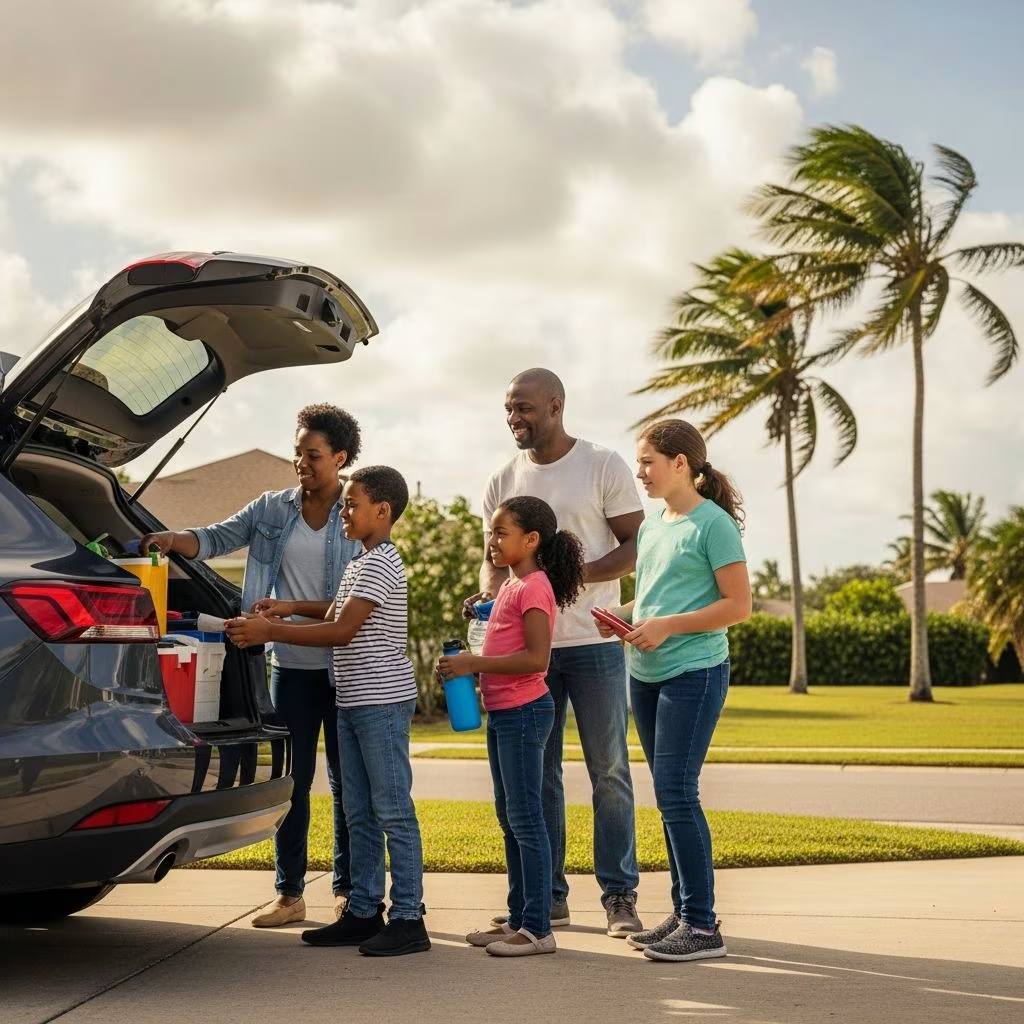
Hurricane evacuation can be a costly necessity for residents in storm-prone areas like Florida, Texas, and the Gulf Coast. With hotel prices surging and gas costs adding up, preparation is key to staying safe without breaking the bank. This guide draws from official recommendations by the National Weather Service and FEMA to help you plan ahead, pack smart, and decide whether to evacuate or shelter in place.
Hurricane Evacuation Preparedness
Living in hurricane-vulnerable regions requires proactive steps. The National Weather Service urges residents to identify their evacuation zone, map primary and alternate routes, prepare a go-bag, and plan for pets well before storm season. Early familiarity prevents panic during warnings.
Know Your Evacuation Plan
Each state provides specific maps and guides. For instance, Florida offers online tools to locate evacuation zones and routes, which may update annually based on new flood data. Print or save these digitally, share with family, and store in accessible spots like the fridge or phones. Practice routes to avoid traffic jams during mass evacuations.
- Visit state emergency management websites (e.g., FloridaDisaster.org).
- Identify zones A-C (highest risk near coast) versus inland areas.
- Plan for traffic: Leave 48-72 hours early if possible.
- Include pet-friendly stops and fuel stations along routes.
Pack a Hurricane Evacuation Kit
FEMA advises assembling a kit now for instant grab-and-go. Focus on 72 hours of essentials to cover delays. Budget tip: Buy generics at dollar stores and rotate stock to avoid waste.
| Category | Items | Budget Tips |
|---|---|---|
| Water & Food | 1 gallon/person/day (3 days min); non-perishables like bars, nuts | Stock up during sales; use mylar bags for freshness |
| Light & Power | Flashlight, hand-crank radio, batteries, phone charger | Hand-crank models ($10-20) eliminate battery needs |
| Health & Hygiene | First-aid kit, meds (7-day supply), sanitation items | DIY kit with dollar store basics; copy prescriptions |
| Documents | ID, passport, insurance, medical records (waterproof copies) | Scan to cloud; laminate hard copies |
Customize for family: Baby formula, pet food, diapers. Add cash ($100-200 in small bills) as ATMs fail.
Listen for Evacuation Orders
Monitor NOAA radio, apps like FEMA or local alerts. Voluntary evacuations allow early exits; mandatory ones are non-negotiable. Assess home: Modern builds with shutters withstand winds; avoid surge zones. Sheltering saves resources for higher-risk folks.
- Signs to leave: Storm surge warnings, Category 3+ approaching.
- Stay if inland, elevated home, supplies ready—but monitor updates.
Find a Hurricane Shelter
Coastal cities designate schools, churches as shelters. Use Red Cross shelter finder for pet-friendly options—call ahead. No transport? Dial non-emergency lines for buses or rides. Evacuate early to secure spots.
Pro tip: Pre-register vulnerable family (elderly, disabled) for priority aid.
Shelter in Place
If evacuation isn’t feasible financially or logistically, fortify home—but only if outside surge zones. Stock for 14 days per FEMA.
Gather Supplies
Prioritize water (1 gal/person/day x14), non-perishables (jerky, PB&J—no cooking needed), meds, radio. Double evacuation kit for this scenario. Coastal tip: Pre-stock bottled water year-round.
- Food: 2,000 calories/person/day; include fruits like apples for variety.
- Extras: Manual can opener, trash bags for sanitation.
Prep Your Home
Clear yard debris to prevent missiles. Park car in garage or under cover; follow car checklists like full tank, emergency kit onboard. Board windows with plywood ($20/sheet), shut off power at breaker pre-storm.
Car prep: Check tires, wipers, battery; add flares, jumper cables.
Get into a Safe Position
In multi-story homes, head to top floor away from windows. Ideal: Interior room or closet. Post-storm, await all-clear before exiting—stay tuned to radio for tornado warnings.
Budget Tips for Hurricane Kits
Building kits affordably mirrors general emergency prep. Red Cross basics: Water, food, batteries, meds. Tailor to needs—homeowners add chainsaws; families stock toys.
- Prep Free: Gather chargers, maps, cash from home.
- Food Hacks: Buy bulk rice/beans; rotate into meals.
- Cheap Buys: Dollar store bandages, games; coupons at Walmart.
- Documents: Waterproof pouch for IDs, titles, photos.
- Contacts: Notebook with numbers, FEMA site.
Frequently Asked Questions (FAQs)
What should be in a basic hurricane go-bag?
A: FEMA essentials: Water, food, flashlight, first-aid, meds, documents, cash. Aim for 72 hours; under 50 lbs for easy carry.
Can I bring pets to shelters?
A: Many Red Cross sites allow service animals and pets—verify via finder tool. Pack leashes, food, carriers.
How much water for sheltering in place?
A: 1 gallon per person per day for 14 days, per FEMA. Includes drinking, hygiene.
When to ignore evacuation and shelter?
A: Only if outside surge zone, home sturdy, supplies ample. Prioritize official orders.
Cost to build a kit on budget?
A: $50-100 using sales, generics. Spread purchases over months.
Additional Savings Strategies
Evacuations spike costs: Gas ($50-200/trip), hotels ($200+/night). Mitigate with:
- Stay with family inland.
- Off-season hotel deals via apps.
- Gas up pre-surge; apps track cheapest stations.
- Insurance claims for post-storm needs.
Long-term: Elevate valuables, install shutters for fewer evacuations.
References
- Hurricane Evacuation Guide — The Penny Hoarder. 2023. https://www.thepennyhoarder.com/save-money/hurricane-evacuation/
- Build an Emergency Kit on a Budget — The Penny Hoarder. 2023. https://www.thepennyhoarder.com/save-money/build-an-emergency-kit-on-a-budget/
- FEMA Hurricane Preparedness — FEMA.gov. 2025-06-01. https://www.fema.gov/emergency-managers/risk-management/hurricanes
- Ready.gov Hurricanes — Ready.gov (CISA). 2025-08-15. https://www.ready.gov/hurricanes
- National Hurricane Center Evacuation Info — NOAA NHC. 2025-09-10. https://www.nhc.noaa.gov/prepare/evacuate.php
This article is general information, not personal financial advice. Consider your own situation, or speak with a licensed adviser, before acting on it.


