

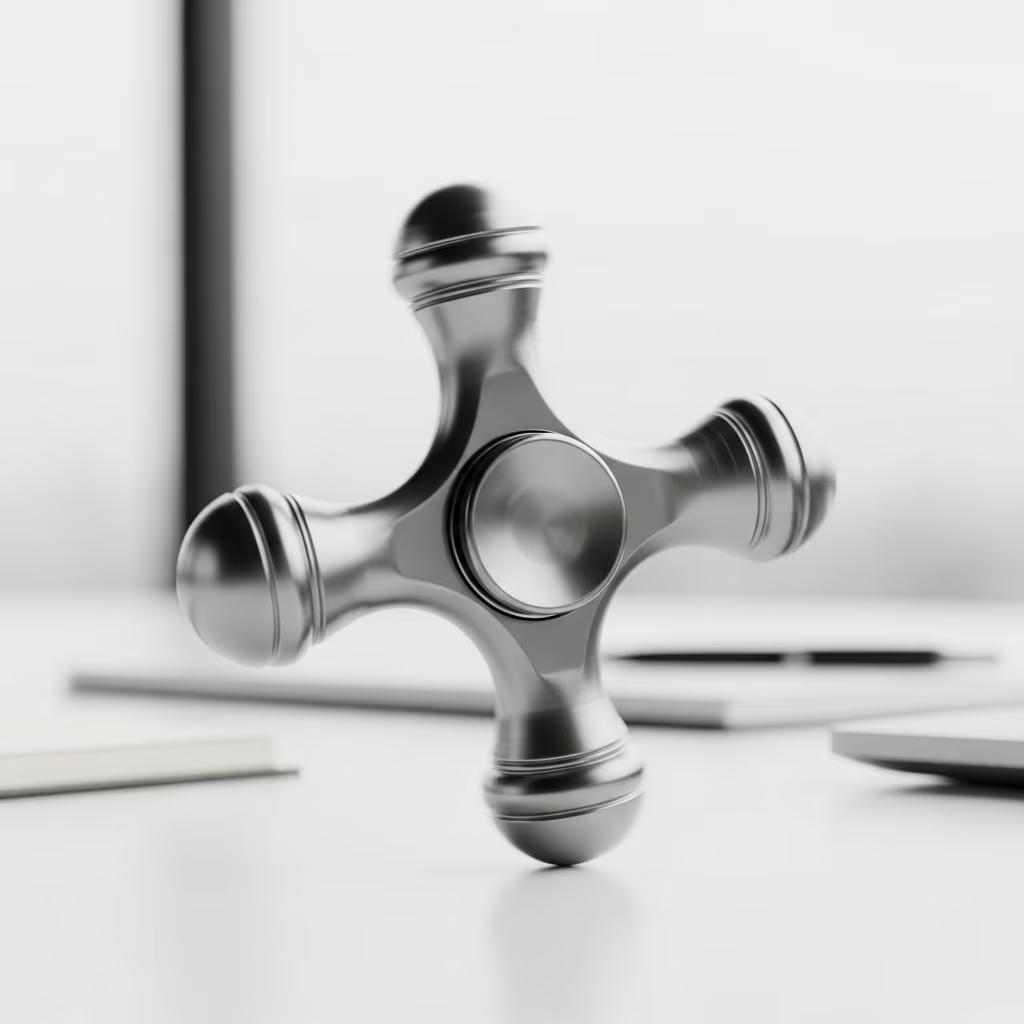
Fidget Spinners: What You Need to Know
Fidget spinners emerged as one of the most talked-about toy trends of recent years, capturing the attention of children and adults alike. These small, handheld devices have sparked conversations about focus, stress relief, and their actual benefits. Whether you’re a curious parent, an educator concerned about classroom distractions, or simply someone interested in understanding this cultural phenomenon, this comprehensive guide covers everything you need to know about fidget spinners.
What Exactly Are Fidget Spinners?
A fidget spinner is a small, typically three-pronged device designed to spin rapidly when flicked or rotated by hand. The basic design consists of a central bearing mechanism surrounded by weighted arms or fins. When you apply force with your fingers, the spinner rotates smoothly around its axis, creating a satisfying tactile and visual experience.
The device is engineered with precision bearings that allow for extended spinning times, sometimes lasting several minutes on a single flick. Most fidget spinners are made from materials like plastic, metal, or a combination of both, and they range in size from small enough to fit in a pocket to larger novelty versions.
The appeal of fidget spinners lies in their simplicity and the sensory feedback they provide. Users engage in repeated flicking and gripping motions while experiencing fine vibrations from the spinning mechanism. This combination of physical interaction creates an engaging experience that has proven popular across age groups.
The History and Origin of Fidget Spinners
The fidget spinner phenomenon didn’t emerge overnight. The toy has an interesting backstory rooted in practical need and creative innovation. The device was originally conceptualized as a tool to help individuals manage fidgeting and improve focus during tasks requiring concentration.
The inventor of the fidget spinner developed the toy with therapeutic intentions, particularly considering its potential applications for people with attention deficit hyperactivity disorder (ADHD) and other conditions affecting concentration. However, despite the commercial success of fidget spinners, the original inventor faced an ironic situation: the patent for the device had expired before the toy achieved mainstream popularity, meaning the creator was unable to profit significantly from the global phenomenon their invention sparked.
When fidget spinners finally caught mainstream attention around 2016-2017, they rapidly became a cultural sensation. What started as a specialized tool for focus and stress management transformed into a mass-market toy phenomenon, with millions of units selling within months. The trend spread through social media, peer influence, and word-of-mouth, particularly among school-aged children.
Understanding the Science Behind Fidget Spinners
Recent neuroscience research has provided some insights into how fidget spinners engage the brain. Studies using functional magnetic resonance imaging (fMRI) technology have examined brain activity during fidget spinner use, revealing interesting patterns of neural engagement.
When individuals rotate fidget spinners, activation occurs in several brain regions associated with motor control, including the supplementary motor area (SMA), the precentral and postcentral gyrus, the middle temporal gyrus, the cerebellum, and the striatum. These activations are consistent with regions previously identified in studies of precise grip and fine motor control.
One particularly notable finding involves the relationship between spinner design and brain activity. Fidget spinners with lower eccentricity (meaning easier-to-rotate designs) produce increased activation in the supplementary motor area. This occurs because easier-to-rotate spinners may require more subtle hand movements to maintain control, engaging finer motor planning processes.
Additionally, research suggests that the caudate nucleus, part of the brain’s dopamine circuit involved in reward processing, shows increased functional connectivity with the motor planning regions during spinner use. This connection indicates that the rewarding sensory experience of fidgeting may contribute to the device’s appeal and could potentially influence attention and focus through reinforcement mechanisms.
Do Fidget Spinners Really Help With Focus and ADHD?
Despite their popularity and marketing claims, the scientific evidence supporting fidget spinners’ effectiveness for ADHD and focus improvement remains limited. Experts and psychologists have expressed skepticism about the widespread claims surrounding these devices.
While some individuals report subjective improvements in focus and reduced anxiety when using fidget spinners, peer-reviewed scientific studies demonstrating clear therapeutic benefits are scarce. The lack of rigorous clinical evidence has led many mental health professionals to caution against viewing fidget spinners as proven therapeutic tools.
The situation presents an interesting paradox: fidget spinners may provide temporary sensory stimulation and tactile feedback that some users find calming, yet this doesn’t necessarily translate to sustained improvements in attention or symptom reduction for individuals with ADHD. Additionally, in some environments like classrooms, fidget spinners have reportedly become distractions rather than focus aids, drawing attention away from educational activities.
Experts suggest that while fidget spinners might help certain individuals manage nervous energy in specific situations, they should not be considered a substitute for evidence-based ADHD treatments or therapeutic interventions. The placebo effect may play a role in reported benefits, as many users expect the spinners to help and may perceive improvements accordingly.
Stress Relief and Anxiety: What the Evidence Shows
Beyond ADHD-related claims, fidget spinners are frequently marketed as stress-relief tools. The repetitive nature of spinning and the tactile feedback could theoretically provide calming effects similar to stress balls or other fidget toys.
The sensory experience of using a fidget spinner—the smooth rotation, the subtle vibrations, and the visual feedback of the spinning motion—may offer temporary relief from anxiety for some users. However, sustained stress reduction typically requires more comprehensive strategies than simple fidget tools alone.
Mental health professionals acknowledge that fidget spinners might serve as a helpful distraction or provide momentary sensory satisfaction, but they emphasize the importance of addressing underlying anxiety through proven therapeutic methods. For individuals seeking genuine anxiety management, fidget spinners can be a supplement to established practices like mindfulness, exercise, and professional counseling, but should not replace these approaches.
Where to Buy Fidget Spinners
Despite fluctuations in popularity, fidget spinners remain available through numerous retail channels. Finding these devices is generally straightforward, whether you prefer online shopping or in-person purchases.
Online Retailers
Major e-commerce platforms host extensive selections of fidget spinners from various manufacturers. Online shopping offers advantages including convenient browsing, comparison shopping across multiple sellers, and home delivery. Popular online marketplaces typically stock dozens of variations, from basic models to specialty designs featuring LED lights, different materials, or unique shapes.
Physical Retail Stores
Toy stores, department stores, and specialty retailers often carry fidget spinners in their inventory. Shopping in physical stores allows you to examine the product before purchasing, test the spinning action, and make immediate purchases without waiting for shipping.
Specialty Fidget Shops
Dedicated fidget toy retailers, both online and brick-and-mortar, focus specifically on sensory gadgets and fidget tools. These specialized shops offer curated selections and knowledgeable staff who can provide recommendations based on your preferences.
Fidget Spinner Pricing
The cost of fidget spinners varies considerably based on design, materials, and features. Understanding the pricing spectrum helps you make informed purchasing decisions.
Budget Options
Basic fidget spinners with standard plastic construction typically cost between $3 and $8. These entry-level models provide the fundamental spinning experience without premium features.
Mid-Range Models
Fidget spinners with enhanced features, improved bearing quality, or specialty materials generally range from $10 to $20. These models often deliver better spinning performance and longer rotation times.
Premium and Specialty Spinners
High-end fidget spinners featuring premium materials like titanium, advanced bearing systems, LED lighting, or collectible designs can cost $20 to $50 or more. These premium options appeal to enthusiasts and collectors seeking superior quality or unique designs.
Prices fluctuate based on market demand, brand reputation, and availability. Shopping during off-peak periods or comparing prices across retailers can help you find better deals.
Types and Designs of Fidget Spinners
The fidget spinner market features remarkable diversity in design and functionality. Understanding different types helps you choose one suited to your preferences.
Classic Three-Pronged Spinners
The traditional design remains the most popular. These spinners feature three weighted arms around a central bearing, offering a balanced and intuitive spinning experience.
Multi-Pronged Variations
Some designs feature four, five, or more prongs, altering the weight distribution and balance characteristics. These variations provide different spinning sensations and aesthetic options.
LED Light-Up Spinners
Spinners incorporating light-emitting diodes create visual effects during rotation, adding an entertainment dimension beyond the basic spinning motion.
Material Variations
Fidget spinners are constructed from various materials including plastic, metal alloys, stainless steel, titanium, and even ceramic. Material choice affects weight, durability, and spinning characteristics.
Hybrid and Specialty Designs
Creative manufacturers have developed fidget spinners combined with other toys or tools, incorporating additional interactive elements or unique aesthetic features.
Safety Considerations for Fidget Spinners
While generally safe for appropriate ages, fidget spinners warrant some safety awareness. The Toy Association has issued guidance for consumers considering these products.
Young children may present choking hazards with small components, so age recommendations from manufacturers should be respected. Additionally, the spinning mechanism and weighted arms can cause minor injuries if used improperly or excessively. Users should avoid pointing spinners toward faces or other people and exercise caution when operating spinners at maximum speeds.
In educational settings, fidget spinners have occasionally caused disruptions or injuries, leading some schools to restrict their use. Proper supervision and clear usage guidelines help ensure safe enjoyment of these devices.
The Fidget Spinner Fad: Past Peak or Perpetual Trend?
The fidget spinner phenomenon experienced explosive growth followed by market decline, prompting financial analysts to question the toy’s lasting appeal. The trajectory of fidget spinner popularity has followed a typical product lifecycle pattern.
After achieving peak popularity around 2017, fidget spinner sales declined significantly as consumer interest shifted toward other trends. The saturation of the market, combined with declining novelty appeal, contributed to reduced demand. However, fidget spinners haven’t completely disappeared; instead, they’ve settled into a niche market of ongoing enthusiasts and remain available for purchase, albeit at lower overall sales volumes than peak periods.
Frequently Asked Questions About Fidget Spinners
Q: Are fidget spinners effective for ADHD treatment?
A: While fidget spinners are marketed for ADHD management, scientific evidence supporting their effectiveness remains limited. Experts recommend them only as potential supplements to evidence-based treatments, not replacements for professional medical care.
Q: What age group are fidget spinners appropriate for?
A: Manufacturer recommendations vary, but fidget spinners are generally recommended for ages 8 and up. Younger children may have difficulty with the fine motor control required and face choking hazards from small parts.
Q: How long should a fidget spinner spin?
A: Spinning duration depends on bearing quality and design. Basic models might spin for 30 seconds to 2 minutes, while premium models can spin for several minutes or longer on a single flick.
Q: Can fidget spinners be used in schools?
A: School policies regarding fidget spinners vary. While some educators believe they aid concentration for certain students, others view them as classroom distractions. Check with your school’s specific policies before bringing a spinner to class.
Q: How should I maintain my fidget spinner?
A: Keep your spinner clean and dry. Occasionally lubricate the bearing with a small amount of bearing oil if it begins to slow down. Store in a dry location to prevent rust or damage to mechanical components.
Q: Are expensive fidget spinners worth the extra cost?
A: Premium spinners often feature superior bearing quality, better materials, and longer spin times. Whether the extra cost is worthwhile depends on your intended use and preferences. For casual use, basic models suffice; for enthusiasts, premium options may provide better value.
Q: Can adults benefit from fidget spinners?
A: Adults can use fidget spinners for stress relief and sensory stimulation, similar to stress balls or other fidget toys. However, reliance on these devices should not replace comprehensive stress management strategies.
Conclusion
Fidget spinners represent an interesting cultural phenomenon that combines toy design, neuroscience, marketing, and consumer behavior. While they originated from genuine therapeutic intentions and have been adopted by millions worldwide, the scientific evidence supporting major health claims remains limited.
Whether you’re considering purchasing a fidget spinner for stress relief, curiosity, or collection purposes, understanding what these devices are, how they work, and what evidence actually supports their benefits helps inform your decision. Available at various price points and through multiple retail channels, fidget spinners remain accessible to anyone interested in experiencing the spinning sensation firsthand. Remember that while fidget spinners can provide temporary sensory engagement, they should not replace professional treatment for attention disorders or anxiety conditions.
References
- Cortico-striatal activity associated with fidget spinner use: an fMRI study — National Center for Biotechnology Information (NCBI). 2023. https://pmc.ncbi.nlm.nih.gov/articles/PMC10517120/
- Do Fidget Spinners Really Help With ADHD? Nope, Experts Say — Money Magazine. 2017. https://money.com/fidget-spinners-adhd-anxiety-stress/
- The Fidget Spinner Fad May Be Over — Money Magazine. 2017. https://money.com/fidget-spinner-fad-over/
- Fidget Spinners: Inventor Not Profiting Off Popular Toy — Money Magazine. 2017. https://money.com/fidget-spinners-inventor-catherine-hettinger-profits/
- 5 Articles: Fidget Spinners for Kids and Parents — Chicago Public Library. 2017. https://www.chipublib.org/blogs/post/5-articles-fidget-spinners-for-kids-and-parents/
This article is general information, not personal financial advice. Consider your own situation, or speak with a licensed adviser, before acting on it.


