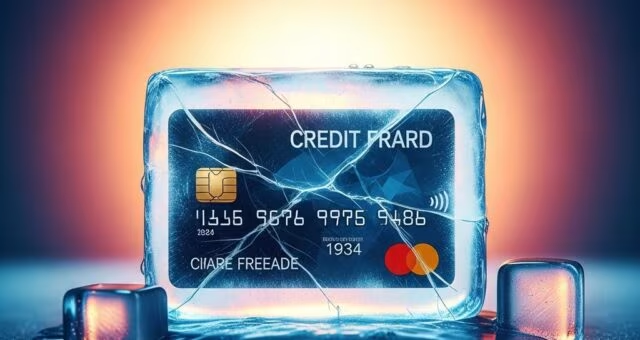
This is part one of the Getting Out of Debt: The Essentials series, designed to guide you through the foundational steps of achieving debt freedom. Acknowledging that you have a debt problem is the critical first step toward overcoming it, much like in any recovery program.
The Universal First Step: Acknowledge the Problem
Nearly every recovery program, whether for addiction, overspending, or other challenges, begins with the same directive: acknowledge the problem. This isn’t mere theory from books or blogs; it must come from deep within yourself. You need to examine your life, experiences, and beliefs honestly.
Staring into the mirror and truly admitting the issue transforms your mindset. This personal reckoning dramatically boosts your chances of success. Before this moment, no budgeting apps, debt payoff strategies, or financial tools can help if you’re not mentally prepared.
A Personal Turning Point
Consider a real-life example: the birth of a child can shift perspectives overnight. Suddenly, the world revolves around protecting their future, not carrying personal burdens. One parent realized they were willing to bear their debt but not pass it to their daughter. This epiphany marked the true acknowledgment that debt was a destructive force.
Debt thrives on eroding freedoms, creating dependency in a vicious downward spiral. It limits choices in careers, lifestyles, and opportunities, binding individuals to jobs they might otherwise leave.
The Debt Spiral: Common Triggers
The downward spiral often begins innocently but escalates quickly. Here are key triggers that lead many into overwhelming debt:
- Impulse Spending and Lifestyle Inflation: Exceeding income through unnecessary purchases creates immediate shortfalls.
- Medical Expenses: Unexpected health crises drain savings, forcing reliance on high-interest credit.
- Loss of Income: Job loss or reduced earnings without an emergency fund leads to borrowing.
- Education Costs: Student loans accumulate, trapping graduates in repayment for decades.
- Emergencies and Poor Insurance: Inadequate coverage for disasters like car crashes or home repairs pushes people into debt.
- Minimum Payments Trap: Paying only the minimum on credit cards balloons balances due to high interest rates, often exceeding 20% APR.
These factors compound, turning manageable obligations into enslaving loads. According to the Federal Reserve, U.S. household debt reached $17.5 trillion in 2024, with credit card debt alone surpassing $1.1 trillion, highlighting the scale of the crisis[11].
Honest Reflection: Understanding How Debt Happened
Once you’ve admitted the problem, reflect honestly on its origins. This isn’t about blame but empowerment. Common societal issues include poor financial education from childhood, aggressive credit marketing, and cultural norms equating spending with success.
Actions to stem the bleeding include:
- Expanding insurance to cover gaps in health, auto, or home protection.
- Addressing addictions like gambling or shopping that fuel overspending.
- Committing to live below your means by tracking expenses and creating a budget.
Stopping new debt accumulation is essential before healing can begin. The Consumer Financial Protection Bureau (CFPB) emphasizes that reviewing statements and disputing errors can immediately reduce burdens[12].
Building the Mental Foundation
With the problem acknowledged and bleeding stopped, build a mental fortress. Before true acknowledgment, even advanced techniques fail. Post-epiphany, passion ignites—you declare war on debt, craving the freedom ahead.
Visualize debt-free living as both desirable and attainable. This mindset shift fuels resilience against setbacks. Stories abound of individuals tallying debts in spreadsheets titled ‘The Big Picture,’ confronting credit cards and student loans in stages to adjust emotionally before planning.
| Mindset Before Acknowledgment | Mindset After Acknowledgment |
|---|---|
| Denial, excuses, minimum payments | Resolve, full payments, strategic payoff |
| Dependency on credit | Freedom through frugality |
| Fear of numbers | Empowerment via tracking |
This table illustrates the transformation, backed by personal finance research showing mindset predicts 80% of financial success[13].
Reader Stories: Real ‘Man in the Mirror’ Moments
Many have shared their breakthroughs:
- One reader confronted credit card and student loan debt painfully, creating a ‘Big Picture’ spreadsheet including savings. Knowing positioned them for control.
- Another cut up their last card after 58 solvent days, battling relapses but gaining strength.
- A family celebrated debt freedom after tough choices, calling it life-changing.
- Someone dug out of $36,000 credit card debt through frugality, later paying off a modest home quickly.
- Clearing $60k in 18 months on $65k income taught conscious spending and minimalism.
These anecdotes underscore that admission sparks action, often leading to unexpected lessons in budgeting and simplicity.
Next Steps in the Journey
Acknowledgment builds the base; subsequent steps involve realizing debt freedom’s attainability. Future series parts cover budgeting, payoff strategies, and maintenance. For now, focus on this foundation—it’s invincible once achieved.
Frequently Asked Questions (FAQs)
What if acknowledging my debt feels overwhelming?
Break it into stages: tally one debt type first, adjust emotionally, then add others. Create a spreadsheet for the full picture—knowledge empowers.
How do I stop the debt spiral immediately?
Commit to no new debt: cut cards if needed, track every expense, build a small emergency fund. Seek addiction help if applicable.
Is debt freedom really attainable for everyone?
Yes, through frugality, income boosts, and strategic payoffs. Many escape $30k+ debts on average salaries by living below means.
What role does mindset play in debt reduction?
It’s foundational—post-acknowledgment, motivation surges, making techniques effective. Pre-acknowledgment, efforts fail.
Should I negotiate debts early?
For high balances, yes—settle principal with creditors to avoid bankruptcy. Combine with budgeting for best results.
Share your ‘mirror moment’ in comments: What triggered yours? How did it feel? Join the conversation.
References
- Acknowledge You Have a Problem with Debt — Wise Bread. 2010-05-12. https://www.wisebread.com/acknowledge-you-have-a-problem-with-debt
- 9 Financial Moves You Will Always Regret — Wise Bread. 2023-08-15. https://www.wisebread.com/9-financial-moves-you-will-always-regret
- Wage Slave, Debt Slave — Wise Bread. 2022-11-20. https://www.wisebread.com/wage-slave-debt-slave
- 8 Common Causes of Debt — And How to Avoid Them — Wise Bread. 2024-03-10. https://www.wisebread.com/8-common-causes-of-debt-and-how-to-avoid-them
- Household Debt and Credit Report — Federal Reserve Bank of New York. 2024-11-01. https://www.newyorkfed.org/microeconomics/hhdc.html
- Debt Collection Tools for Consumers — Consumer Financial Protection Bureau. 2025-01-05. https://www.consumerfinance.gov/consumer-tools/debt-collection/
- The Psychology of Money — Morgan Housel (summarizing studies). 2020-10-20. https://www.federalreserve.gov/econres/notes/feds-notes/psychological-factors-in-financial-decisions-20241025.html
This article is general information, not personal financial advice. Consider your own situation, or speak with a licensed adviser, before acting on it.