

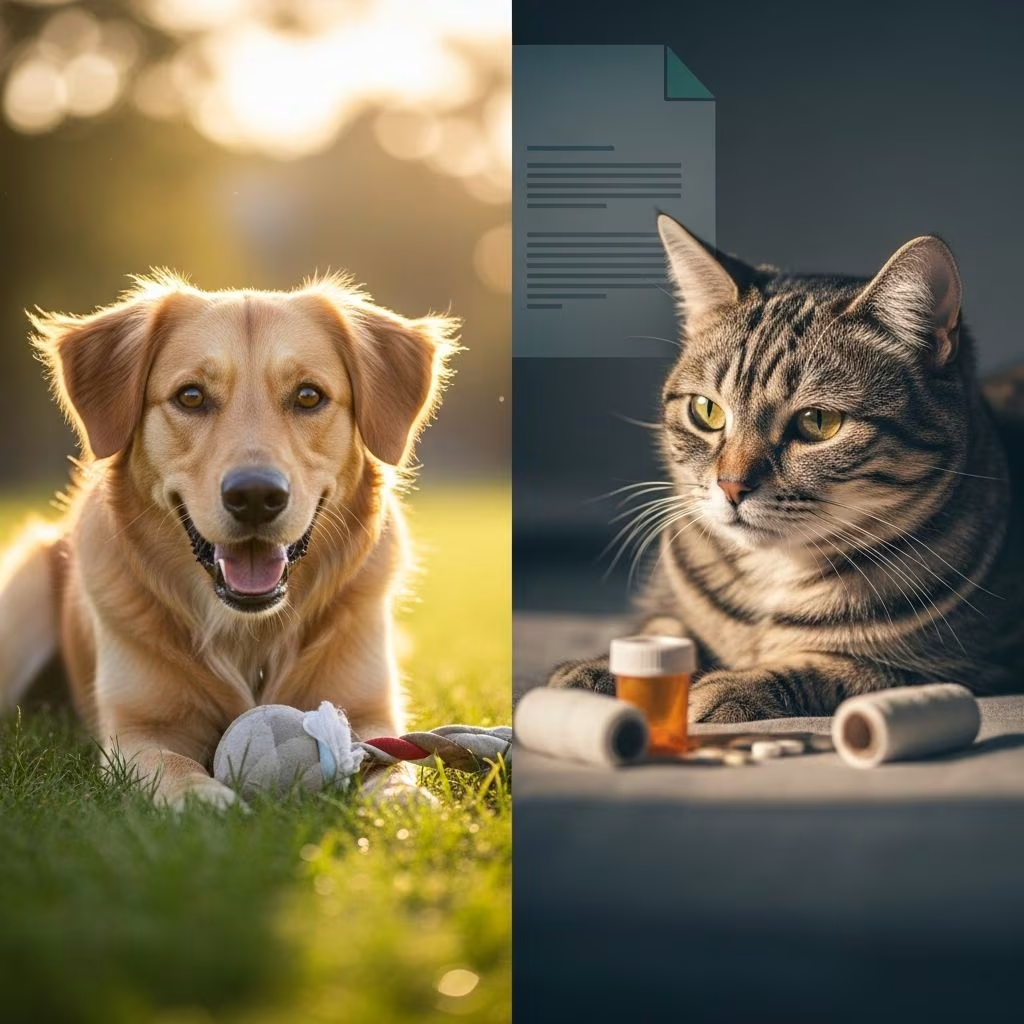
Pet insurance can be a powerful way to protect your budget against unexpected vet bills, but it gets complicated when your dog or cat already has a medical issue. Understanding how pre-existing conditions are defined and treated by insurers will help you avoid surprises when you file a claim and choose a policy that fits your pet’s health profile and your finances.
This guide explains what counts as a pre-existing condition, why most plans exclude them, how some companies still offer partial help, and what you can realistically expect if your pet already has ongoing health problems.
What Is a Pre-Existing Condition in Pet Insurance?
In pet insurance, a pre-existing condition is typically any illness, injury, or symptom that appears before your policy starts or during the waiting period, even if it has not yet been formally diagnosed by a veterinarian.
Insurers often look at your pet’s veterinary records and may require an exam when you enroll or shortly afterward to identify these issues. If there is any sign that a problem existed before coverage began, they can classify it as pre-existing.
Common examples of pre-existing conditions
- Allergies or recurring skin infections
- Arthritis or other chronic joint disease
- Heart disease or congenital heart defects
- Chronic ear infections
- Endocrine disorders such as diabetes or hypothyroidism
- Chronic gastrointestinal issues, such as inflammatory bowel disease
- Cancer or tumors
- Orthopedic issues like hip dysplasia or cruciate ligament disease
Pre-existing symptoms vs. diagnosed conditions
Most companies treat symptoms the same as diagnosed conditions. If your dog had limping, vomiting, or skin itchiness documented before coverage began, a later diagnosis connected to those signs can be labeled pre-existing, even if the name of the disease was unknown at the time.
Why Most Pet Insurance Plans Exclude Pre-Existing Conditions
Insurance is designed to cover unforeseen future risks, not medical issues that are already in progress. Covering established or highly likely expenses would make premiums far higher for everyone.
Insurers also want to reduce “adverse selection”—people buying coverage only after a serious diagnosis. By excluding pre-existing conditions, companies encourage owners to enroll pets early, before any long-term health problems arise.
How this affects your coverage
- Conditions your pet already has will usually not be reimbursed.
- New illnesses or accidents unrelated to any pre-existing issue can still be covered.
- Some providers reconsider curable conditions after a set healthy period.
Curable vs. Incurable Pre-Existing Conditions
Many pet insurers distinguish between conditions that are considered curable and those thought to be incurable or lifelong.
| Type of condition | Typical examples | How insurers often treat it |
|---|---|---|
| Curable pre-existing conditions | Respiratory infections, urinary tract infections, short-term vomiting or diarrhea, kennel cough, minor skin infections | Some insurers may cover future episodes if the pet is symptom- and treatment-free for a specified period (e.g., 6–12 months). |
| Incurable pre-existing conditions | Diabetes, chronic kidney disease, arthritis, hip dysplasia, many heart diseases, chronic allergies, cancer | Often excluded for the life of the policy. A few insurers may cover them after a long waiting period of continuous coverage. |
Curable pre-existing conditions
Some companies will eventually cover a condition that is considered curable if your pet has no symptoms and no treatment for a specified period after enrollment. Examples include short-term minor infections or injuries that fully resolve.
Depending on the provider, the “healthy” period can range from about 180 days to 12 months for some ailments.
Incurable pre-existing conditions
Chronic diseases that are expected to last for life or for many years are usually excluded once they are classified as pre-existing. This often includes:
- Ongoing orthopedic issues (e.g., cruciate ligament disease, chronic hip dysplasia)
- Long-term endocrine conditions such as diabetes or Cushing’s disease
- Chronic kidney or liver disease
- Persistent allergies or dermatitis
- Certain types of heart disease and epilepsy
An exception is that a small number of insurers offer coverage for some incurable pre-existing conditions after a long period of continuous coverage (for example, after a full year), which is unusual in the market.
Can You Still Get Pet Insurance If Your Pet Has a Pre-Existing Condition?
Most pet insurance companies do allow enrollment for pets that already have health issues, but they typically exclude claims related to those specific problems.
This means a dog with arthritis could still be covered for unrelated injuries like broken bones, or new illnesses such as infections or cancers that develop later, as long as they are not linked to the pre-existing problem.
Why it can still be worthwhile
- You can still be protected against new, unrelated conditions.
- Accident coverage may save you from large emergency bills after trauma, poisoning, or injuries.
- Some chronic conditions might eventually qualify for coverage if a “curable” standard is met.
How Pet Insurers Identify Pre-Existing Conditions
When you apply for coverage, insurers generally use a combination of medical records and waiting periods to determine what is pre-existing.
Typical steps
- Reviewing veterinary history: Companies often request records from your pet’s vet for a defined period (for example, the last 12–24 months) to check for prior illnesses, injuries, or symptoms.
- Requiring an exam: Some policies require a new exam either before enrollment or soon afterward to capture current health status.
- Applying waiting periods: Most plans impose a waiting period at the start of the policy; any symptoms during this time are usually considered pre-existing and excluded.
Waiting periods and their impact
A waiting period is the time after your policy takes effect but before you can file certain claims. If your pet shows signs of illness or is injured during this window, the condition can be treated as pre-existing for the life of the policy—especially for orthopedic or ligament issues.
What Types of Conditions Are Often Excluded?
Each insurer has its own medical underwriting rules, but many exclude similar categories of pre-existing problems once they are documented.
Commonly excluded pre-existing conditions
- Chronic orthopedic issues (e.g., hip dysplasia, cruciate ligament injuries)
- Ongoing allergies and chronic skin disease
- Endocrine diseases such as diabetes or thyroid imbalances
- Cancer and other chronic tumors
- Chronic urinary or bladder issues, including recurring blockages
- Longstanding heart or kidney disease
In addition, many companies treat certain areas (such as knees and ligaments) as a “linked” system. If one side is injured before coverage begins, any future issues on the opposite side can also be excluded as related pre-existing conditions, even if they happen later.
How Rare Is Coverage for Pre-Existing Conditions?
Market reviews consistently find that most pet insurers will not cover costs directly tied to pre-existing conditions. However, there are important nuances:
- Many plans will cover curable pre-existing issues after a symptom-free period.
- A small number of companies extend coverage to some incurable conditions after a year or more of continuous enrollment, which is highly unusual in the industry.
- Alternative models such as veterinary discount programs are not insurance but may offer savings on care for pre-existing issues in exchange for a membership fee.
Why You Should Not Wait to Buy Pet Insurance
Because any condition that appears before or during your waiting period can be labeled pre-existing, enrolling your pet while they are still young and apparently healthy provides the broadest possible protection.
Benefits of enrolling early
- Fewer documented issues that might later be excluded.
- Access to coverage when age limits might otherwise restrict new enrollments.
- Potential coverage for future chronic illnesses, since they will not be pre-existing.
How to Compare Pet Insurance if Your Pet Has Health Issues
Even if your pet already has a diagnosis, it is still worth comparing plans carefully. The way each company defines and reviews pre-existing conditions can significantly affect what is covered in the future.
Key questions to ask insurers
- How do you define a pre-existing condition—does this include undiagnosed symptoms?
- What medical records or exams are required before or after enrollment?
- Do you ever cover curable pre-existing conditions again if my pet is symptom-free? If so, after how long?
- How do you treat orthopedic or ligament conditions in terms of pre-existing status on the opposite limb?
- Are there any lifetime caps or special exclusions for chronic problems?
What to review in policy documents
- Definitions section: Look at how pre-existing conditions and symptoms are described.
- Exclusions list: Note specific diseases or body systems that are excluded.
- Waiting periods: Understand the length and whether orthopedic problems have longer waiting periods or special rules.
- Reassessment rules: See if the policy allows re-evaluation of curable conditions after a healthy interval.
Managing a Pet With a Known Pre-Existing Condition
If your dog or cat already has a chronic illness, pet insurance can still be part of your financial planning, but you may need to combine it with other strategies.
Practical steps
- Use insurance to cover new, unrelated issues that may arise later.
- Ask your vet about a long-term care plan and expected costs for the pre-existing condition.
- Consider setting aside a dedicated savings fund for expenses that insurance will not reimburse.
- Explore non-insurance options like discount plans or wellness memberships that may help reduce routine costs, understanding these are not regulated like insurance.
Frequently Asked Questions (FAQs)
Q: Can I buy pet insurance after my pet is diagnosed with a condition?
Yes. Most insurers will still let you enroll, but the diagnosed condition will be labeled pre-existing and generally will not be covered. New illnesses and accidents that are unrelated can still be eligible for reimbursement.
Q: If my pet’s issue clears up, will it still be treated as pre-existing forever?
It depends on the insurer and whether the condition is considered curable. Some companies will no longer treat a curable condition as pre-existing if your pet stays symptom-free and treatment-free for a specified period, while chronic conditions usually remain excluded.
Q: Do symptoms count as a pre-existing condition even without a diagnosis?
Often yes. If your pet showed signs like limping, vomiting, or itching before coverage began or during the waiting period, and those signs are later tied to a diagnosis, insurers may classify that diagnosis as pre-existing.
Q: Are there any pet insurance companies that cover incurable pre-existing conditions?
Coverage for incurable pre-existing conditions is rare. Market analyses highlight that nearly all insurers exclude them permanently, with only a small number offering limited coverage after a lengthy period of continuous enrollment.
Q: What happens if my pet insurance policy lapses?
If your coverage lapses and you later re-enroll, any conditions that developed during your earlier policy period can be treated as pre-existing under the new policy and may be excluded from coverage.
References
- Pre-Existing Conditions Coverage for Pets — AKC Pet Insurance. 2024-01-10. https://www.akcpetinsurance.com/plans/pre-existing-conditions
- Pet Insurance and Pre-existing Conditions — ASPCA Pet Health Insurance. 2023-08-15. https://www.aspcapetinsurance.com/research-and-compare/pet-insurance-basics/pet-insurance-and-pre-existing-conditions/
- Explore Pet Insurance That Covers Curable Pre-Existing Conditions — Embrace Pet Insurance. 2024-03-05. https://www.embracepetinsurance.com/coverage/pre-ex-conditions
- Does Pet Insurance Cover Pre-Existing Conditions? — Progressive Insurance. 2023-11-02. https://www.progressive.com/answers/pet-insurance-pre-existing-conditions/
- Pet Insurance and Pre-existing Conditions: What to Know — NerdWallet. 2024-02-20. https://www.nerdwallet.com/insurance/pet/learn/pet-insurance-pre-existing-conditions
- Alternative Pet Insurance for Pre-Existing Conditions — Pet Assure. 2023-05-12. https://www.petassure.com/insuring-pet-pre-existing-condition/
This article is general information, not personal financial advice. Consider your own situation, or speak with a licensed adviser, before acting on it.


