

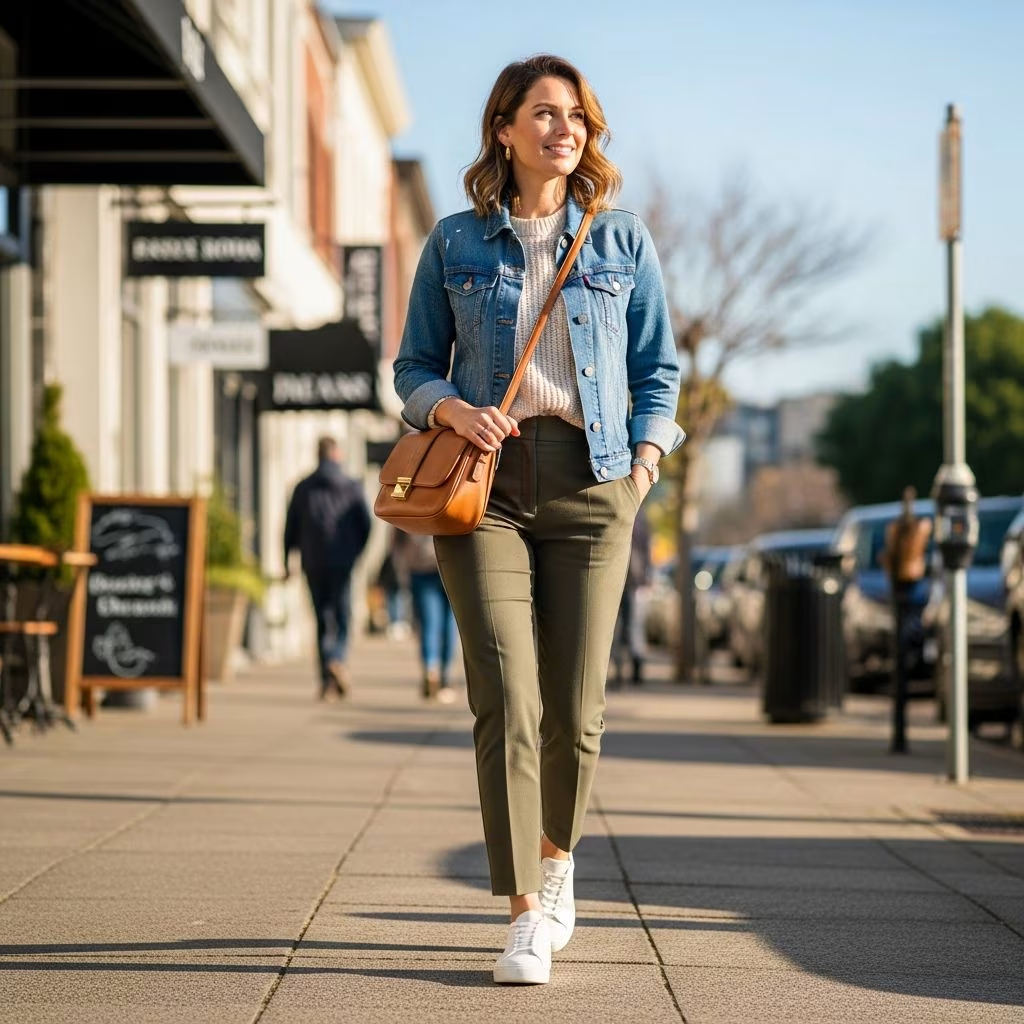
Casual chic style is the perfect middle ground between looking put-together and feeling comfortable. It is relaxed, unfussy, and wearable for everyday life, yet still polished enough for meetings, brunch, or date night. You do not need designer labels or a huge wardrobe to achieve this look. With a few key pieces, smart shopping strategies, and some outfit formulas, you can build a casual chic style on any budget.
This guide walks you through what casual chic style is, why it is worth cultivating, and eight practical tips to help you create a wardrobe that feels both elevated and realistic for your lifestyle and finances.
What is casual chic style?
Casual chic style is a blend of relaxed casual clothing with more polished, sophisticated elements. Think jeans with a blazer, a t-shirt with tailored trousers, or sneakers with a sleek midi dress. The aim is to look intentional and refined without appearing overdressed.
Hallmarks of casual chic include:
- Clean lines and simple silhouettes
- Neutral or muted color palettes with occasional accents
- Comfortable fabrics elevated by good fit and minimal details
- Thoughtfully chosen accessories that complete an outfit without overwhelming it
Fashion researchers note that people often use clothing to balance comfort and social expectations, signaling competence and reliability without sacrificing authenticity.
Why casual chic style is worth mastering
Building a casual chic wardrobe is not just about aesthetics. It can also influence how you feel and how others perceive you. Studies in social psychology have found that clothing can affect both self-confidence and how competent someone appears to others. Choosing outfits that are clean, coordinated, and well-fitted can support a professional image even in relaxed settings.
Beyond perception, casual chic style is practical because:
- Pieces mix and match easily, reducing decision fatigue.
- You need fewer items, which helps control spending.
- It works for many settings: remote work, errands, social events, and casual Fridays.
With the right planning, you can create this look while staying aligned with your financial goals. Financial education organizations often emphasize aligning lifestyle habits, including clothing purchases, with long-term budgeting and savings plans.
1. Define your version of casual chic
Casual chic is a concept, not a strict rulebook. Your lifestyle, job, climate, and personality should all shape what it looks like for you. Before buying anything, define your own casual chic “uniform.”
Questions to clarify your style
- What do you actually wear most days (jeans, dresses, joggers, skirts)?
- Do you prefer more tailored pieces or softer, relaxed fits?
- Which colors do you wear repeatedly and feel confident in?
- What footwear fits both your style and your reality (walking, commuting, kids, etc.)?
Common casual chic style directions
| Style direction | Key pieces | Typical footwear |
|---|---|---|
| Minimal classic | Blazers, straight jeans, crisp shirts, simple knits | Loafers, leather sneakers, low block heels |
| Soft feminine | Midi skirts, flowy blouses, knit dresses | Ballet flats, low heels, sleek sandals |
| Sporty chic | Structured joggers, elevated hoodies, long coats | Clean sneakers, slip-on mules |
Choose one main direction as your base, then blend elements from others in small doses so your wardrobe stays cohesive.
2. Build a casual chic capsule wardrobe
A capsule wardrobe is a small, curated collection of clothes that mix and match easily. This approach is particularly effective for casual chic style because it emphasizes versatility and thoughtful choices rather than constant shopping.
Minimalist wardrobe strategies, such as capsule wardrobes, can reduce both clutter and decision fatigue while helping people spend more intentionally.
Essential casual chic pieces
You can adjust this list based on climate and lifestyle, but the following items are a strong starting point for many wardrobes:
- Tops
- 2–3 neutral t-shirts (black, white, gray, or beige)
- 1–2 elevated knit tops or polos
- 1–2 button-down shirts (crisp or relaxed)
- Layers
- 1 structured blazer in a neutral color
- 1 lightweight cardigan or casual jacket
- 1 more relaxed oversized sweater
- Bottoms
- 1 pair of straight or slim jeans in a medium or dark wash
- 1 pair of tailored trousers or elevated joggers
- 1 casual chic skirt (midi or knee-length)
- Dresses
- 1 simple t-shirt dress or knit dress
- 1 dress you can dress up or down (wrap, shirt, or slip style)
- Footwear
- 1 pair of clean, minimal sneakers
- 1 pair of flats or loafers
- 1 pair of low heels or heeled boots (if needed for your lifestyle)
- Accessories
- 1–2 structured everyday bags
- Simple jewelry (studs, small hoops, a pendant necklace)
- A watch or bracelet to subtly polish your look
Start with what you own, fill gaps slowly, and resist the urge to buy multiples of the same piece until you know how often you reach for it.
3. Focus on fit, fabric, and color
Casual clothes only look chic when they fit well and are made from fabrics that drape nicely and hold their shape. Research in consumer behavior consistently shows that clothing quality and fit influence perceptions of style and value more than brand name alone.
Fit
- Shoulder seams on shirts and blazers should sit at or near the edge of your shoulders.
- Pants should skim your body without pulling or sagging.
- Try slightly relaxed cuts for a more modern look instead of very tight fits.
Fabric
- Look for cotton, linen blends, modal, viscose, and quality synthetics that feel smooth.
- Avoid overly thin or see-through fabrics that lose shape quickly.
- Knitwear should feel soft and resist pilling with basic care.
Color palette
- Choose a base of 2–3 neutrals (black, navy, gray, beige, white).
- Add 2–3 accent colors you love and that flatter your complexion.
- Keep prints minimal so pieces are easy to mix and match.
Working with a limited color story makes even budget-friendly wardrobes feel cohesive and elevated.
4. Use simple outfit formulas
Casual chic style becomes much easier when you rely on a few repeatable outfit formulas. These are combinations you know work every time, which you can tweak using different colors or accessories.
Reliable casual chic outfit formulas
- Jeans + t-shirt + blazer + loafers
Perfect for casual meetings, brunch, or smart errands. - Midi skirt + knit top + sneakers
Comfortable yet polished for day-to-day activities. - Trousers + relaxed shirt (half-tucked) + flats
Effortless office-appropriate or work-from-home look. - Knit dress + denim or utility jacket + ankle boots
Easy option when you want a one-and-done outfit. - Elevated joggers + fitted tee + long coat + clean sneakers
Athleisure-inspired but pulled together.
Keep 3–5 go-to formulas written down or saved on your phone to make getting dressed faster, especially on busy mornings.
5. Elevate outfits with accessories
Accessories are where a simple outfit transforms into a casual chic look. You do not need many pieces; you just need the right ones. Even subtle additions can shift an outfit from very casual to polished.
High-impact, low-effort accessories
- Jewelry: small hoops or studs, a delicate pendant necklace, a simple bracelet.
- Bags: a structured crossbody or tote in a neutral tone.
- Belts: a classic leather belt to define your waist and refine jeans or trousers.
- Scarves: lightweight scarves in solid colors or subtle prints for cooler months.
- Sunglasses: a flattering pair instantly adds a chic touch.
Set a small accessories budget and prioritize versatile pieces that pair with most of your wardrobe rather than statement items you rarely wear.
6. Shop strategically on a budget
Casual chic style is fully achievable with a modest budget if you shop intentionally. Consumer finance guidance often encourages planning for discretionary spending categories like clothing so they do not interfere with savings or essential bills.
Create and respect a clothing budget
- Decide how much you can spend on clothes per month or per season.
- List priorities (e.g., replacement jeans, better sneakers, a blazer) before browsing.
- Track your purchases so you know where your clothing money goes.
Smart shopping strategies
- Shop your closet first: restyle what you own into new outfits before buying more.
- Buy fewer, better: choose mid-quality basics that last rather than frequent impulse buys.
- Use sales thoughtfully: only purchase discounted items that fit your style plan.
- Consider thrift and consignment: a way to find higher-quality pieces at lower prices when you shop selectively.
Focus on upgrading pieces you wear often—like jeans, shoes, and bags—because their cost per wear will be lower than rarely worn items.
7. Prioritize care, grooming, and maintenance
Even the simplest outfit looks more chic when clothing is clean, pressed, and in good condition. Personal grooming and clothing care can make inexpensive items appear more refined. Health and professional organizations frequently emphasize that basic grooming and cleanliness contribute significantly to overall appearance and confidence.
Clothing care habits that elevate your look
- Follow care labels to avoid shrinking or damaging fabrics.
- Use a steamer or iron to remove wrinkles from shirts, dresses, and pants.
- Repair loose buttons, small holes, or loose hems promptly.
- Avoid visible lint, stains, or pet hair on dark fabrics.
Simple grooming upgrades
- Keep nails clean and trimmed, even if you do not wear polish.
- Choose a low-maintenance hairstyle you can style consistently.
- Opt for light, natural makeup (if you wear makeup) to enhance your features.
- Maintain a basic skincare routine suited to your skin type.
These details quietly support the casual chic aesthetic without requiring a large budget or significant daily time.
8. Evolve your casual chic style over time
Style is not static. Your casual chic wardrobe should evolve with your life, budget, and preferences. Instead of chasing trends, adjust your core pieces and outfit formulas gradually as you learn what truly works for you.
Review your wardrobe regularly
- Every few months, remove items that no longer fit, feel good, or match your style.
- Note which pieces you reach for most often; these indicate your real-life uniform.
- Identify recurring gaps, such as outerwear, work-appropriate shoes, or quality basics.
Set simple style goals
- Decide to build one complete outfit at a time (top, bottom, shoes, outer layer).
- Commit to a defined color palette for a season.
- Upgrade one category per year (e.g., denim this year, shoes next year).
By aligning your purchases with clear goals, you avoid random buying and steadily move toward a wardrobe that fits your lifestyle and financial priorities.
Frequently Asked Questions (FAQs)
Q: How do I look casual but chic every day?
Focus on simple outfit formulas built from well-fitting basics, such as jeans, a t-shirt, and a blazer or knit top with tailored trousers. Choose a cohesive color palette, keep your clothes clean and pressed, and add one or two polished accessories like a watch, earrings, or a structured bag.
Q: Can I achieve casual chic style with a very small budget?
Yes. Start by editing and restyling your current wardrobe, then slowly add versatile pieces like neutral tops, quality jeans, and clean sneakers. Set a clothing budget, shop sales carefully, and use thrift or consignment stores to find higher-quality items at lower prices while avoiding impulse purchases.
Q: What colors work best for casual chic outfits?
Neutrals are the easiest base for casual chic style: black, white, beige, navy, and gray. Choose two or three as your main palette and add a few accent colors that suit your skin tone and personal taste. This makes mixing and matching much easier and helps your outfits look coordinated with minimal effort.
Q: How many pieces do I need for a casual chic capsule wardrobe?
There is no perfect number, but many people find 25–40 clothing items (excluding underwear, workout clothes, and special-occasion wear) workable. Aim for enough tops, bottoms, and layers to create multiple outfits without feeling overwhelmed, and prioritize pieces that can be worn in several different combinations.
Q: What shoes are best for casual chic style?
Clean, minimal sneakers, loafers, ballet flats, ankle boots, and low heels all work well for casual chic outfits. Choose styles in neutral colors so they match most of your wardrobe, and prioritize comfort so your shoes align with your daily activities and help you wear your outfits confidently.
References
- Adam Hajo & Adam D. Galinsky, “Enclothed Cognition” — Journal of Experimental Social Psychology. 2012-07-01. https://doi.org/10.1016/j.jesp.2012.02.008
- US Federal Trade Commission, “Clothes for Kids” (Consumer advice on clothing quality and labels) — Federal Trade Commission. 2021-03-01. https://www.ftc.gov/business-guidance/resources/clothes-kids
- US Consumer Financial Protection Bureau, “How to create a budget” — Consumer Financial Protection Bureau. 2023-02-01. https://www.consumerfinance.gov/consumer-tools/budgeting/how-to-create-a-budget/
- Project 333: The Minimalist Fashion Challenge That Proves Less Really is So Much More — Courtney Carver. 2020-03-03. https://www.penguinrandomhouse.com/books/611803/project-333-by-courtney-carver/
- US Bureau of Labor Statistics, “Consumer Expenditures in 2023” — U.S. Bureau of Labor Statistics. 2024-09-10. https://www.bls.gov/news.release/cesan.nr0.htm
- American Academy of Dermatology, “Skin care basics” — American Academy of Dermatology Association. 2022-05-01. https://www.aad.org/public/everyday-care/skin-care-basics
This article is general information, not personal financial advice. Consider your own situation, or speak with a licensed adviser, before acting on it.


