

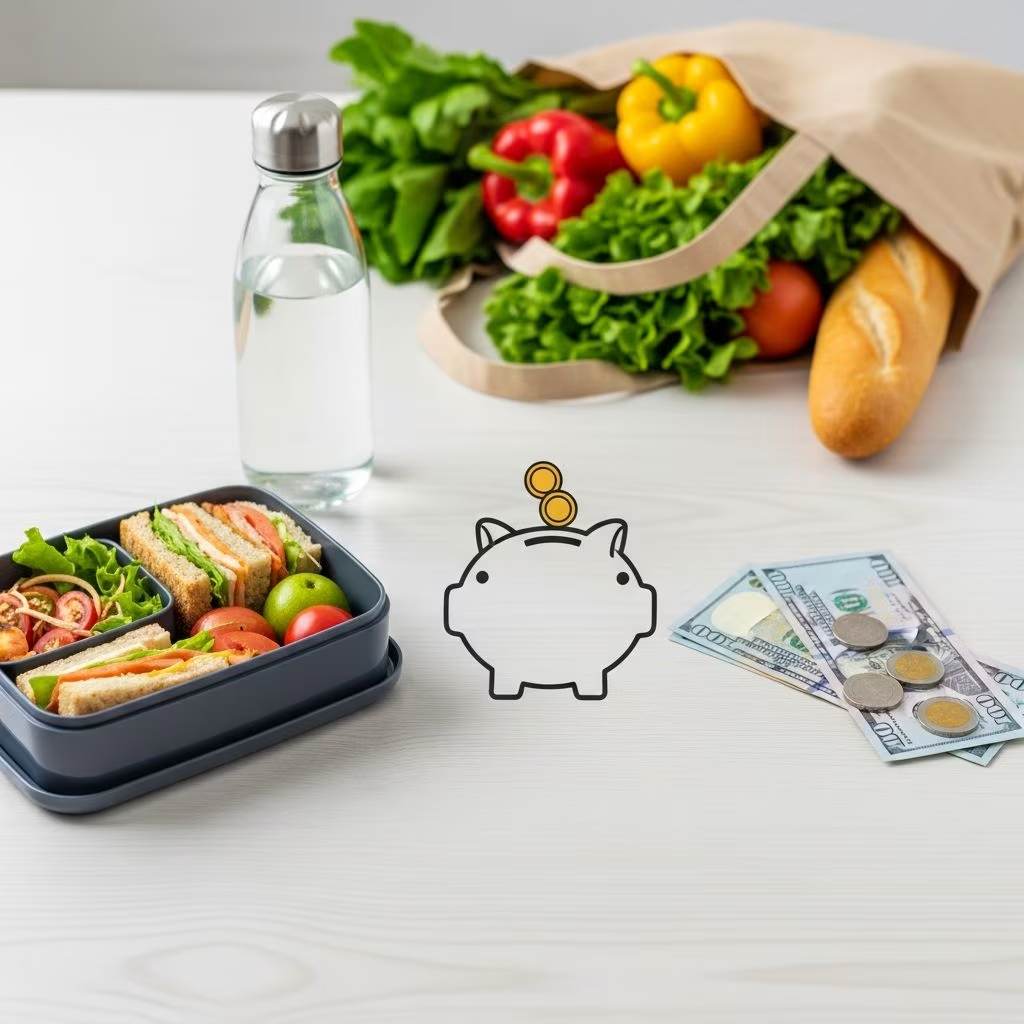
Restaurant meals, drive-thru runs, and delivery apps are convenient and fun, but they can quietly drain your bank account and make it harder to reach your financial goals. According to the U.S. Bureau of Labor Statistics, the average American household spends thousands of dollars each year on food away from home, money that could otherwise go toward savings, debt payoff, or investments. The good news is that you can learn how to stop eating out so much without feeling deprived.
This guide walks you through why cutting back on eating out matters, 7 practical tips to help you eat at home more often, and smart ways to stay motivated for the long term.
Why cutting back on eating out saves you money
When you buy prepared food, you are paying for more than ingredients: you are also paying for labor, rent, packaging, marketing, and delivery infrastructure. That is why restaurant and takeout meals typically cost several times more than similar home-cooked dishes.
In the U.S., data from the Consumer Expenditure Survey show that households spend a significant share of their food budget on food away from home, including full-service restaurants, fast food, and delivery. Even replacing a few restaurant meals a week with home cooking can free up meaningful cash.
| Meal type | Typical cost per person* | Home-cooked equivalent |
|---|---|---|
| Coffee + pastry on the go | $5–$8 | Under $2 brewed at home |
| Fast food lunch combo | $10–$15 | $3–$5 home-prepared lunch |
| Casual dinner out | $25–$40 | $5–$10 homemade dinner |
*Approximate ranges for illustration; actual costs vary by location.
Over time, these differences add up. If you replace three $15 takeout meals per week with $5 home-cooked meals, you could save about $30 per week or over $1,500 per year. That is enough to build an emergency fund, accelerate debt payoff, or boost retirement savings.
How to stop eating out with these 7 key tips
Simply deciding to “never eat out again” rarely works. Sustainable change comes from creating systems that make it easier and more appealing to eat at home. Use these seven strategies together for the best results.
1. Meal prep so you always have something ready
Meal prep means planning and preparing some or all of your meals in advance so you are not caught hungry with an empty fridge. Research on home food preparation suggests that planning and cooking at home is associated with better diet quality and lower food costs, partly because it reduces reliance on convenience foods.
Simple meal prep steps:
- Choose your meals for the week: Pick 2–4 main dishes you enjoy and can reuse as leftovers (chili, pasta, stir-fries, roasted chicken, grain bowls).
- Check your pantry: Use what you already have to cut your grocery bill.
- Make a grocery list: Group items by section (produce, dairy, pantry) to shop faster and avoid impulse buys.
- Batch cook: Set aside a few hours once or twice a week to cook multiple meals and portion them into containers.
- Use your freezer: Freeze extra portions of soup, sauce, or cooked grains so future you has a backup.
To keep things interesting, rotate themes rather than exact recipes: for example, “pasta night,” “taco night,” or “soup and salad” night.
2. Bring your own food when you are out
Many restaurant and fast food purchases happen not because you love the food, but because you get hungry when you are away from home with no alternatives. Packing food short-circuits that pattern.
Try these ideas:
- Pack lunch for work: Leftovers, sandwiches, salads in jars, or grain bowls travel well and are cheaper than daily takeout.
- Carry snacks: Keep nuts, fruit, granola bars, or crackers in your bag or car to avoid emergency drive-thru stops.
- Prepare food for outings: For hikes, park days, or kids’ activities, bring sandwiches, cut vegetables, and reusable water bottles.
- Make at-home versions: If you love a specific café drink or breakfast item, learn to recreate it at home at a fraction of the cost.
Over time, “I will just grab something out” can become your backup option rather than your first instinct.
3. Avoid social situations that revolve around eating out
Many social routines center on restaurants, cafés, or bars. That can make it hard to cut back on eating out without feeling like you are missing out. Instead of saying no to friends, suggest lower-cost, food-light alternatives.
Low-cost social ideas:
- Invite friends for a potluck dinner or dessert night at home.
- Meet for a walk in the park, hike, or bike ride instead of brunch.
- Host a game night or movie night with homemade popcorn and simple snacks.
- Visit free or low-cost attractions like museums on discounted days, community events, or local libraries.
If you still want to meet at a café, consider just ordering a drink, or limit restaurant meetups to specific occasions you plan and budget for.
4. Cook more often so you gain confidence
The more frequently you cook, the easier and faster it becomes. People who cook at home more often tend to spend less on overall food costs and are better able to control portions and ingredients.
To build your cooking habit:
- Start with simple recipes: One-pan dishes, sheet-pan meals, and slow cooker recipes keep prep and cleanup minimal.
- Repeat your favorites: It is okay to eat similar meals often while you build skills and routines.
- Use basic techniques: Roasting vegetables, cooking grains, and sautéing proteins cover most everyday meals.
- Keep a “win” list: When you cook something you like, save the recipe so you can reuse it.
If you dislike your own cooking right now, treat it as practice. Try new seasonings, sauces, and cooking times until you find what you enjoy.
5. Keep a list of quick backup meals
Many restaurant orders happen at the end of a long day when you are tired and hungry. Having a list of fast, low-effort meals you can assemble in 10–15 minutes makes it far easier to stay on track.
Examples of quick backup meals:
- Scrambled eggs or omelet with toast and fruit.
- Tortilla wraps with hummus, veggies, and cheese.
- Pasta with jarred sauce plus frozen vegetables.
- Microwaved baked potato with beans, cheese, and salsa.
- Pre-washed salad mix topped with canned tuna or beans.
Post this list on your fridge. When you are tempted to order in, commit to making one of these first. If you still want to order after you eat, you can—but most people find the craving passes once they are no longer starving.
6. Find alternative activities to replace eating out
Eating out is often less about the food and more about the experience: getting out of the house, being with people, or taking a break from chores. If you remove restaurant trips, you need to add other enjoyable activities to fill that space.
Try replacing restaurant time with:
- Movement: Exercise classes, at-home workouts, dance videos, or evening walks.
- Learning: Language apps, online courses, tutorials, or library workshops.
- Creative hobbies: Knitting, drawing, DIY projects, gardening, cooking new cuisines.
- Home rituals: Themed family nights, puzzles, or reading time with a warm drink.
The more you associate your free time with non-food activities, the less you will rely on restaurants as your default “something fun to do.”
7. Join or start a no eating out challenge
A no eating out challenge can provide extra structure and accountability. For a set period—such as 30 days—you commit to not spending money on restaurant meals, delivery, or drive-thru orders, except for any exceptions you clearly define in advance.
How to run your challenge:
- Define the rules: Decide what counts as eating out and whether you allow any exceptions (for example, one meal out per month or preplanned celebrations).
- Pick a timeline: 14, 30, or even 60 days. Shorter periods are easier to start with.
- Recruit others: Invite friends, family, or coworkers so you can encourage each other. Social support is known to help people maintain behavior changes.
- Track your wins: Mark each day you succeed and write down the money you saved.
You can also layer in a reward: for example, transferring every avoided restaurant purchase into a savings account for travel, debt payoff, or a future splurge that aligns with your goals.
How to find the motivation to stop eating out
Knowing what to do is one thing; staying motivated when you are tired, stressed, or busy is another. These strategies help you stick with your new habits long enough for them to become your new normal.
Set a clear, specific goal
Vague intentions like “I should eat out less” are hard to follow. A specific, measurable goal gives you a target to aim at and a way to see progress.
Examples of clear goals:
- “No restaurant meals for the next 30 days.”
- “Eat out only once per week for the next three months.”
- “Cut my monthly restaurant spending from $300 to $100.”
Write your goal down, keep it where you can see it, and share it with someone you trust. Setting concrete financial goals is associated with better saving behavior and follow-through.
Find an accountability partner
An accountability partner is someone who knows your goal and checks in with you regularly. Research on exercise and other habits shows that having a partner who is engaged and slightly more successful can boost your own persistence.
Ideas for using accountability:
- Ask a friend to join your no eating out challenge.
- Set a recurring weekly check-in by text where you both report wins and setbacks.
- Share your monthly restaurant spending number with a trusted person to stay aware of your progress.
When you are tempted to order out, message your accountability partner first. Often, a quick reminder—”You have food at home”—is enough to nudge you back toward your goal.
Track your progress visually
Tracking helps make your efforts visible and rewarding. When you see progress, you are more likely to stay consistent.
Tracking ideas:
- Calendar method: Put a check mark or sticker on each day you do not eat out.
- Savings log: Each time you skip a restaurant purchase, write down the amount you did not spend and transfer it into savings.
- Before-and-after numbers: Compare your restaurant spending from three months ago to now using your bank or budgeting app.
You can also track non-financial benefits, such as more energy, better focus, or family time around the table.
Decide in advance what you will do with the money you save
Assigning a purpose to your savings makes it more motivating to stay on track. Instead of thinking “I am giving up restaurant meals,” you can think “I am choosing my future goal instead.”
Possible uses for your savings:
- Build or grow an emergency fund so unexpected expenses do not become debt.
- Pay down high-interest debt faster to reduce interest costs.
- Boost retirement contributions or other investments.
- Save for a vacation, class, or big purchase that truly matters to you.
Rename a savings account with your goal (for example “No Takeout Trip Fund”) and transfer the money you would have spent each time you cook at home instead.
Frequently Asked Questions (FAQs)
Q: Is it realistic to never eat out at all?
For most people, it is more realistic to significantly reduce eating out rather than eliminate it forever. You might choose to reserve restaurant meals for special occasions, travel, or specific weekly treats that fit your budget.
Q: How much can I really save by eating at home?
The exact amount depends on how often you currently eat out and what you spend, but replacing several restaurant meals per week with home-cooked alternatives can easily add up to hundreds or even thousands of dollars per year. Track your spending for a month to see your personal savings potential.
Q: What if I am too busy to cook?
Focus on meal prep, batch cooking, and very simple recipes. Use convenience ingredients like pre-cut vegetables, rotisserie chicken, or frozen produce to save time while still spending less than at restaurants. Keeping quick backup meals on hand is especially important when your schedule is packed.
Q: How do I handle social pressure to eat out?
Be honest about your goals and offer alternatives: suggest coffee instead of a full meal, invite friends over, or recommend a walk or activity that does not center on food. Most people will respect that you are working toward financial or health goals, especially if you propose a fun replacement.
Q: What if I slip and order takeout during my challenge?
Treat it as data, not failure. Notice what was happening—were you tired, stressed, unprepared? Adjust your system by adding more quick meals, asking for help, or revisiting your goal. Then start again at the next meal rather than waiting for a new week or month.
References
- Consumer Expenditures – 2023 — U.S. Bureau of Labor Statistics. 2024-09-10. https://www.bls.gov/news.release/cesan.nr0.htm
- Savings — Consumer Financial Protection Bureau. 2022-08-15. https://www.consumerfinance.gov/consumer-tools/saving/
- Build Financial Well-Being — Consumer Financial Protection Bureau. 2021-01-27. https://www.consumerfinance.gov/practitioner-resources/financial-well-being-resources/
- Cooking at Home: A Strategy to Comply With U.S. Dietary Guidelines at No Extra Cost — Monsivais P, Aggarwal A, Drewnowski A, American Journal of Preventive Medicine. 2014-05-01. https://doi.org/10.1016/j.amepre.2014.02.001
- The Köhler Effect: Motivation Gains in Group Settings — Hertel G, Kerr NL, Messé LA, Journal of Personality and Social Psychology. 2000-06-01. https://doi.org/10.1037/0022-3514.79.4.580
This article is general information, not personal financial advice. Consider your own situation, or speak with a licensed adviser, before acting on it.


