

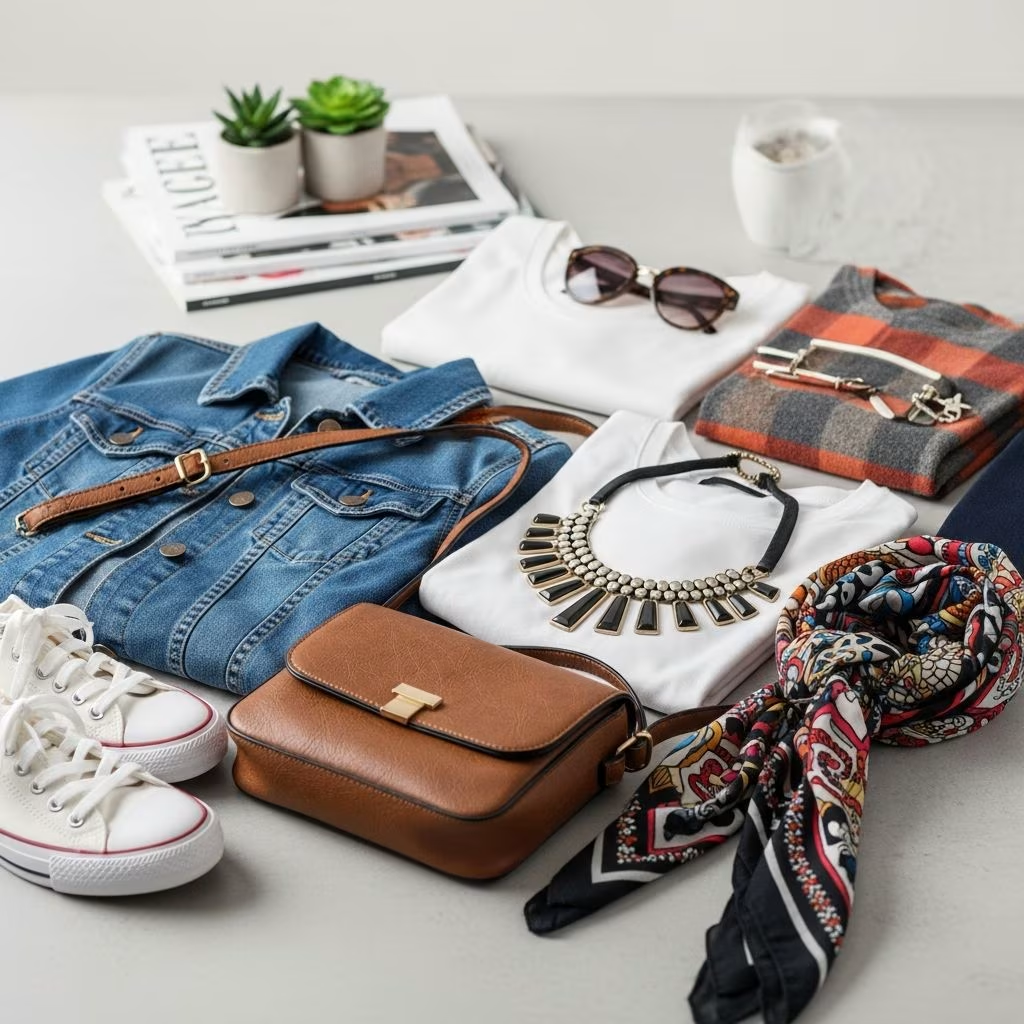
Looking stylish does not have to mean spending your entire paycheck on clothes. Research shows that the average U.S. household spends thousands of dollars per year on apparel and related services, which can crowd out savings and debt repayment if left unchecked.1 The good news is that with clear fashion goals and a practical budget, you can enjoy great outfits and still stay on track with your larger financial plans.
This guide walks you through how to set thoughtful fashion goals, define your personal style, and shop strategically so your wardrobe supports your confidence and your bank account.
Why Fashion Goals Matter for Your Finances
When clothing purchases are driven by impulse or trends, they can quickly turn into unplanned spending and even credit card debt. Studies from the U.S. Federal Reserve and consumer research consistently find that unplanned purchases are a major driver of revolving credit balances and financial stress.2 Clear fashion goals help you:
- Align your wardrobe with your real lifestyle and income.
- Avoid emotional or impulse purchases you rarely wear.
- Plan for bigger items (like coats or shoes) without using debt.
- Enjoy fashion as a conscious choice instead of a financial drain.
Think of your fashion goals as a mini plan inside your overall money strategy: they guide what you buy, when you buy it, and how much you are willing to spend.
Clarify Your Overall Financial Priorities First
Before you decide how much you can spend on clothes, step back and look at your full financial picture. Financial planners often recommend starting with essentials, then savings, and only then discretionary categories like fashion.2
| Priority Area | Examples | How Fashion Fits In |
|---|---|---|
| Essentials | Housing, food, utilities, transportation, insurance | Clothing for work, weather, and basic needs |
| Savings & Debt | Emergency fund, retirement, debt payoff | Fashion spending must not slow these goals |
| Discretionary | Dining out, entertainment, travel, fashion | Where you intentionally place your style budget |
Once you know how much room you have after essentials and savings, you can confidently decide what portion of your discretionary money will go to fashion.
Define Your Personal Style (So You Stop Buying Randomly)
Without a clear sense of style, it is easy to buy pieces that do not work together. Defining your personal style reduces waste and helps you build a wardrobe you actually wear.
Questions to Help You Pinpoint Your Style
- Which outfits make you feel the most confident and comfortable?
- Do you gravitate toward classic, minimalist, edgy, romantic, or boho looks?
- What colors, fabrics, and silhouettes show up again and again in your favorite outfits?
- What do you wear most often for work, weekends, and social events?
Look at photos of yourself, your most-worn items, and even saved inspiration. Aim to summarize your style in one short sentence, like “polished and minimal,” “relaxed and sporty,” or “feminine and colorful.” Every new purchase should support that definition.
Audit Your Current Wardrobe Before Buying Anything
One of the cheapest ways to upgrade your style is to fully understand what you already own. Many people discover forgotten pieces or new outfit combinations just by organizing their closets.
Steps for a Smart Closet Audit
- Empty and sort your wardrobe into piles: love, maybe, donate/sell, and repair.
- Check for duplicates (for example, several black cardigans) to avoid buying more of the same.
- Note the gaps (like no good raincoat or only one pair of work pants) that truly limit your daily outfits.
- Identify your “workhorses”: the items you reach for weekly. These show what really fits your lifestyle.
After your audit, create a short list of 3–10 items that would dramatically improve how your wardrobe functions (for example, quality jeans, neutral flats, or a versatile blazer). This list will guide your fashion goals and shopping plan.
Set a Realistic Fashion Budget
Once your priorities and wardrobe gaps are clear, set a spending limit that fits your income. Consumer data suggests that adults in the U.S. often spend over one hundred dollars per month on clothing, but that is an average, not a rule.3 Your number should be based on your income, obligations, and goals.
How to Build Fashion into Your Budget
- Decide on a monthly or quarterly clothing amount that feels sustainable.
- Use a separate “style” line in your budget or a dedicated savings account.
- Let the money accumulate for bigger planned purchases instead of spending it every month automatically.
- Revisit your budget once or twice a year as your income or needs change.
By planning ahead, you can say yes to a new coat or shoes when you truly need them, without reaching for credit.
Focus on Timeless Pieces Over Fast Trends
Timeless items tend to be more cost effective because you can wear them for years across different seasons. Research on consumer behavior also suggests that higher-quality core items often deliver better long-term value than repeatedly buying cheaper, short-lived pieces.1
Examples of Timeless Wardrobe Staples
- Well-fitting jeans or tailored trousers in neutral colors.
- A structured blazer that works with dresses, pants, and jeans.
- Simple dresses you can dress up or down.
- Neutral shoes and handbags that match most of your wardrobe.
- Outerwear appropriate for your climate (trench coat, wool coat, rain jacket).
You can still enjoy trends, but make them a small percentage of your fashion budget. For instance, you might decide that only 10%–20% of your yearly clothing spending will go to trend-driven items like bold prints or unusual silhouettes.
Build a Simple, Versatile Wardrobe
A simple, structured wardrobe does not mean boring; it means that most of your pieces mix and match easily. This approach saves time getting dressed and cuts down on “I have nothing to wear” panic.
Tips for Creating a Versatile Closet
- Choose 2–3 base colors (for example, black, navy, beige) and 2–3 accent colors.
- Prioritize solid colors and simple patterns for core items, and use accessories for bolder statements.
- Look for pieces that work in at least three different outfits before buying.
- Consider a small capsule wardrobe for work, travel, or weekends to test simplicity in action.
This structure means each new purchase adds many outfit options instead of just one.
Shop Smart: New, Pre-Owned, and Thrift
Being fashionable on a budget is largely about how you shop, not just how much you spend. You can mix price points and brand types to create unique, polished looks without overspending.
Guidelines for Budget-Friendly Shopping
- Shop pre-owned and thrift for higher-end items at lower prices. Second-hand markets often include items that are lightly used or even new with tags.
- Compare prices across retailers before buying, especially for bigger purchases.
- Check return policies so you are not stuck with items that do not fit or suit your lifestyle.
- Avoid “it was on sale” traps by asking whether you would buy the item at full price.
When buying designer or premium items second-hand, research how to verify authenticity through brand tags, stitching, serial numbers, and reputable resellers. Consumer protection agencies advise caution with too-good-to-be-true prices and unknown sellers.4
Combine Designer, Vintage, and Affordable Pieces
Your style does not have to come from one type of store or price point. A sophisticated look can easily mix:
- One standout piece (like a designer bag, shoes, or a tailored blazer).
- Vintage or thrifted items with interesting cuts or fabrics.
- Affordable basics from reliable, non-designer brands.
- Thoughtful accessories such as belts, scarves, or jewelry.
Limiting yourself to one designer feature per outfit keeps costs down but still gives a polished feel. The art is in how everything is combined, not in how much each item costs.
Use Neutral Colors Strategically
Neutrals like black, white, navy, beige, gray, and certain earth tones are easier to mix and tend to look more polished. Because they coordinate well, you can create many outfits from fewer pieces, which supports a budget-conscious wardrobe.
How to Work with Neutrals
- Make core items (pants, jackets, skirts, coats) mostly neutral.
- Use one or two accent colors in tops, accessories, or shoes for interest.
- Play with texture (knits, denim, leather, linen) so neutral outfits do not feel flat.
This approach simplifies shopping and helps ensure that new items integrate smoothly with what you already own.
Prioritize Fit, Fabric, and Care
Regardless of price, clothes that fit well and are made from decent fabrics will always look more expensive than poorly fitting items. Consumer guidance from textile and apparel experts emphasizes fit and material quality as key drivers of perceived value and durability.5
Fit and Fabric Checklist
- Choose cuts that flatter your body type and allow comfortable movement.
- Avoid items that pull, gape, or twist; they will not improve over time.
- Check fabric content and feel: avoid pieces that look overly shiny, thin, or prone to pilling.
- Invest in basic alterations (hemming pants, adjusting waistlines) for pieces you plan to wear often.
- Follow care labels to extend the life of your clothing.
A small, well-fitting wardrobe nearly always looks better than a large collection of items that do not quite work.
Take Care of What You Own
Proper care extends the life of your clothes and reduces how often you need to buy replacements, which supports both your budget and environmental sustainability.1
- Wash items according to label instructions and avoid over-washing delicate fabrics.
- Use gentle detergents and lower heat settings when possible.
- Repair small issues (loose buttons, minor tears) promptly.
- Store seasonal items properly to prevent damage.
Think of caring for your clothes as protecting an investment you have already made.
How to Refresh Your Style for Free or Very Cheap
If your budget is tight, you can still improve your style with minimal spending.
- Re-style existing pieces: layer tops differently, belt dresses, roll sleeves, or cuff jeans for a new look.
- Swap with trusted friends so everyone refreshes their wardrobe at no cost.
- Focus on grooming: neat hair, nails, and clean shoes instantly elevate any outfit.
- Plan outfits in advance to use your existing wardrobe more creatively.
Small styling changes can make your current clothes feel new without adding any line to your credit card statement.
Frequently Asked Questions (FAQs)
Q: How much of my income should I spend on clothes?
A: There is no universal percentage, but many people find 2%–7% of net income for clothing reasonable once essentials and savings are covered. The key is that your fashion budget does not interfere with bills, emergency savings, or debt payoff.
Q: Is it better to buy one expensive item or several cheaper ones?
A: For core wardrobe items you wear frequently (like coats, shoes, jeans, or workwear), one well-made piece often offers better long-term value than several cheaper items that wear out quickly. For trendy pieces, cheaper options usually make more sense because you will not wear them as long.
Q: How can I stop impulse shopping for clothes?
A: Use a written shopping list based on your closet audit, wait at least 24 hours before buying non-essential items, and keep a defined monthly or quarterly clothing budget. Unsubscribing from marketing emails and avoiding “just browsing” also helps.
Q: Are second-hand clothes a good idea if I’m trying to look polished?
A: Yes. High-quality pre-owned pieces can look extremely polished, especially when you pay attention to fit and fabric and have items cleaned or lightly tailored if needed. Many professional wardrobes include a mix of new and second-hand items.
Q: Can I have great style with a very small wardrobe?
A: Absolutely. A small, well-curated wardrobe built around your personal style, neutral colors, and versatile pieces can offer many outfit combinations. The goal is cohesion and fit, not quantity.
References
- Consumer Expenditure Surveys — U.S. Bureau of Labor Statistics. 2024-09-10. https://www.bls.gov/cex/
- Report on the Economic Well-Being of U.S. Households — Board of Governors of the Federal Reserve System. 2024-05-21. https://www.federalreserve.gov/consumerscommunities/shed.htm
- Consumer Expenditures for Clothing and Apparel — U.S. Bureau of Labor Statistics. 2023-09-08. https://www.bls.gov/spotlight/2023/consumer-spending-on-clothing-and-apparel/home.htm
- Shopping for Fake and Counterfeit Goods Online — Federal Trade Commission. 2022-12-13. https://www.consumer.ftc.gov/articles/shopping-fake-and-counterfeit-goods-online
- Clothing Care: Increase the Life of Your Clothes — University of Kentucky Cooperative Extension. 2022-04-15. https://extension.ca.uky.edu/files/clothing_care_increase_the_life_of_your_clothes.pdf
This article is general information, not personal financial advice. Consider your own situation, or speak with a licensed adviser, before acting on it.


