

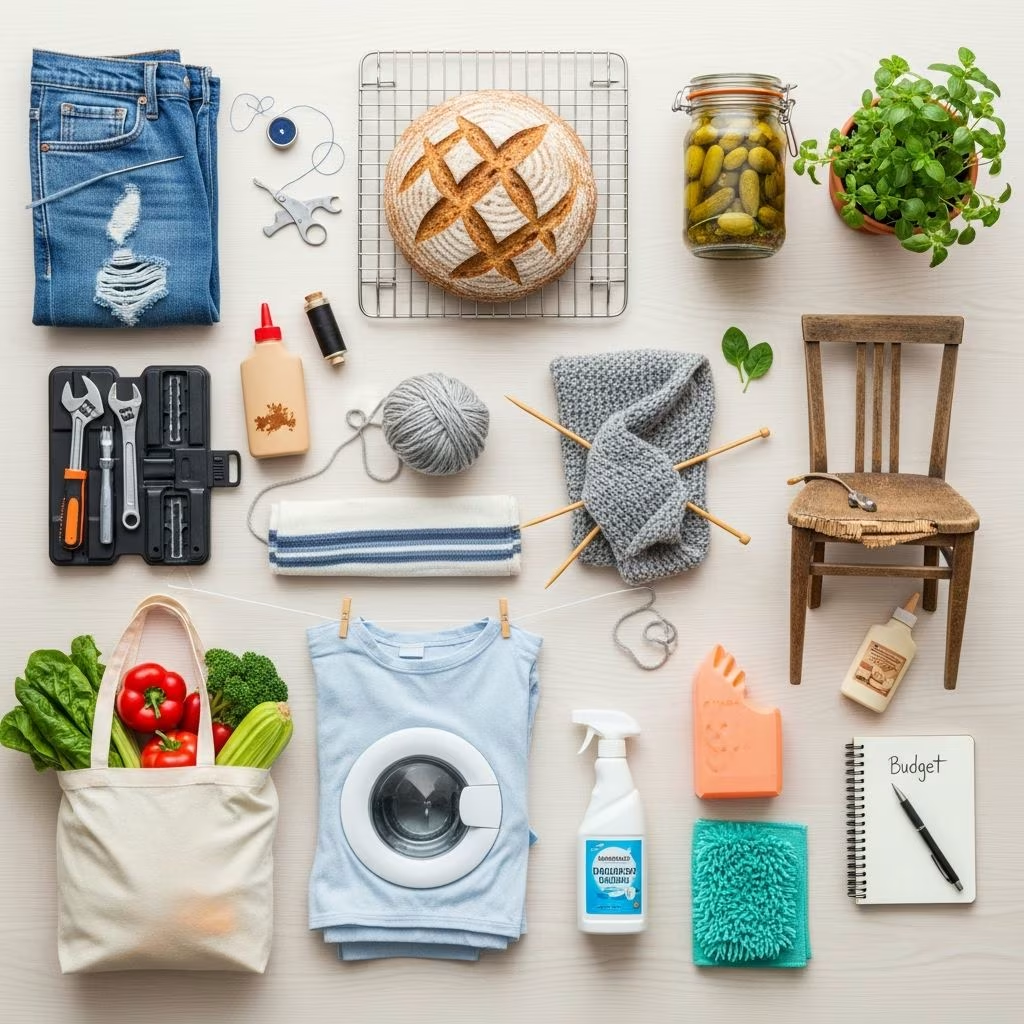
Domestic skills are more than old-fashioned chores. Used intentionally, they are powerful money-saving tools that simplify your life, reduce stress, and help you build a more secure financial future.
This guide walks through 11 key domestic skills that almost anyone can learn. Each one makes your home run more smoothly while cutting recurring expenses you would otherwise pay to other people or to convenience services.
What Are Domestic Skills?
Domestic skills are everyday abilities that help you manage your home, time, and personal needs efficiently. They include tasks like cooking, laundry, cleaning, organizing, planning meals, and managing money—skills that keep your household functioning without constant outside help.
Examples of practical domestic skills include:
- Cooking simple, nourishing meals at home
- Doing your own laundry and basic stain removal
- Keeping your home clean and sanitary
- Planning meals and grocery shopping on a budget
- Basic sewing, mending, and clothing care
- Light home maintenance and troubleshooting
- Managing your household budget, bills, and savings
These skills are not about perfection or traditional gender roles. They are about practical independence: being able to care for yourself and your home in a way that supports your health, time, and money.
Why Are Domestic Skills Important?
Domestic skills matter because they directly influence three things: your quality of life, your stress level, and your financial stability.
- A cleaner, safer home: Regular cleaning and basic hygiene tasks lower exposure to pests, allergens, and some infectious agents, which public health agencies recognize as essential to preventing disease at home.
- Less dependence on paid services: Every time you cook instead of ordering in, clean instead of hiring help, or manage your own money instead of paying high advisory fees, you keep more of your income for your own goals.
- More control over your money: When you budget, plan meals, and shop intentionally, you align everyday choices with long-term plans like debt payoff, saving, and investing.
- Greater confidence and autonomy: Research on financial literacy programs shows that building practical money skills increases confidence, self-control, and the ability to make independent financial decisions.
In short, domestic skills are a foundation for both day-to-day comfort and long-term financial freedom.
The Best Domestic Skills To Know To Save Money
Below are 11 core domestic skills that can significantly reduce your expenses over time. You do not need to master them all at once. Start with one or two, build basic competence, and gradually add more.
1. Doing Your Own Laundry
Outsourcing laundry may feel convenient, but costs add up quickly when you use wash-and-fold services or frequent laundromats with extra paid options. Doing your own laundry at home is one of the simplest ways to cut recurring costs.
Key money-saving habits include:
- Learning garment labels: Washing clothes at appropriate temperatures and settings helps them last longer, reducing how often you need to replace them.
- Air-drying when possible: Line drying lowers energy use, and many fabrics wear out more slowly when not repeatedly dried on high heat.
- Using the right detergent dose: Using more detergent than recommended does not make clothes cleaner and can require extra rinse cycles, wasting water and energy.
- Batching full loads: Running full but not overstuffed loads improves energy and water efficiency, aligning with guidance from energy-efficiency agencies.
Over time, these practices reduce energy bills, extend the life of your clothing, and eliminate service fees for a chore you can easily manage yourself.
2. Stocking Your Kitchen On a Budget
A well-stocked kitchen is a quiet financial advantage. When you keep reasonably priced staples on hand, you are less tempted to rely on takeout, meal kits, or impulse deliveries.
Helpful strategies for budget-friendly kitchen stocking include:
- Building a pantry of low-cost staples: Items like dried beans, rice, pasta, oats, frozen vegetables, canned tomatoes, and basic spices form the backbone of many inexpensive meals.
- Buying in bulk selectively: Larger packages of shelf-stable foods often have a lower unit price, but only buy what you can realistically use before it expires.
- Comparing unit prices: Unit pricing on shelf labels (price per ounce, pound, or liter) helps you quickly see which option is truly cheaper, a method recommended by consumer education programs.
- Rotating stock: Put newer items behind older ones so you use foods before they expire, reducing waste.
When your kitchen is stocked thoughtfully, you can assemble meals quickly and cheaply without defaulting to high-cost convenience foods.
3. Meal Planning
Meal planning is one of the most powerful domestic skills for saving money on food. Planned meals dramatically reduce last-minute takeout, food waste, and random grocery trips.
Core steps to effective meal planning:
- Audit what you already have: Start with your fridge, freezer, and pantry so you build meals around ingredients on hand.
- Plan around your week: Choose quick, simple meals for your busiest days and more involved recipes when you have time.
- Reuse ingredients across meals: For example, buy a large bag of rice and use it for stir-fries, grain bowls, and soups during the week.
- Prepare components in advance: Cooking grains, roasting vegetables, or marinating proteins ahead of time shortens weekday cooking.
- Intentionally schedule leftovers: Plan extra portions for lunches or a leftover night to avoid cooking fatigue.
Because food spending is one of the largest variable categories in most household budgets, even modest improvements in meal planning can free up meaningful money for savings or debt repayment.
4. Basic Home Cooking
Knowing how to cook a handful of simple dishes is another high-impact domestic skill. Cooking at home is generally far cheaper than restaurant meals, and you control ingredients, portions, and nutrition.
You do not need to be a gourmet chef. Start with:
- One or two easy breakfast options (like oats, eggs, or smoothies)
- A basic soup, stir-fry, or pasta dish using inexpensive vegetables and protein
- A simple one-pan oven meal (such as roasted chicken and vegetables)
- Basic sauces or seasonings (like a quick tomato sauce, vinaigrette, or spice blend)
Over time, expanding your cooking ability gives you more variety without higher costs, supports healthier eating patterns, and often reduces medical costs linked to poor diet in the long run, as suggested by nutrition and chronic disease research.
5. Cleaning Up Your House
A clean home supports both health and financial wellbeing. Professional cleaners often charge hourly rates that quickly add up, especially for recurring service. Learning efficient, regular cleaning routines means you keep that money while still enjoying a comfortable space.
Money-saving cleaning habits include:
- Creating a basic cleaning schedule: Divide tasks into daily (dishes, quick wipe-downs), weekly (floors, bathrooms), and monthly (appliances, windows) lists so messes do not become overwhelming.
- Using multipurpose cleaners: A few well-chosen products or simple solutions (like diluted dish soap or vinegar for certain surfaces) can replace a cabinet of specialized cleaners.
- Maintaining appliances: Regularly cleaning lint filters, fridge coils (where safe), and stovetops can improve safety and efficiency, aligning with manufacturer advice and safety agencies.
- Decluttering: Owning fewer items reduces what you must clean and maintain, and sometimes reveals things you can sell for extra cash.
Cleanliness is also tied to lower risk of some infections and pest infestations, which can be far more expensive to address than routine preventive cleaning.
6. Managing Your Household Finances
Among all domestic skills, managing your household finances may have the greatest long-term impact. Instead of outsourcing decisions to others, building your own financial capability helps you minimize fees, debt interest, and costly mistakes.
Key components of effective household money management include:
- Creating a realistic budget: Track income and expenses, then assign every dollar a job—spending, saving, or debt repayment.
- Building an emergency fund: Even a modest emergency buffer reduces reliance on high-interest credit when unexpected costs arise, a practice widely recommended by central banks and financial regulators.
- Paying bills on time: Automating payments where possible helps you avoid late fees and negative credit impacts.
- Learning the basics of saving and investing: Research on financial literacy programs shows that education improves saving behavior and autonomy, particularly for women and girls.
- Reviewing accounts regularly: Checking statements helps you catch errors, fraud, or subscriptions you no longer use.
The more comfortable you become with managing money, the easier it is to align other domestic skills—like cooking, cleaning, and shopping—with your financial goals.
7. Smart Grocery Shopping
Grocery shopping is where meal planning and budgeting meet. Thoughtful shopping ensures you have what you need for your planned meals without overspending or wasting food.
Useful grocery shopping habits include:
- Sticking to a list: Write your list from your meal plan and pantry inventory, then challenge yourself to follow it.
- Shopping your pantry first: Look for items that need to be used soon and plan meals around them.
- Comparing store brands and sales: Store brands are often similar in quality to name brands but cost less, and consumer organizations note they can meaningfully reduce food bills.
- Avoiding shopping while hungry or rushed: Both conditions increase impulsive purchases.
With practice, grocery shopping shifts from a stressful errand to a predictable, planned routine that supports your budget.
8. Basic Sewing and Clothing Care
Clothing is another category where small domestic skills have big financial effects. Being able to handle minor repairs keeps items in use longer and delays replacement costs.
Begin with simple clothing-care skills:
- Sewing on a missing button
- Closing a small seam tear
- Hemming pants or skirts
- Learning basic stain removal techniques
- Properly storing seasonal clothing
Combined with mindful laundering, these skills extend the life of your wardrobe and help you get full value out of every piece you own.
9. Light Home Maintenance
You do not need to be a professional handyman to handle light home maintenance, but knowing a few basics can save money and prevent small issues from becoming major repairs.
Examples of simple, high-impact tasks include:
- Replacing HVAC filters as recommended by manufacturers
- Testing smoke and carbon monoxide detectors
- Learning how to reset a tripped breaker safely
- Knowing how to shut off the main water supply in an emergency
- Sealing small drafts around doors and windows to improve energy efficiency
Energy-efficiency agencies highlight that small maintenance steps, like filter changes and draft sealing, can reduce utility bills and equipment wear over time. When in doubt, always follow safety guidelines and call a licensed professional for anything complex or potentially dangerous.
10. Time Management at Home
Time management may not sound like a traditional domestic skill, but it holds all the others together. When you manage your time well, you are less likely to pay for last-minute fixes like rush shipping, urgent cleaning help, or emergency takeout.
Practical time-management habits include:
- Blocking time for recurring tasks: Reserve specific periods each week for laundry, cleaning, and meal prep.
- Using simple checklists: Short daily or weekly lists keep you focused without needing complex systems.
- Batching tasks: Group similar errands—like all shopping or appointments—into the same trip to save time and transportation costs.
- Setting realistic expectations: Aim for “good enough” consistency rather than perfection; consistency is what produces financial savings.
11. Frugal Mindset and DIY Problem-Solving
Finally, an underlying skill ties everything together: a frugal, solutions-oriented mindset. This is not about deprivation. It is about asking, “Is there a simple way to do this myself safely and affordably?” before defaulting to the most expensive option.
A frugal mindset at home often looks like:
- Checking if an item can be repaired before replacing it
- Repurposing containers or household items instead of buying new organizers
- Borrowing or renting tools you rarely use instead of purchasing them
- Learning from trustworthy tutorials or official manuals before calling for professional help (when safe and appropriate)
Combined with the concrete skills above, this mindset helps you continuously find new ways to lower expenses and direct more money toward your priorities.
How Domestic Skills Help You Save Over Time
To see the impact of domestic skills more clearly, it can help to compare typical outsourced costs with the DIY alternative.
| Area | Typical Outsourced Cost | Domestic Skill Alternative | Long-Term Benefit |
|---|---|---|---|
| Laundry | Paid per pound or per load, plus tips and delivery | Home washing and drying with efficient habits | Lower recurring costs and longer garment life |
| House Cleaning | Hourly service rates for weekly or biweekly visits | Routine self-cleaning with simple tools and products | Reduced fees and fewer pest or damage issues |
| Meals | Restaurant meals, meal kits, and delivery fees | Home cooking and meal planning | Lower food costs and healthier eating habits |
| Finances | High advisory fees or unmanaged debt interest | DIY budgeting, saving, and basic investing knowledge | Greater financial autonomy and wealth-building potential |
| Home Maintenance | Service calls for minor issues | Light DIY maintenance and preventive care | Fewer emergencies and longer appliance life |
Getting Started: Building the Domestic Skills You Want
You do not need to overhaul your life to benefit from these skills. Small, consistent actions are enough to start saving money and feeling more in control at home.
To begin:
- Pick one or two skills from this list that feel most urgent or most appealing.
- Set a small, specific goal (for example, “plan three dinners per week this month” or “learn how to sew on a button”).
- Use trusted resources—such as official guides, community classes, or reputable educational content—to learn the basics.
- Track the money you save and decide where that savings will go: debt reduction, emergency fund, or long-term investing.
Over time, these skills compound. As your competence grows, so does the portion of your budget that you can redirect toward the future you want.
Frequently Asked Questions (FAQs)
Q: Are domestic skills outdated in modern life?
A: No. Domestic skills are simply practical tools for running your home efficiently. They complement modern life by lowering costs, supporting health, and giving you more control over your time and money, regardless of gender or family structure.
Q: How do domestic skills relate to financial independence?
A: Domestic and financial skills work together. When you cook, clean, plan meals, and maintain your home efficiently, you reduce everyday expenses. When you also manage your budget and savings well, that freed-up money accelerates your progress toward independence and long-term goals.
Q: I am very busy. What is the best domestic skill to start with?
A: For most people, the highest impact starting point is meal planning plus one or two simple home-cooked meals. Food is a large flexible expense, so even a small shift from takeout to home cooking can produce significant savings with minimal time investment.
Q: Do I need to master all 11 skills?
A: No. Think of these skills as a menu. Focus on the ones that match your life, budget, and values. Even partial improvements—like planning half your dinners each week or doing basic home maintenance—can meaningfully reduce costs over time.
Q: How can I stay motivated to build domestic skills?
A: Track both your progress and your savings. Keep a simple log of money you did not spend on takeout, cleaning, or services because you used a domestic skill instead. Seeing the financial impact grow month by month is often the best motivation to keep going.
References
- Cleaning and Disinfecting Your Home — Centers for Disease Control and Prevention (CDC). 2021-11-15. https://www.cdc.gov/hygiene/cleaning/index.html
- Empowering Women in Finance through Developing Girls’ Financial Literacy — Kim J, Hanna SD. Journal of Family and Economic Issues. 2022-01-04. https://www.ncbi.nlm.nih.gov/pmc/articles/PMC8698475/
- Reduce Hot Water Use for Energy Savings — U.S. Department of Energy, Office of Energy Efficiency and Renewable Energy. 2023-03-09. https://www.energy.gov/energysaver/reduce-hot-water-use-energy-savings
- Unit Pricing — Australian Competition and Consumer Commission (ACCC). 2022-06-28. https://www.accc.gov.au/consumers/prices-surcharges-receipts/unit-pricing
- Healthy Eating for a Healthy Weight — Centers for Disease Control and Prevention (CDC). 2023-06-30. https://www.cdc.gov/healthyweight/healthy_eating/index.html
- Emergency Savings — Consumer Financial Protection Bureau (CFPB). 2023-02-08. https://www.consumerfinance.gov/consumer-tools/save-and-invest/emergency-savings/
This article is general information, not personal financial advice. Consider your own situation, or speak with a licensed adviser, before acting on it.


