

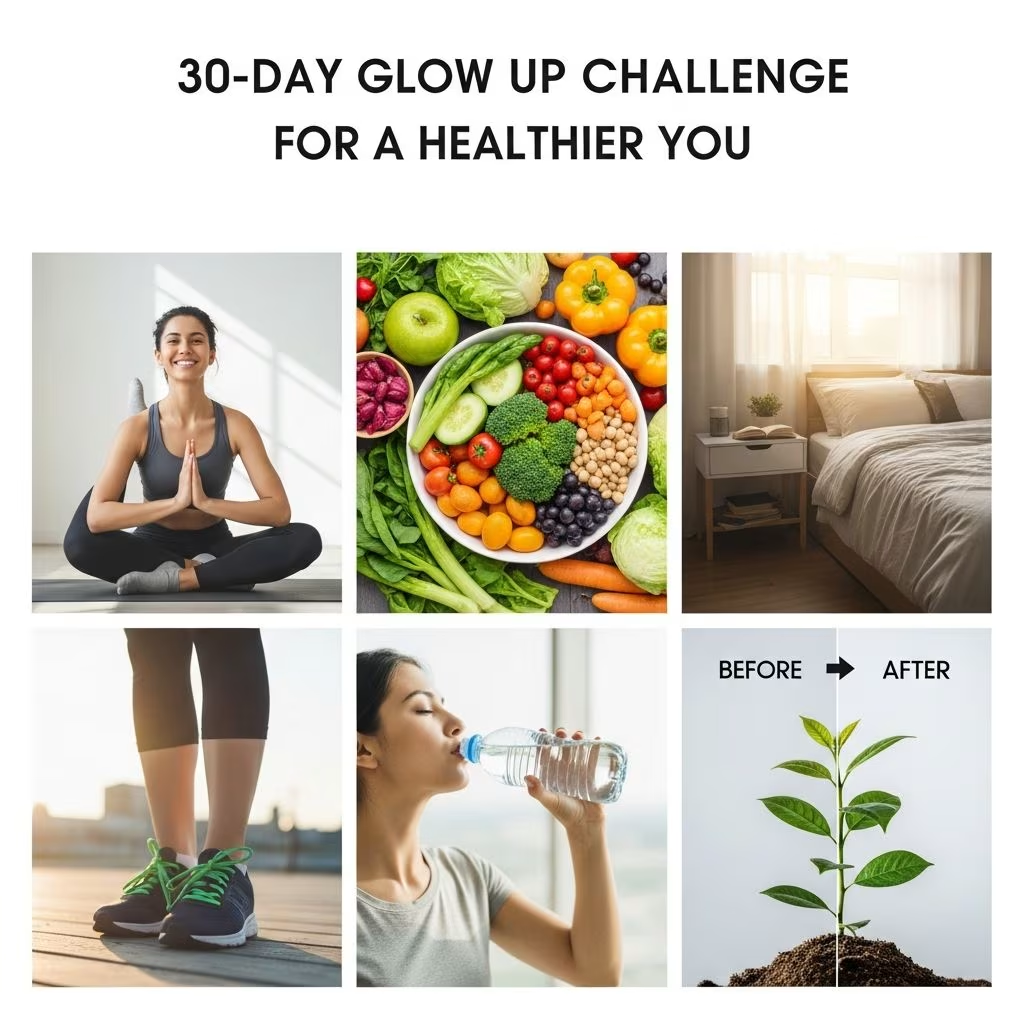
Ready for a realistic, sustainable 30 day glow up challenge that focuses on your mental, physical, and even financial health? This plan mirrors the spirit of Clever Girl Finance’s glow up challenge by helping you improve how you look, feel, and live, one small habit at a time.
Instead of quick fixes, these 30 ideas focus on science-backed habits like better sleep, more movement, stress reduction, and money confidence, all of which are linked to better long-term health and wellbeing.
How this 30 day glow up challenge works
This challenge is designed for your whole self:
- Physical health: movement, skincare, sleep, hydration, nutrition
- Mental and emotional health: stress relief, mindfulness, relationships, boundaries
- Financial glow up: savings, goals, and money habits that reduce stress
You can follow the days in order or mix and match. The goal is consistency over perfection—even a few changes can make a noticeable difference over 30 days.
| Area | Focus in the challenge | Example daily action |
|---|---|---|
| Body | Energy, strength, appearance | Walk 20 minutes, stretch, drink water |
| Mind | Stress, focus, mood | Journal, read, deep breathing |
| Money | Security, clarity, confidence | Open savings, map goals, small transfers |
Day 1: Cut the caffeine (or cut back)
Start your glow up by gently reducing caffeine, especially in the afternoon and evening. High caffeine intake and drinking it late in the day can disrupt sleep quality and increase anxiety in some people, which affects your mood, skin, and overall energy.
- Switch one cup of coffee to herbal tea or water.
- Aim to avoid caffeine at least 6 hours before bedtime.
- Notice how your body feels over a few days.
Day 2: Write in a journal every day
Daily journaling is a powerful way to organize your thoughts, process emotions, and reduce stress. Research shows that expressive writing can improve mental wellbeing and even support physical health markers in some people.
- Spend 5–10 minutes writing freely about your day or feelings.
- Try prompts like: “What do I need more of?” or “What am I proud of today?”
- Keep your journal somewhere visible to build the habit.
Day 3: Try deep breathing exercises
Slow, intentional breathing can calm your nervous system and help manage stress. Controlled breathing has been associated with reduced stress and anxiety by influencing heart rate and the body’s relaxation response.
- Try 4-4-6 breathing: inhale 4 seconds, hold 4, exhale 6, repeat for 5 minutes.
- Use deep breathing before bed or during stressful moments.
Day 4: Wash and moisturize your face before bed
A simple nighttime skincare routine helps your skin repair itself overnight. Cleansing removes pollution, sunscreen, and makeup, while moisturizing supports the skin barrier, which is key for softness and glow.
- Use a gentle cleanser suitable for your skin type.
- Apply a moisturizer after washing to lock in hydration.
- Aim to make this a non-negotiable step every night.
Day 5: Use a face mask or scrub
Once or twice a week, give your skin a little extra attention with a mask or scrub. Exfoliation and targeted treatments can improve skin texture and appearance when used appropriately for your skin type.
- Choose a gentle scrub or chemical exfoliant; avoid harsh over-scrubbing.
- Clay or hydrating masks can support either oil control or moisture.
- Pair mask time with relaxing music or a podcast for a mini spa moment.
Day 6: Give yourself a scalp massage
Scalp massages are relaxing and can help increase local blood flow. Some small studies suggest that regular scalp massage may support hair thickness over time, though results vary by person.
- Use your fingertips to gently massage your scalp in circular motions for 5 minutes.
- Optionally add a few drops of hair oil if it suits your hair type.
Day 7: Use sunscreen daily to glow for years
Daily sunscreen is one of the most powerful long-term glow up tools. Ultraviolet radiation from the sun accelerates skin aging, causes wrinkles, and increases the risk of skin cancer.
- Use a broad-spectrum SPF 30 or higher on your face, neck, and exposed skin.
- Apply 15 minutes before going outside and reapply every 2 hours if outdoors.
- Combine with hats or shade when UV is very high.
Day 8: Use calming scents to reduce stress
Aromas like lavender or chamomile can be soothing for many people. Calming scents may support relaxation and perceived stress reduction for some, especially when paired with other healthy habits like breathing exercises.
- Use a candle, diffuser, or pillow spray with a scent you enjoy.
- Incorporate it into an evening wind-down routine.
Day 9: Drink plenty of water
Staying hydrated supports energy, concentration, digestion, and healthy skin. While exact needs vary, many adults benefit from regularly sipping water throughout the day.
- Keep a water bottle nearby and sip consistently.
- Add slices of fruit or herbs if you prefer flavored water.
- Use gentle reminders or phone alarms if you often forget.
Day 10: Clean out a disorganized area
Cluttered spaces can increase feelings of stress and overwhelm. Tidying even one small area can make your environment feel calmer and more supportive of your goals.
- Choose one: a drawer, your desk, bathroom counter, or your bag.
- Sort items into keep, donate, recycle, and trash.
- Enjoy the mental lift from a clearer space.
Day 11: Swap unhealthy snacks for healthy ones
Balanced snacks can help stabilize energy and reduce cravings. Choosing nutrient-dense foods like fruits, vegetables, nuts, and yogurt supports overall health and can help you feel more energized.
- Replace one processed snack with a whole food option.
- Prep grab-and-go options like cut veggies, boiled eggs, or nuts.
Day 12: Spend time outdoors daily
Spending time outside, especially in green spaces, is associated with better mood, reduced stress, and improved overall wellbeing.
- Take a 10–20 minute walk, sit on a balcony, or relax in a park.
- Leave your phone in your pocket and notice what you see, hear, and feel.
Day 13: Finish tasks you’ve procrastinated on
Lingering tasks drain mental energy. Completing them can give you an instant confidence and clarity boost.
- Make a list of 3–5 small tasks you’ve been delaying.
- Set a 60-minute timer and do as many as you can.
- Celebrate every item checked off.
Day 14: Send a thank-you message
Expressing gratitude strengthens relationships and is linked to increased happiness and life satisfaction.
- Text, call, or email someone to thank them for something specific.
- It could be a friend, colleague, mentor, or family member.
Day 15: Get a manicure or pedicure (DIY or salon)
Caring for your hands and feet is a simple act of self-respect and can make you feel more polished and put-together.
- Trim, file, and moisturize your nails and cuticles.
- Add polish if you like, or keep them clean and natural.
Day 16: Phone a friend
Social connection is a major pillar of mental health. Strong relationships are linked with better mental and physical health outcomes.
- Call or voice-note someone you miss.
- Focus on really listening and catching up, not multitasking.
Day 17: Open up a savings account
Your financial glow up is part of your overall health. Not having emergency savings is a major source of stress for many people. A separate savings account makes it easier to build a cushion over time.
- Open a dedicated savings or emergency fund account if you do not have one.
- Start with any amount you can—$20, $50, or more.
- Set up an automatic monthly or weekly transfer, even if small.
Day 18: Do push-ups before watching TV
Short bursts of strength training can support muscle, bone health, and metabolism. You can pair a habit you enjoy (TV) with one that benefits your body (movement) to make it stick.
- Before you hit play, do a set of push-ups or another bodyweight move.
- Modify on your knees or against a wall if needed.
Day 19: Stretch daily
Regular stretching helps maintain flexibility and may reduce muscle tension and stiffness, especially if you sit a lot.
- Spend 5–10 minutes stretching your neck, shoulders, hips, and legs.
- Try a short beginner yoga or mobility video if you prefer guidance.
Day 20: Try self-tanner if you enjoy a glow
If you like the look of a tan, self-tanner is a safer alternative to tanning beds or unprotected sun exposure, which increase skin cancer risk and accelerate skin aging.
- Exfoliate first and follow product instructions carefully.
- Focus on an even, subtle finish instead of a drastic change.
Day 21: Give yourself a bedtime and stick to it
Good sleep is foundational to a real glow up. Inadequate sleep is linked to higher risk of chronic conditions, impaired concentration, and mood changes.
- Choose a realistic bedtime that allows 7–9 hours of sleep.
- Create a wind-down routine: dim lights, no heavy screens 30–60 minutes before bed.
Day 22: Snooze negative influences
Who and what you consume online and offline affects how you feel about yourself. Reducing exposure to constant negativity or comparison can improve your mood and self-esteem.
- Mute or unfollow accounts that make you feel worse, not better.
- Set boundaries with people who drain your energy.
Day 23: Read a real book or magazine
Reading long-form content builds focus and offers a break from constant scrolling. Many people find that reading supports relaxation and lifelong learning.
- Pick up a physical book, magazine, or printed article.
- Try self-help, memoir, finance, or fiction—anything that genuinely interests you.
Day 24: Try teeth whitening
A brighter smile can make you feel more confident in social and professional situations. Options range from whitening toothpaste to professional treatments.
- Start with gentle over-the-counter options if suitable for your teeth.
- Consult a dentist before stronger treatments, especially if you have sensitivity.
Day 25: Get a haircut or new hairstyle
Fresh hair can make you feel like a new person. A trim, shape, or style change can instantly refresh your look and boost self-confidence.
- Book a trim if it has been a while, or try a new part, style, or protective look.
- Ask for a style that works with your lifestyle and texture.
Day 26: Go green at the office (or workspace)
Adding plants, reusing items, or reducing waste at work can make your space feel calmer and more intentional. Plants and natural elements have been associated with improved mood and perceived productivity in some environments.
- Add a low-maintenance plant or use a reusable mug or bottle.
- Digitize documents where possible to cut clutter.
Day 27: Eat your veggies first
Vegetables provide essential vitamins, minerals, and fiber. Aiming to fill more of your plate with vegetables supports long-term health and weight management.
- At meals, eat your vegetables first to ensure you get them in.
- Experiment with roasting, seasoning, or sauces you enjoy.
Day 28: Mix up your makeup routine
Changing your makeup can be a light-hearted way to play with your appearance and express yourself. Your glow up is about having fun with your look, not perfection.
- Try a new lip color, brow style, or application technique.
- Focus on enhancing features you love, not hiding perceived flaws.
Day 29: Map out your financial goals
Glowing up includes feeling secure and purposeful with your money. Financial goal setting is linked to better saving behavior and more intentional spending.
- Write down 3 money goals (for example: emergency fund, debt payoff, investing).
- Assign each goal a timeline and rough monthly amount.
- Pick one small step you can take this week.
Day 30: Make time for exercise
Movement is one of the most impactful glow up tools for both body and mind. Regular physical activity supports heart health, mood, sleep, and weight management.
- Choose an activity you actually enjoy: walking, dancing, yoga, strength training, or a sport.
- Commit to at least 20 minutes today and set a realistic weekly target.
- Consider a workout buddy or class if you like accountability.
Putting your 30 day glow up together
Not every habit will stick, and that is okay. The point of this 30 day glow up challenge is to discover what genuinely helps you feel healthier, calmer, and more confident—then keep the habits that fit your life.
- Choose 3–7 habits you want to continue long-term.
- Schedule them into your calendar as recurring reminders.
- Revisit this challenge anytime you need a reset.
Frequently Asked Questions (FAQs)
Q: Do I have to follow the 30 days in order?
No. You can follow the days in order or mix and match based on your needs. The structure gives you ideas, but your glow up should be flexible and realistic for your life.
Q: How much time does this glow up challenge take each day?
Most tasks take between 5 and 30 minutes. Some are one-time actions (like opening a savings account or getting a haircut), while others become ongoing habits like drinking water, exercising, or journaling.
Q: Can I repeat or extend the challenge?
Yes. You can repeat all 30 days, focus on one category (like fitness or finances), or turn your favorite tasks into a 60- or 90-day personal challenge.
Q: What if I miss a day?
Just pick up where you left off. Skipping a day does not erase your progress. Glow ups are about gradual change, not perfection.
Q: How does this challenge help my finances?
Tasks like opening a savings account and mapping financial goals are small but powerful steps toward reducing money stress and building security, which supports your overall wellbeing.
References
- Physical Activity Guidelines for Americans, 2nd edition — U.S. Department of Health and Human Services. 2018-11-01. https://health.gov/sites/default/files/2019-09/Physical_Activity_Guidelines_2nd_edition.pdf
- Sun Protection — Centers for Disease Control and Prevention (CDC). 2023-04-06. https://www.cdc.gov/cancer/skin/basic_info/sun-safety.htm
- Water, Hydration and Health — Popkin BM, D’Anci KE, Rosenberg IH. Nutrition Reviews. 2010-08-01. https://academic.oup.com/nutritionreviews/article/68/8/439/1923096
- 30-Day Challenges: Are They a Good Idea? — American Council on Exercise (ACE). 2019-06-01. https://www.acefitness.org/resources/everyone/blog/7217/30-day-challenges-are-they-a-good-idea/
- Gratitude and Well-Being: A Review and Theoretical Integration — Wood AM, Froh JJ, Geraghty AW. Clinical Psychology Review. 2010-11-01. https://doi.org/10.1016/j.cpr.2010.03.005
- Insufficient Sleep Is a Public Health Problem — Centers for Disease Control and Prevention (CDC). 2017-05-02. https://www.cdc.gov/sleep/about_sleep/chronic_disease.html
- Stress and Health: Psychological, Behavioral, and Biological Determinants — Schneiderman N, Ironson G, Siegel SD. Annual Review of Clinical Psychology. 2005-04-01. https://doi.org/10.1146/annurev.clinpsy.1.102803.144141
This article is general information, not personal financial advice. Consider your own situation, or speak with a licensed adviser, before acting on it.


