

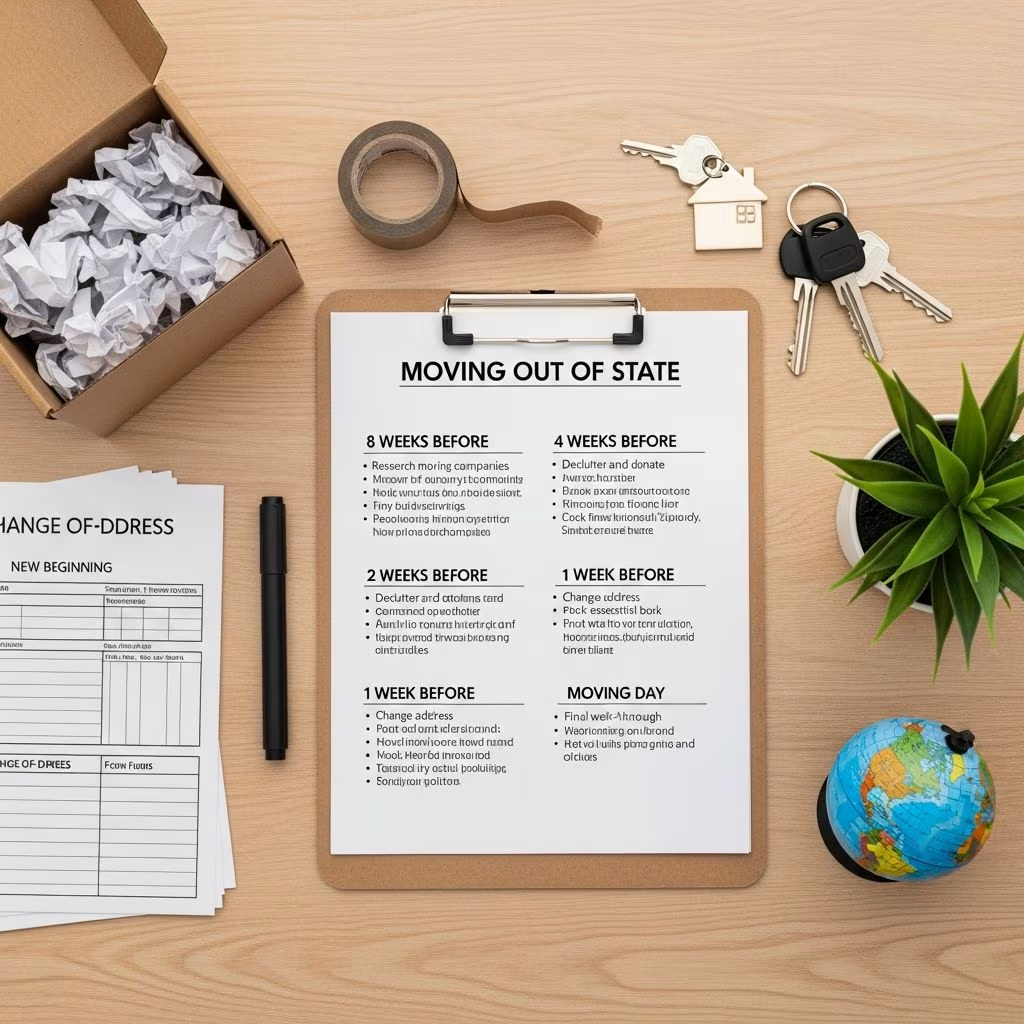
Relocating to a new state can be exciting, but it is also a major financial and logistical project. A clear, timeline-based checklist can help you stay organized, avoid costly mistakes, and feel more in control of the move.
This guide walks through a moving out of state checklist from a few months before you leave right through to your first weeks in your new home. You will learn how to research your new location, build a moving budget, compare moving options, and handle paperwork like residency rules and licenses while keeping expenses as low as possible.
Before You Start: Clarify Your Move and Gather Information
Before you start packing, take time to clarify the big picture and gather the information you need. Early planning reduces stress and can significantly cut costs because you have more time to compare prices and avoid rush fees.
- Confirm your timeline – Know your approximate move-out and move-in dates so you can reverse-engineer your checklist and budget.
- Understand why you are moving – A job, school, family, or lifestyle change each affects where you live, how much you spend, and how flexible your timing is.
- Talk to your employer – Ask about relocation benefits, relocation bonuses, or remote work options that could impact where you live and how you move.
Research from the U.S. Census Bureau shows that work, family reasons, and housing are the most common drivers of interstate moves, which means your budget and planning should reflect which of these matters most to you.
6–3 Months Before Moving Out of State
Several months before your move is the ideal time to research your new area, understand state-specific rules, and start building your moving budget. At this stage, you are mostly planning and setting up the financial and logistical foundation.
1. Research your new state and city
Begin by getting a big-picture view of where you are going so you can make smart choices about housing, transportation, and everyday expenses.
- Cost of living – Compare typical housing, utilities, food, and transportation costs. Government and academic resources regularly publish cost of living data and local wage information, which can help you set a realistic post-move budget.
- Job market and wages – If you are changing jobs, look at local unemployment rates and median wages so you can negotiate pay that matches local conditions.
- Neighborhoods – Narrow down neighborhoods by safety, commute time, access to transit, and amenities that matter to you (parks, schools, shops).
- Schools and childcare – For families, review school ratings, enrollment deadlines, and childcare costs and availability.
2. Look into state residency and tax rules
Every state has its own rules about when you are considered a resident and how you are taxed. Understanding these rules ahead of time can prevent problems with income taxes, property taxes, and voting.
- Residency requirements – Find out how long you must live in the state before you are considered a resident for tax, tuition, and licensing purposes. State revenue or tax department websites explain these rules.
- State income tax – Some states have no income tax, while others tax wages and investment income. Moving can change how much you owe, so review new-state tax rules and any part-year resident rules.
- Driver’s license and vehicle registration deadlines – Many states require you to update your license and registration within a set number of days after moving (for example, 30–90 days). Check deadlines and required documents.
- Voter registration – Note how and when you will need to register to vote in your new state to avoid missing important elections.
3. Start your moving budget and track expenses
Moves are often more expensive than expected, but planning and tracking costs can help you stay in control. Consumer surveys and industry data show that long-distance moves with professional movers can easily run into the thousands of dollars, especially for larger homes and longer distances.
Create a simple moving budget using a spreadsheet or budgeting app. Include all expected costs and add a buffer for surprises.
Common expenses for your moving out of state checklist
- Professional movers or rental truck fees
- Moving insurance or additional coverage
- Gas, highway tolls, and routine car maintenance
- Flights, hotels, or short-term rentals during the move
- Meals on the road and groceries for your first weeks
- Cleaning costs for your old and new homes
- First and last month’s rent and security deposit (for renters)
- Down payment and closing costs (for buyers)
- Utility deposits and connection fees
- Fees for updated licenses, registrations, and other paperwork
- Moving supplies: boxes, tape, protective wrap, labels
- Pet transportation and boarding, if needed
As you get quotes and make purchases, record every cost and compare it to your original estimates. Adjust your budget or timeline if you see spending getting too high.
8–6 Weeks Before Your Move
As moving day gets closer, you will shift from research to action. This stage focuses on choosing how you will move, refining your budget, and preparing both your old and new homes.
1. Decide how you will move: DIY vs professional movers
The cheapest way to move out of state is typically to move your belongings yourself, but it is not always the best choice for every household. Compare your options carefully:
| Option | Pros | Cons |
|---|---|---|
| Full-service movers | Least physical work; packing and loading support; faster and more predictable | Most expensive; must schedule early; less flexible about timing |
| Self-pack with moving company transport | Cost savings vs full service; professionals still drive; you control packing | Requires time and effort for packing; costs vary with space used |
| DIY truck rental | Often cheapest for shorter or smaller moves; high control over schedule | Driving a large truck long-distance; fuel and insurance add up; more physically demanding |
| Shipping containers or freight | Flexible timing; can load over several days; often mid-range pricing | May require local storage or parking space; delivery timing windows |
- Get at least three written quotes if you are considering professional movers.
- Confirm what is included: packing, loading, insurance, fuel, stairs, and special handling.
- Check licensing and complaints for interstate movers with official registries or consumer protection agencies.
2. Declutter, sell, and donate
Moving less is one of the easiest ways to save money. Use this time to go through your home systematically.
- Sort room by room – Divide items into keep, sell, donate, recycle, and discard.
- Sell valuable items – Furniture, electronics, and tools can often be sold online or through a garage sale to offset moving costs.
- Donate usable goods – Clothing, cookware, and small appliances may be accepted by local charities; many offer free pickup for larger items.
- Safely dispose of hazardous items – Paint, chemicals, and certain batteries cannot be moved easily and need special disposal according to local rules.
3. Arrange housing in your new state
Ideally, you will have your new home lined up before you leave your current one. This helps you avoid paying for extended temporary housing.
- Renters – Review leases carefully, confirm move-in dates, and clarify any pet policies, parking, and fees.
- Homebuyers – Coordinate closing dates, inspections, and walk-throughs with your lender and real estate agent.
- Temporary housing – If there will be a gap, research short-term rentals, extended-stay hotels, or staying with family or friends.
4–2 Weeks Before Moving Out of State
The final weeks before your move are about locking in logistics, packing most of your home, and handling time-sensitive paperwork.
1. Schedule utilities and home services
Plan for an overlap period so you are not stuck without essential services.
- Old home – Schedule disconnection dates for electricity, gas, water, trash, internet, and cable for a day or two after you leave, in case of delays.
- New home – Schedule connections for utilities a day or two before you arrive so you have lights, heating or cooling, and internet on day one.
- Deposits and fees – Many utility companies require deposits or connection fees for new customers; add these to your budget.
2. Handle important records and documents
Keeping documentation organized reduces headaches later and can be critical for school enrollment, healthcare, and taxes.
- Create a moving binder or digital folder with contracts, receipts, and checklists.
- Gather personal records: birth certificates, Social Security cards, passports, and marriage certificates.
- Medical and dental records – Request copies or transfers to your new providers and ask for a list of current prescriptions.
- School records – Arrange for transcripts and records to be sent to new schools or daycare centers.
- Pet records – Obtain vaccination and health certificates if required by your new state or landlord.
3. Update financial and insurance information
Your move may change your insurance needs and how your bank or other financial institutions serve you.
- Bank and credit unions – Confirm branch and ATM access in your new state or consider switching to a bank with nationwide coverage.
- Credit cards and loans – Update your address to ensure accurate billing and fraud alerts.
- Health insurance – Confirm your health plan network in your new state or review options through your employer or health marketplaces.
- Auto and renters/home insurance – Premiums and coverage requirements vary by state; update your location and coverage levels.
4. Start packing and label everything
Begin with items you do not need every day and work toward essentials as you get closer to moving day.
- Gather supplies – Boxes, strong tape, bubble wrap or paper, and permanent markers.
- Pack by room – Clearly label each box with its room and key items (e.g., “Kitchen – dishes & pans”).
- Protect fragile items – Wrap breakables carefully and mark boxes as fragile.
- Photograph electronics setups – Take pictures of cable connections for easy reassembly.
1 Week Before Moving Day
During the last week, focus on final confirmations, essential items, and preparing your current home for move-out.
1. Confirm details with movers or rental companies
- Verify arrival time and date for movers or pickup times for rented trucks or containers.
- Review your inventory and any high-value items that may need special handling or extra insurance.
- Confirm payment method and due dates for your moving services.
2. Prepare a travel plan and decide whether to ship your car
Depending on distance and timing, you may need to decide between driving and shipping your vehicle.
- Driving – Plan your route, book hotels along the way, and have your car serviced (oil, fluids, tires) before a long trip.
- Shipping – Get quotes from licensed auto transport companies, compare open vs enclosed transport options, and confirm pickup and delivery windows.
- Travel budget – Include gas, lodging, meals, and any parking or toll costs.
3. Pack an essentials box or suitcase
Pretend your boxes will arrive a few days after you do and pack accordingly.
- Several days of clothing and sleepwear
- Basic toiletries and medications
- Important documents and a list of emergency contacts
- Chargers and small electronics
- Snacks, water bottles, and basic kitchen items like a few plates and utensils
- Cleaning wipes, paper towels, and trash bags
4. Clean and prepare your old home
- Renters – Deep clean, patch small holes, and take date-stamped photos to support return of your security deposit.
- Homeowners – Leave the home in agreed-upon condition for buyers and complete any required repairs.
Moving Day and Travel
Moving day will likely be busy, but having a clear plan can keep it manageable.
- Walk through each room to confirm nothing is left behind.
- Check that boxes are correctly labeled and fragile items are loaded securely.
- Keep your essentials bag, valuables, and important documents with you rather than in the moving truck.
- Do a final meter reading or note photos of utilities, if useful for billing questions later.
Arrival and Your First Weeks in Your New State
Once you arrive, transition from moving mode to settling in. Use this part of the checklist to stay on top of legal and financial tasks while giving yourself time to get to know your new community.
1. Unpack strategically
- Start with bedrooms and bathrooms so everyone has a place to sleep and basic comfort.
- Set up the kitchen enough to prepare simple meals, which can quickly reduce spending on takeout.
- Work through boxes room by room; break down boxes and dispose of packing materials as you go to reduce clutter.
2. Update your address and registrations
- Submit a change-of-address form with the postal service to forward mail.
- Update your address on bank, credit card, and investment accounts.
- Update addresses on subscriptions, online shopping accounts, and streaming services.
- Follow your new state’s process to obtain a driver’s license and vehicle registration within required deadlines.
3. Finalize residency, tax, and voting details
- Review your state tax situation and keep records showing when you moved for part-year filings.
- Register to vote in your new state and confirm where your polling place is.
- Update your employer and payroll provider with your new address and state so taxes are withheld correctly.
4. Connect with your new community
Settling in is not only about paperwork; it is also about building a life in your new home.
- Explore local parks, libraries, and community centers.
- Look for local groups, classes, or clubs that match your interests.
- For families, introduce yourself to neighbors and connect with parent groups or school communities.
Expert Tip: Keep Your Finances in Focus
Moving out of state is a major financial event. One of the most powerful things you can do is regularly review your budget before, during, and after the move.
- Track all moving-related spending – This helps you identify areas where you may need to cut back or negotiate.
- Build or maintain an emergency fund – Even a modest cushion can make unexpected expenses less stressful.
- Look for ways to boost income temporarily – Selling items you do not need or taking on short-term extra work can help cover moving costs.
- Review your new cost of living – Adjust your ongoing budget to reflect higher or lower housing, transportation, or tax costs in your new state.
Create a Moving Budget You Can Stick To
Because moving costs add up quickly, treat your move like a short-term financial project with its own budget and goals.
- List every expected expense in categories such as housing, transportation, movers, supplies, and fees.
- Gather estimates and quotes to replace guesswork with realistic numbers.
- Set a total spending cap and prioritize what matters most to you (speed, convenience, or lowest cost).
- Add a 10–20% buffer for unexpected costs like last-minute repairs, extra boxes, or schedule changes.
By combining this timeline-based moving out of state checklist with a clear budget, you can reduce stress, protect your finances, and settle into your new home with confidence.
Frequently Asked Questions (FAQs)
Q: How far in advance should I start planning a move out of state?
A: Aim to start planning at least 3–6 months before your intended move date. This gives you time to research your new state, compare moving options, and build a realistic budget without rush fees.
Q: What is the cheapest way to move out of state?
A: The least expensive approach is usually a DIY move where you pack and load your belongings yourself and rent a truck or use a shipping container service. However, you should weigh the savings against the time, physical effort, and potential risk of damage when you do not use professionals.
Q: How much money should I save before moving to another state?
A: Try to save enough to cover your estimated moving costs, a security deposit and first month’s rent or closing costs, utility deposits, travel expenses, and at least one to three months of living expenses as a cushion. Exact amounts will depend on distance, home size, and the cost of living in your new area.
Q: When do I need to update my driver’s license and vehicle registration?
A: Deadlines vary by state, but many require new residents to obtain a local driver’s license and register vehicles within a set period (commonly 30–90 days). Check your new state’s official motor vehicle or licensing agency website for exact requirements.
Q: How can I keep my move organized and less stressful?
A: Use a written or digital moving checklist broken out by timeline, keep a moving binder or shared drive for receipts and contracts, label boxes by room, and regularly review your budget. Breaking the move into small, time-bound tasks helps keep it manageable.
References
- Geographical Mobility: 2021 to 2022 — U.S. Census Bureau. 2023-03-09. https://www.census.gov/library/publications/2023/demo/p20-587.html
- Cost of Living Data Series — U.S. Bureau of Labor Statistics. 2024-01-16. https://www.bls.gov/data/#prices
- Moving to Another State — Internal Revenue Service (IRS). 2022-11-18. https://www.irs.gov/individuals/moving-to-another-state
- Moving 101: Interstate Moves — Federal Motor Carrier Safety Administration (FMCSA). 2023-06-21. https://www.fmcsa.dot.gov/protect-your-move/moving-101-interstate-moves
- Tips for Hiring a Mover — Federal Motor Carrier Safety Administration (FMCSA). 2024-02-08. https://www.fmcsa.dot.gov/protect-your-move/tips-hiring-mover
- Marketplace Health Plans — U.S. Centers for Medicare & Medicaid Services (HealthCare.gov). 2023-11-01. https://www.healthcare.gov/glossary/marketplace/
This article is general information, not personal financial advice. Consider your own situation, or speak with a licensed adviser, before acting on it.


