

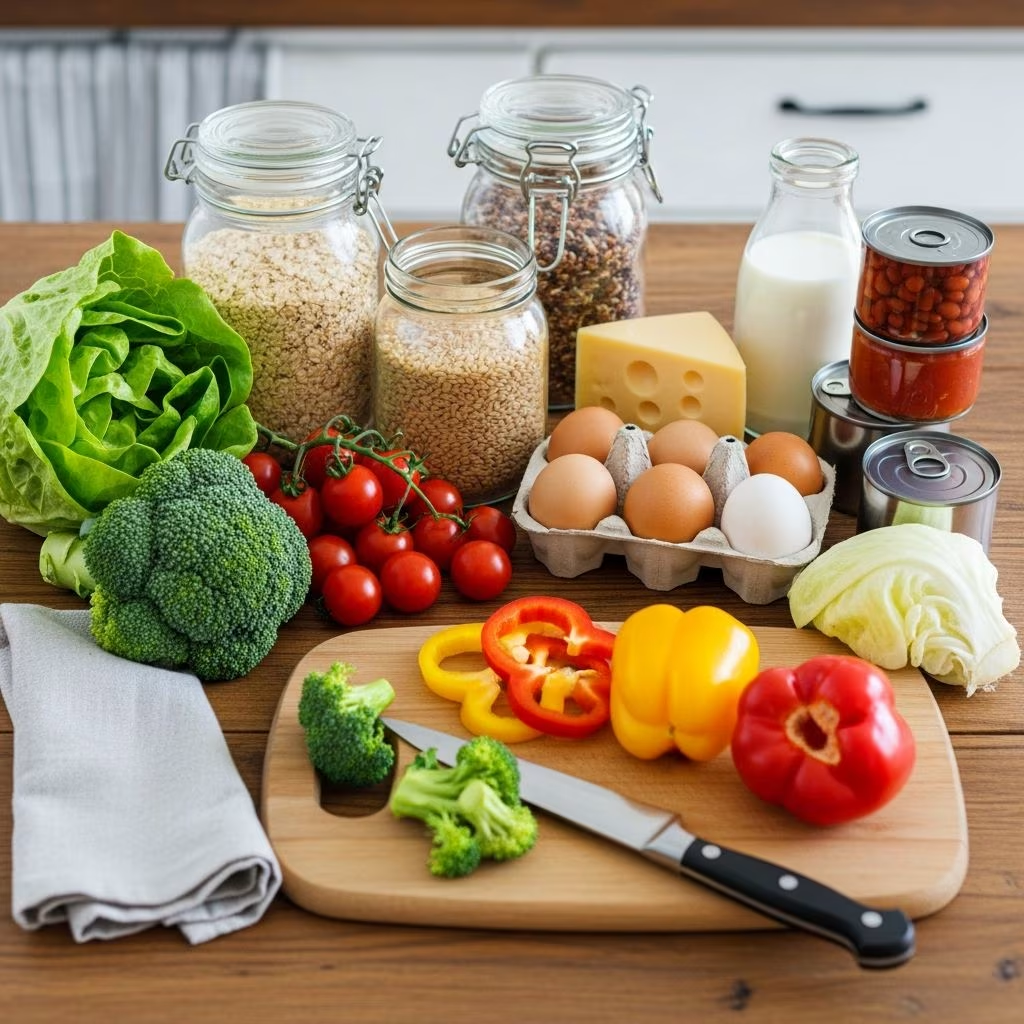
Food is one of the biggest line items in most household budgets, but a smart frugal meal plan can dramatically cut costs without sacrificing flavor or nutrition. Thoughtful planning, strategic shopping, and simple recipes help you avoid impulse buys, food waste, and last-minute takeout, all of which are major budget drains.
Below are 8 practical frugal meal plans you can mix and match, plus money-saving tips and answers to common questions about meal planning on a budget.
Why Frugal Meal Planning Works
Before diving into specific meal plans, it helps to understand why planning your meals is so effective for saving money and time.
- Reduces impulse purchases: Going to the store with a list linked to a meal plan helps you avoid picking up extra items you do not need.
- Cuts food waste: When you already know how you will use what you buy, less food spoils in the fridge. The USDA estimates that 30–40% of the food supply is wasted, much of it at the retail and consumer level, so planning meals can make a big difference for your wallet and the environment.
- Saves time: Having meals pre-planned means less time wondering what to cook and fewer last-minute grocery trips or takeout orders.
- Supports healthier eating: Meal planning has been associated with better diet quality and more home-cooked meals. A study in International Journal of Behavioral Nutrition and Physical Activity found that meal planners were more likely to have a varied, nutritionally balanced diet compared with non-planners.
Even small changes—like swapping one restaurant meal a week for a budget-friendly home-cooked dinner—can add up over time.
Frugal Meal Plan #1: Pantry-First Meal Plan
The pantry-first approach starts by using what you already have before buying more. This is one of the fastest ways to save money because you are effectively turning existing items into complete meals.
How the Pantry-First Plan Works
- Take a quick inventory of shelf-stable items (rice, pasta, canned beans, lentils, canned tomatoes, spices).
- Check your freezer for meat, vegetables, bread, or leftovers you can build meals around.
- Plan a week of meals that use those ingredients as the base.
- Only buy fresh items and a few missing ingredients needed to complete recipes.
Sample Pantry-First Menu
- Chickpea and tomato pasta with garlic and herbs
- Rice and beans with frozen vegetables
- Lentil soup with canned tomatoes and spices
- Omelets or frittata using leftover vegetables and cheese
This strategy is especially helpful when you want to have a low-spend or “no-spend” week on groceries because it stretches what you already own.
Frugal Meal Plan #2: Vegetarian (Or Mostly Meatless) Meal Plan
Meat is usually one of the most expensive items in a grocery cart. Shifting to a vegetarian or mostly meatless meal plan for even a few days per week can significantly cut your food bill.
Benefits of a Meatless Plan
- Lower cost per serving: Beans, lentils, eggs, and tofu are typically cheaper protein sources than meat on a per-gram basis.
- Health benefits: Plant-forward eating patterns are associated with lower risk of chronic diseases like heart disease and type 2 diabetes according to major health organizations.
- Flexible and filling: Simple dishes like bean chili or lentil curry are inexpensive, filling, and freeze well.
Sample Vegetarian Budget Menu
- Black bean tacos with cabbage slaw
- Lentil and vegetable curry over rice
- Vegetable pasta with tomato sauce and chickpeas
- Egg fried rice with frozen mixed vegetables
You do not have to go fully meat-free. Start with one or two meatless days each week and increase as it fits your budget and preferences.
Frugal Meal Plan #3: One-Pot and Sheet-Pan Meal Plan
If you are short on time and hate doing dishes, a one-pot or sheet-pan meal plan is ideal. These meals are cooked in a single pot, pan, or baking sheet, saving you both time and energy.
Why One-Pot Meals Are Frugal
- Less cleanup means you are more likely to cook at home consistently.
- Recipes often use inexpensive staples like rice, pasta, beans, and basic vegetables.
- Many one-pot meals make large batches that are easy to portion for lunches.
Sample One-Pot & Sheet-Pan Ideas
- One-pot pasta with tomatoes, spinach, and white beans
- Chicken, potato, and carrot sheet-pan dinner
- One-pot bean and vegetable chili
- Sheet-pan roasted vegetables with sausages or tofu
Frugal Meal Plan #4: Cook Once, Eat Multiple Times
Cooking larger portions and repurposing leftovers can drastically reduce your kitchen workload and your grocery spending. This is sometimes called batch cooking or the “cook once, eat multiple times” plan.
Key Principles
- Choose 2–3 main dishes that reheat well, such as chili, stew, baked pasta, or roasted chicken.
- Cook big batches on one or two days of the week.
- Store portions in the fridge or freezer for later meals.
- Use different sides or toppings to make repeats feel fresh.
Sample Cook Once, Eat Multiple Times Table
| Base Dish | Day 1 | Day 2 | Day 3 |
|---|---|---|---|
| Large pot of chili | Chili with cornbread | Chili over baked potatoes | Chili nachos with cheese |
| Roast chicken | Roast chicken with vegetables | Chicken sandwiches or wraps | Chicken and vegetable soup |
This strategy works especially well for busy families, shift workers, or anyone who is tempted by takeout when tired.
Frugal Meal Plan #5: Freezer-Friendly Meal Plan
A freezer-friendly meal plan focuses on recipes that can be cooked in advance and frozen or assembled raw and then frozen for later cooking. This helps you take advantage of sales and prevents food from going to waste.
How to Use Your Freezer Strategically
- Buy meat and vegetables in bulk when they are on sale, then portion and freeze.
- Prepare double batches of soups, stews, or casseroles; eat half now and freeze half.
- Label each container with the name and date so items do not get lost.
- Rotate older items to the front to make sure you use them first.
Examples of Freezer-Friendly Meals
- Vegetable or chicken soup
- Bean and beef (or lentil) chili
- Pasta bakes or lasagna
- Breakfast burritos with eggs and beans
Frugal Meal Plan #6: Seasonal and Sales-Based Plan
Instead of planning meals first and then shopping, this plan starts with the sale flyers and seasonal produce. By building meals around discounted and in-season items, you can substantially reduce your total grocery bill.
Steps for a Seasonal & Sales-Based Plan
- Look at weekly sales from your local supermarkets, either online or in their apps.
- Note which proteins, pantry staples, and produce are discounted.
- Plan meals that feature those sale items as the main component.
- Stock up modestly on non-perishables (like rice, oats, or canned goods) when the prices are especially low.
Examples
- If chicken thighs are on sale, plan for baked chicken, stir-fry, and chicken soup.
- If cabbage and carrots are cheap, make slaw, stir-fry, and a vegetable soup.
- In summer, base meals on fresh, inexpensive produce like tomatoes, zucchini, and corn.
Frugal Meal Plan #7: Simple Repeating Meal Plan
A repeating meal plan uses the same basic rotation week after week or month after month. This simplifies grocery shopping and makes it easier to predict costs.
Why Repetition Saves Money
- You learn exactly which ingredients you need and in what quantities, reducing waste.
- It is easier to spot sales and compare prices on your usual staples.
- Cooking becomes more efficient as you get familiar with the recipes.
Sample Weekly Rotation
- Monday: Pasta night
- Tuesday: Taco or burrito bowls
- Wednesday: Soup and bread
- Thursday: Stir-fry with rice
- Friday: Homemade pizza or flatbreads
- Saturday: Leftovers or breakfast-for-dinner
- Sunday: Roast or slow-cooker meal
You can still change up flavors and ingredients within each category while keeping the basic structure the same.
Frugal Meal Plan #8: Leftovers and Remix Plan
The leftovers and remix plan is all about making intentional leftovers and transforming them into new meals. This is one of the most powerful ways to prevent throwing food away and to avoid “leftover fatigue.”
How to Plan for Leftovers
- Cook larger dinners with the purpose of having extra portions.
- Store leftovers in clear containers so you can see what you have.
- Assign specific days (like Wednesday or Saturday) as “leftovers night.”
- Remix leftovers into new dishes so they do not feel repetitive.
Remix Ideas
- Grilled or roasted vegetables become quesadilla fillings or pasta toppings.
- Leftover chicken becomes chicken salad, wraps, or soup.
- Cooked rice turns into fried rice, grain bowls, or stuffed peppers.
General Money-Saving Tips For Any Frugal Meal Plan
Whichever of the eight plans you choose, a few universal strategies will help maximize your savings.
Plan Before You Shop
- Write a simple weekly plan before going to the store.
- Make a grocery list directly from your plan and stick to it to avoid impulse purchases.
- Avoid shopping when you are hungry to reduce temptation.
Use Unit Prices and Store Brands
- Compare the unit price (price per ounce, pound, or liter) on shelf labels to find the cheapest option.
- Choose store brands or generics for basics like rice, beans, oats, flour, and canned vegetables; they are usually cheaper but nutritionally similar to name brands.
Limit Processed and Convenience Foods
- Pre-cut produce, individually packaged snacks, and ready meals often cost more per serving than whole ingredients.
- Reserve convenience foods for special circumstances, not your everyday meals.
Store Food Safely to Reduce Waste
- Refrigerate or freeze leftovers promptly to keep them safe and extend their life.
- Use your freezer for bread, meat, and cooked grains you cannot finish in time.
- Keep an eye on perishables and plan to use them earlier in the week.
Putting It All Together: Sample 7-Day Frugal Meal Plan
This example combines several of the strategies above: pantry-first cooking, meatless meals, one-pot dishes, leftovers, and a repeating structure.
| Day | Breakfast | Lunch | Dinner |
|---|---|---|---|
| Monday | Oatmeal with frozen berries | Leftover soup or chili | One-pot pasta with beans and spinach |
| Tuesday | Eggs and toast | Bean and rice bowl with veggies | Taco night (beans or ground meat, cabbage slaw) |
| Wednesday | Yogurt with oats or granola | Leftovers from Tuesday | Vegetable and lentil soup with bread |
| Thursday | Peanut butter toast and fruit | Soup and salad | Stir-fry with rice (use any leftover vegetables) |
| Friday | Oatmeal with banana | Fried rice using leftovers | Homemade pizza or flatbread with veggie toppings |
| Saturday | Breakfast burritos (eggs, beans) | Leftovers or sandwiches | Roast chicken or roasted chickpeas with vegetables |
| Sunday | Pancakes or waffles (double batch to freeze) | Leftover roast meal | Chili or hearty stew (make extra for the freezer) |
Adapt this template using your own favorite recipes and whatever ingredients you find on sale.
Frequently Asked Questions (FAQs)
Q: How much can I realistically save with frugal meal planning?
A: Savings vary by household, but people often cut their food spending by 10–30% by cooking at home more, reducing food waste, and planning around sales. If you currently eat out often or toss unused food, your savings could be even higher.
Q: Is it possible to eat healthy on a frugal meal plan?
A: Yes. Budget-friendly staples like beans, lentils, oats, frozen vegetables, and seasonal produce are typically very nutrient-dense and form the base of many healthy eating patterns. Planning ahead makes it easier to include fruits, vegetables, and whole grains in your meals.
Q: How do I start if meal planning feels overwhelming?
A: Start small. Plan just 2–3 dinners for the week, shop with a list, and build in one leftovers night. Once that feels manageable, expand your plan or adopt one of the eight structures above. Keeping meals simple and repetitive at first can help you build the habit.
Q: What if my family does not like leftovers?
A: Focus on “remix” strategies: turn roast chicken into wraps, chili into baked potato topping, or roasted vegetables into pasta sauce. Changing the format and seasoning can make leftovers more appealing while still saving money and time.
Q: Do I need special containers or equipment for frugal meal prep?
A: Not necessarily. Basic reusable containers, a large pot, a baking sheet, and a freezer-safe storage method are usually enough. Over time, you can invest in sturdy containers and maybe a slow cooker or pressure cooker if they fit your budget and cooking style.
References
- Meal Planning — Clever Girl Finance. 2024-01-01 (page updated date may vary). https://www.clevergirlfinance.com/category/saving-money/money-savings-tips/meal-planning/
- Meal Planning On A Budget! How To Do It! — Clever Girl Finance. 2023-03-15 (approximate). https://www.clevergirlfinance.com/meal-planning-on-a-budget/
- Food Waste FAQs — U.S. Department of Agriculture (USDA). 2024-05-01. https://www.usda.gov/foodwaste/faqs
- Meal planning is associated with food variety, diet quality and body weight status in a large sample of French adults — International Journal of Behavioral Nutrition and Physical Activity. 2017-02-08. https://doi.org/10.1186/s12966-017-0461-7
- Healthy Eating on a Budget — U.S. Department of Agriculture (USDA). 2023-06-01. https://www.myplate.gov/eat-healthy/healthy-eating-budget
- Dietary Guidelines for Americans, 2020–2025 — U.S. Department of Agriculture and U.S. Department of Health and Human Services. 2020-12-01. https://www.dietaryguidelines.gov/resources/2020-2025-dietary-guidelines-online-materials
- Food Safety: Leftovers and Food Safety — U.S. Department of Agriculture (USDA), Food Safety and Inspection Service. 2013-08-06. https://www.fsis.usda.gov/food-safety/safe-food-handling-and-preparation/food-safety-basics/leftovers-and-food-safety
This article is general information, not personal financial advice. Consider your own situation, or speak with a licensed adviser, before acting on it.


