

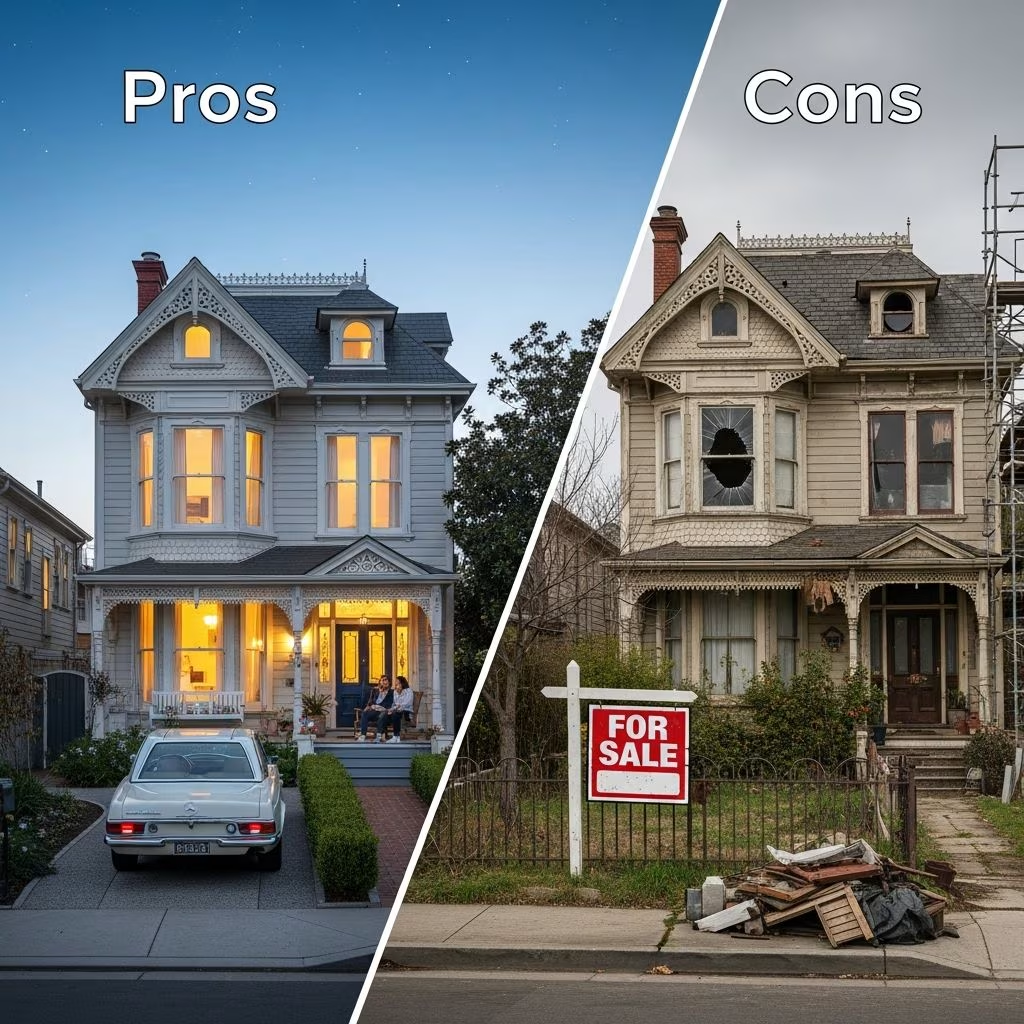
Acquiring a historic home offers a distinctive blend of aesthetic beauty, cultural depth, and financial promise, but it also demands commitment to preservation amid potential high costs and limitations. These properties, often over 50 years old and tied to significant architectural or historical contexts, attract buyers seeking character over cookie-cutter designs.
Irresistible Allure of Timeless Design
Historic residences captivate with features absent in contemporary builds, such as elaborate woodwork, high ceilings, and custom built-ins that reflect superior craftsmanship from bygone eras. These elements create an atmosphere of grandeur and individuality, turning everyday living into an immersion in artistry. Original materials like old-growth timber endure far longer than modern alternatives, providing a solid foundation that withstands time when properly cared for.
Buyers often describe the discovery of hidden details—like stained glass or ornate plaster—as endlessly rewarding, fostering a deep emotional connection to the space. Neighborhoods featuring these homes typically boast walkable access to urban amenities, shops, and dining, enhancing daily convenience while preserving a sense of community heritage.
Financial Upsides and Investment Strength
Properties in established historic districts frequently outperform newer homes in appreciation rates due to their scarcity and protected status, which shields them from disruptive developments. Data indicates homes in maintained historic areas can value at significantly higher rates per acre, bolstered by revitalization efforts and tourist appeal.
Restoration projects, while initial investments, often yield premium resale prices, especially when blending period authenticity with modern comforts. These homes hold value steadily through market fluctuations, making them reliable long-term assets for patient owners. Government incentives, including tax credits and low-interest loans in some regions, further sweeten the deal for preservation-minded buyers.
| Investment Factor | Historic Homes | Modern Homes |
|---|---|---|
| Appreciation Rate | Higher in districts | Variable, market-dependent |
| Resale Appeal | Premium for character | Broader but less unique |
| Incentives Available | Tax credits, grants | Fewer specialized programs |
Stewardship of Cultural Legacy
Owning such a property positions you as a guardian of history, preserving architectural styles, social narratives, and innovative construction techniques from past eras. Many are linked to notable figures, events, or design movements, offering residents a living narrative that educates and inspires. This role fosters pride and community bonds, as neighbors collaborate to uphold district standards, elevating collective property values.
- Connection to past architects and builders through tangible features.
- Contribution to local heritage tourism and cultural identity.
- Opportunity for personalization within preservation guidelines, merging old and new.
Practical Hurdles in Daily Living
Despite their charm, these homes present ongoing challenges, starting with unpredictable upkeep demands. Aging components like roofs, foundations, and plaster walls require specialized repairs using authentic materials, inflating costs beyond those of standard homes. Unexpected discoveries, such as outdated wiring or insulation gaps, frequently double initial budgets during renovations.
Creaky floors and settling structures add quirky character but can disrupt quiet households, alerting to every footstep. Energy inefficiency from single-pane windows and minimal insulation leads to higher utility bills, necessitating thoughtful upgrades to balance authenticity and comfort.
Navigating Strict Preservation Rules
Local historic commissions enforce guidelines that restrict alterations, from exterior paint colors to window replacements, ensuring visual harmony but curbing personal freedoms. Approvals for changes involve lengthy reviews, delaying projects and adding administrative burdens. These rules protect neighborhood aesthetics yet frustrate owners desiring modern expansions like additions or solar panels.
Non-compliance risks fines or reversal of improvements, underscoring the need for due diligence on district bylaws before purchase.
Financing and Insurance Complexities
Securing mortgages or insurance proves trickier, as lenders and providers scrutinize age-related risks like asbestos or lead paint. Specialized policies account for restoration values but command higher premiums. Buyers must seek experienced professionals familiar with historic properties to avoid coverage gaps or loan denials.
Who Thrives as a Historic Homeowner?
Ideal candidates embrace hands-on involvement, possess financial buffers for surprises, and value heritage over hassle-free living. Those passionate about history or craftsmanship find profound satisfaction in stewardship, often viewing maintenance as a labor of love rather than a chore. Conversely, families needing quick updates or low-maintenance setups may prefer newer constructions.
- Best for: History buffs, designers, long-term investors.
- Challenges for: Budget-conscious buyers, frequent renovators, privacy seekers.
Steps to Smart Historic Home Buying
Begin with thorough inspections by experts versed in vintage structures, uncovering issues like structural settling or hazardous materials early. Research district registries via local preservation offices to grasp rules and benefits. Budget conservatively—experts advise doubling estimates for remodels—and explore financing options tailored to historic purchases.
- Verify historic status and significance criteria (age, architecture, history).
- Consult realtors specializing in vintage properties.
- Plan for phased updates prioritizing safety and efficiency.
Frequently Asked Questions
What defines a historic home?
Typically built over 50 years ago, embodying unique architecture, historical events, or notable figures, often listed in local or national registries.
Do historic homes appreciate faster?
Yes, especially in protected districts, due to scarcity and demand for authenticity, outperforming some modern peers.
Are renovations restricted?
Yes, preservation boards approve changes to maintain integrity, but incentives offset compliant upgrade costs.
How costly is maintenance?
Higher than new homes due to specialized materials and labor; plan for frequent, premium investments.
Can I get a standard mortgage?
Often, but specialized lenders familiar with risks are preferable; insurance may require historic endorsements.
Weighing Your Decision Thoughtfully
Historic homeownership rewards with unparalleled character and potential gains but tests resolve with its demands. Assess your readiness for preservation duties against the joy of residing in architectural poetry. Professional guidance ensures this choice aligns with your vision and resources.
References
- The Pros & Cons of Buying a Home with a Past — Bekins Moving Solutions. 2023-12-07. https://www.bekins.com/2023/12/07/pros-cons-buying-historic-home/
- 10 Pros and Cons of Buying a Historic Home — Raleigh Realty. N/A. https://raleighrealty.com/blog/buying-historic-home-pros-and-cons
- Buying a historic home: The pros and cons — Rocket Mortgage. N/A. https://www.rocketmortgage.com/learn/buying-a-historic-home
- Navigate the Pros and Cons of Owning a Historic Home — BFP Planning & Interiors. N/A. https://bfpminc.com/pros-and-cons-of-buying-a-historic-home/
- Is it a good idea to buy a historic home? — Lindsey Harn Group. N/A. https://lindseyharngroup.com/is-it-a-good-idea-to-buy-a-historic-home-its-not-for-the-faint-of-heart-expert-says/
- Should You Buy a Historic Home? — HomeLight. N/A. https://www.homelight.com/blog/buyer-buying-a-historic-home/
This article is general information, not personal financial advice. Consider your own situation, or speak with a licensed adviser, before acting on it.


