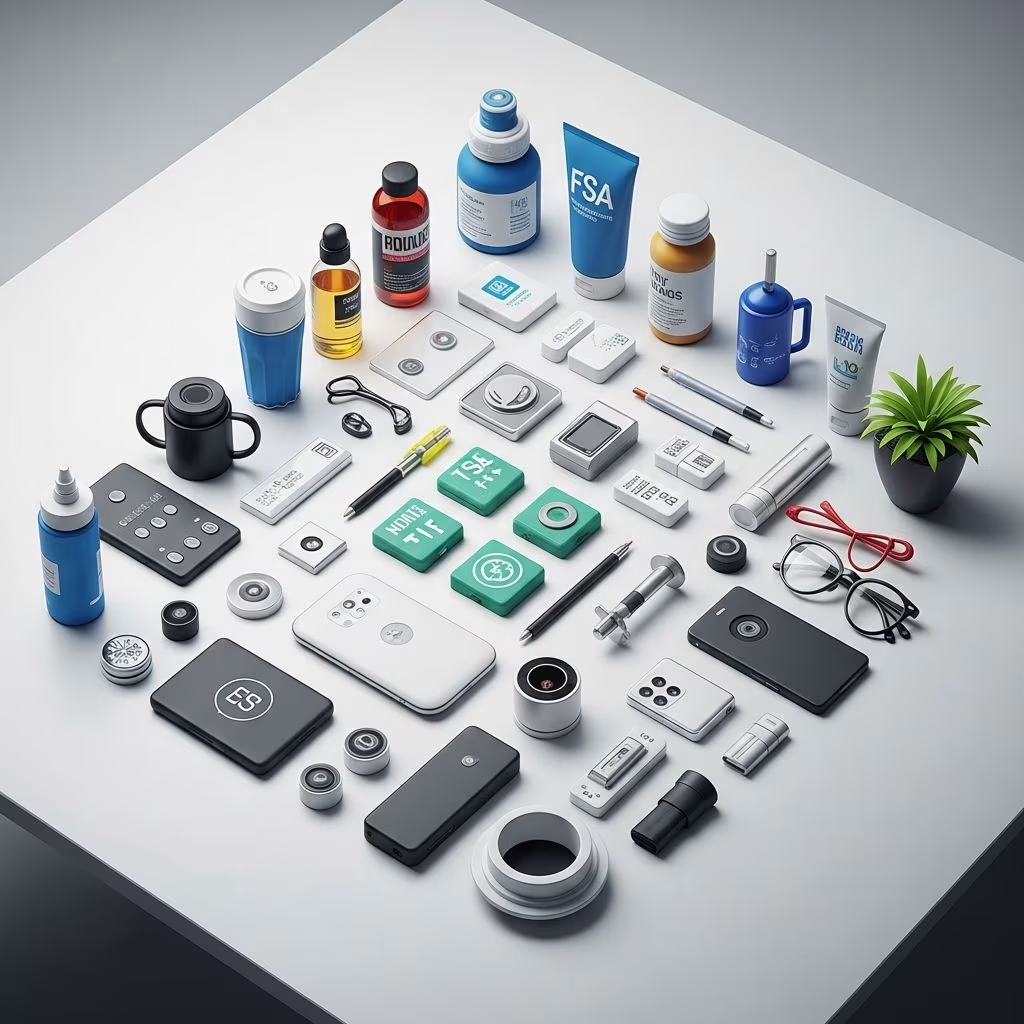
Flexible spending accounts (FSAs) allow employees to set aside pre-tax dollars for qualified medical expenses, offering significant savings on out-of-pocket healthcare costs. While many use FSAs for routine copays or prescriptions, the IRS approves a wide array of surprising items and services, expanded further by the CARES Act to include over-the-counter medications and feminine hygiene products. This guide breaks down eligible categories with over 50 examples to help you maximize your funds before they expire.
What Can You Buy With a Flexible Spending Account?
FSAs reimburse expenses defined as ‘medical care’ under IRS Publication 502, covering prevention, diagnosis, treatment, or mitigation of disease. Eligibility requires items or services primarily for medical purposes, often needing a doctor’s note or prescription for verification. Funds are use-it-or-lose-it annually, though some plans offer grace periods or carryover up to $610. Always check your plan rules and retain receipts for reimbursements.
Medical Procedures and Surgeries
FSAs extend beyond doctor visits to specialized treatments and preventive care. Annual physicals qualify as essential preventive services, encouraging proactive health management. Reproductive health options abound, supporting family planning for all genders.
- Acupuncture for pain relief or chronic conditions
- Chiropractic adjustments and osteopathic treatments
- Christian Science Practitioner services
- Annual physical examinations
- Sterilization procedures (tubal ligation for women, vasectomies for men)
- Lactation consultations and breast pumps
- Fertility enhancement (some procedures with medical necessity)
These cover diverse therapeutic approaches, ensuring holistic care access without tax penalties.
Products
From everyday essentials to specialized aids, FSAs fund numerous health products. The CARES Act revolutionized access by allowing over-the-counter (OTC) items without prescriptions, adding feminine hygiene and common meds to the list. Search FSAStore.com or Amazon’s FSA section for verified options.
- Sun protection: Sunscreen (SPF 15+), sunglasses with UV protection
- Lip care: Moisturizing lip balm, especially with sunscreen
- Women’s health: Pregnancy tests, birth control pills, tampons, pads, menstrual cups, liners, sponges, post-mastectomy prosthetics, abortion services
- Sexual health: Condoms, STI test kits
- First aid: Bandages, first aid kits, motion sickness remedies, anti-itch creams
- OTC medications: Cold/allergy meds, pain relievers (e.g., ibuprofen, acetaminophen)
- Monitoring devices: Thermometers, blood pressure cuffs, stethoscopes
- Eye care: Eyeglasses, contact lenses/solution, eye drops
- Hair loss: Wigs prescribed for mental health due to disease-related alopecia
Stock up on these during open enrollment to cover family needs tax-free, potentially saving hundreds annually.
Services
Transportation, support animals, and lifestyle aids qualify if tied to medical care. Meals during hospital stays (for the patient only) and hearing aid maintenance highlight practical reimbursements.
- Transportation: Mileage at IRS rate (e.g., 20 cents/mile pre-2021; check current), public transit fares, parking/tolls to appointments
- Service animals: Training, food, vet care for guide/service dogs
- Hospital meals: For the patient during medical care (not companions)
- Hearing aids: Devices, batteries, repairs
- Weight loss programs: Fees for physician-diagnosed conditions (e.g., obesity, hypertension; excludes gym dues)
- Tutoring: For children with learning disabilities from mental/physical impairments (physician-recommended)
These services reduce financial barriers to care, with IRS emphasizing medical necessity.
Key Rules and Changes for FSAs
Contributions max at $3,200 for 2025 (adjusted annually; IRS.gov for updates). Funds must be used by year-end, but COVID-19 relief via CARES Act and subsequent laws added flexibility: OTC drugs, menstrual products eligible sans Rx, extended carryover, and pandemic-related grace periods. Always reference IRS Publication 502 for the definitive list: ‘If you can’t find the expense, refer to the definition of medical expenses.’
| Category | Eligible Examples | Requirements |
|---|---|---|
| Procedures | Acupuncture, Vasectomy | Medical necessity |
| Products | Sunscreen, Tampons | Primarily medical; post-CARES OTC OK |
| Services | Transportation, Service Dog | Receipts, doctor’s note if needed |
Common Mistakes: What FSAs Don’t Cover
Not everything health-related qualifies. IRS audits target misuse, imposing 20% penalties plus taxes on non-qualified distributions. Vitamins, gym memberships, and cosmetics often get denied unless specifically prescribed.
- Gym/health club dues (unless for diagnosed disease)
- Cosmetic surgery (e.g., hair transplants, unless reconstructive)
- Toiletries (shampoo, toothpaste)
- Childcare (use DCFSA instead)
- General fitness programs without medical diagnosis
To comply, use FSA debit cards cautiously, retain itemized receipts, and consult plan admins. Even approved purchases may need Letters of Medical Necessity (LMN).
How to Maximize Your FSA Funds
Plan ahead: Estimate annual expenses during open enrollment. Use apps like FSA Tracker or merchant eligibility checkers. Year-end reminders prevent forfeiture—spend on eyewear, first aid, or OTC stockpiles. Families save most on kids’ tutoring, women’s products, and family planning items.
- Submit reimbursements promptly
- Shop FSA-eligible retailers
- Carry over if allowed ($610 max)
- Appeal denials with documentation
Frequently Asked Questions (FAQs)
What is a flexible spending account (FSA)?
An employer-sponsored account letting you contribute pre-tax dollars (up to $3,200 in 2025) for medical expenses, reducing taxable income.
Do I lose unused FSA money?
Typically yes by Dec. 31, but grace periods (2.5 months) or carryover ($610) may apply—check your plan.
Are OTC meds FSA-eligible?
Yes, since CARES Act—no prescription needed for pain relievers, allergy meds, etc.
Can I use FSA for sunglasses?
Yes, if for UV protection or vision correction.
What about tampons and pads?
Fully eligible post-CARES Act as feminine hygiene products.
Does FSA cover gym memberships?
No, unless prescribed for a specific disease like obesity.
How do I get reimbursed?
Pay out-of-pocket, submit receipts via portal/app; debit cards available at many plans.
This comprehensive list empowers you to stretch every FSA dollar, saving on taxes while prioritizing health. Consult IRS.gov or your HR for personalized advice.
References
- Publication 502 (2024), Medical and Dental Expenses — Internal Revenue Service. 2024-12-20. https://www.irs.gov/publications/p502
- Flexible Spending Accounts — U.S. Department of Labor, Employee Benefits Security Administration. 2025-01-01. https://www.dol.gov/agencies/ebsa/about-ebsa/our-activities/resource-center/fact-sheets/flexible-spending-accounts
- CARES Act Changes to FSAs and HRAs — Internal Revenue Service. 2023-10-15. https://www.irs.gov/newsroom/cares-act-changes-to-fsas-and-hras
- Topic No. 502, Medical and Dental Expenses — Internal Revenue Service. 2025-02-10. https://www.irs.gov/taxtopics/tc502
- Health Savings Accounts and Other Tax-Favored Health Plans — Internal Revenue Service. 2024-11-05. https://www.irs.gov/publications/p969
- FSA Eligibility List — FSAFEDS (U.S. Office of Personnel Management). 2025-01-12. https://www.fsafeds.gov/support/eligibleexpenses
This article is general information, not personal financial advice. Consider your own situation, or speak with a licensed adviser, before acting on it.