

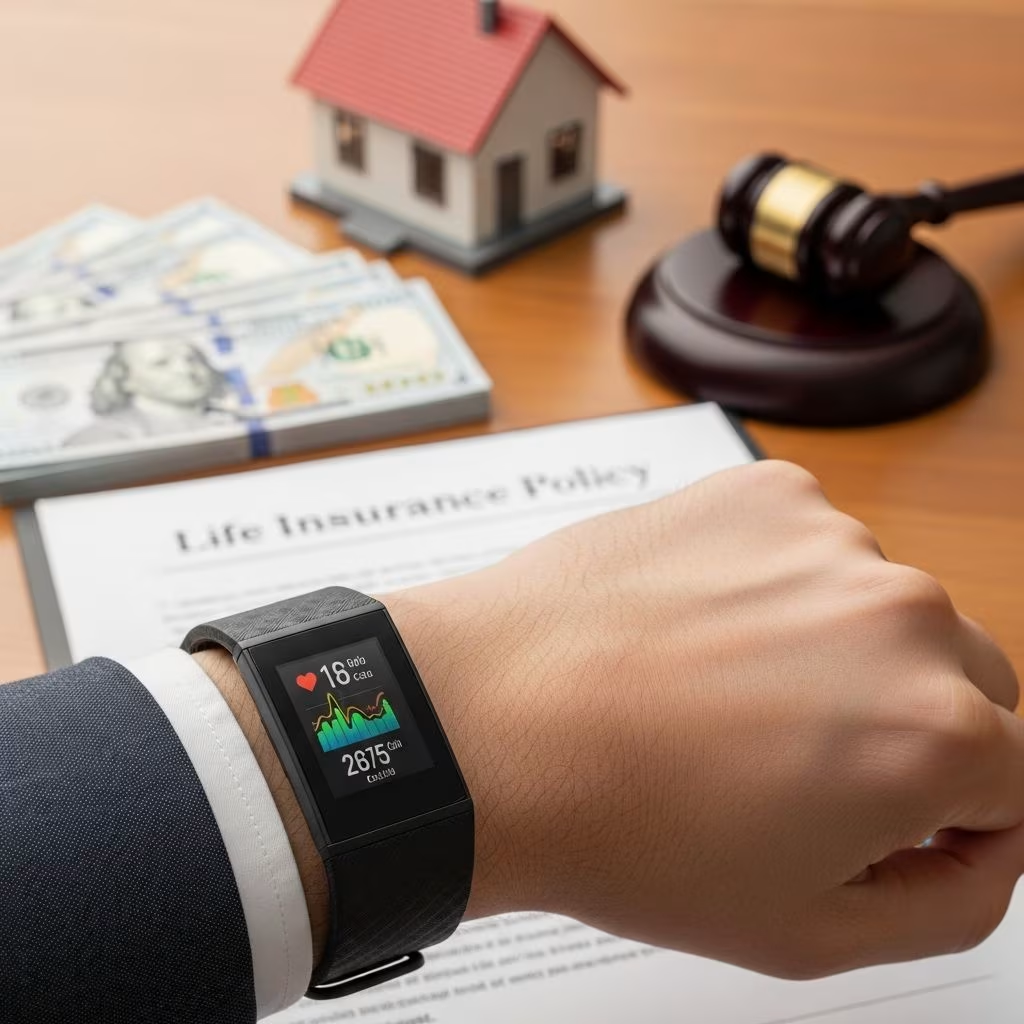
Fitness trackers like Fitbit have become popular tools for monitoring health, and some life insurance companies now offer premium discounts to policyholders who share their activity data. These wellness programs reward active lifestyles with savings of up to 15% on annual premiums, but they come with privacy considerations.
How Fitness Trackers Integrate with Life Insurance
Life insurers partner with wearable tech companies to incentivize healthy behaviors. By syncing devices like Fitbit, Apple Watch, or Garmin, policyholders provide steps, heart rate, and sleep data. Insurers analyze this to assess risk and offer discounts for meeting activity goals, such as 10,000 daily steps or consistent exercise.
This trend stems from gamified wellness initiatives where data proves lower mortality risk for active individuals. Programs are voluntary, often providing free or discounted trackers to participants.
Top Life Insurance Companies Offering Fitbit Discounts
Several major insurers have launched tracker-based programs:
- John Hancock: Their Vitality program gives up to 15% discounts for high activity levels tracked via Fitbit or Apple Watch. Members earn points for workouts, redeemable for device upgrades.
- Vitality Health: Similar to John Hancock, offers premium reductions and rewards like movie tickets for fitness milestones.
- Discovery Life: Pioneered wearable integration in South Africa, now global, with discounts scaling by activity score.
- Aviva: UK-based, provides reductions for syncing fitness data.
- Other providers: Companies like Legal & General and Bupa explore similar models.
| Insurer | Program Name | Max Discount | Supported Devices |
|---|---|---|---|
| John Hancock | Vitality | 15% | Fitbit, Apple Watch, Garmin |
| Discovery | Vitality | 40% (tiered) | Fitbit, others |
| Aviva | Healthier Living | 10-15% | Fitbit |
Note: Discounts vary by location and policy type; always verify current terms.
How the Discount Programs Work
Enrollment typically involves:
- Signing up: Opt into the insurer’s wellness program during application or renewal.
- Device provision: Receive a subsidized Fitbit or use your own.
- Data sync: Link via app to share anonymized metrics weekly or monthly.
- Goal achievement: Hit targets like 7,500-12,000 steps/day for bronze to platinum status.
- Rewards payout: Discounts apply at renewal; some offer immediate rebates.
For example, one user reported walking 1 million steps monthly after getting a discounted Fitbit, qualifying for max savings. Programs use algorithms to score ‘health age’ versus chronological age, adjusting premiums accordingly.
Potential Savings: Real Numbers
Average term life policy costs $25-50/month for a healthy 30-year-old. A 15% discount saves $45-90/year. High earners in premium programs can save hundreds annually, plus perks like gym reimbursements.
- Bronze level: 5% off for basic activity.
- Silver/Gold: 10% for moderate exercise.
- Platinum: 15%+ for elite fitness, verified by tracker data.
Over 20 years, savings compound significantly, especially as base premiums rise with age.
Privacy and Security Concerns
Sharing health data raises red flags. Critics warn of a ‘privacy nightmare’ where insurers access sensitive info like heart irregularities or sleep patterns, potentially used for denial or rate hikes.
Fitbit has updated policies to hide sensitive data unless explicitly shared, but breaches remain a risk. Could poor data (e.g., failed quit-smoking attempts) impact future insurability? Experts advise reviewing terms: data is often de-identified, but subpoenas or hacks could expose it.
Pros and Cons of Tracker-Based Insurance
| Pros | Cons |
|---|---|
| Lower premiums for healthy habits | Privacy invasion risks |
| Motivation to exercise (e.g., 1M steps/month) | Penalties for low activity? |
| Free/discounted devices | Data security vulnerabilities |
| Holistic health tracking | Dependency on tech accuracy |
Voluntary nature mitigates some issues, but informed consent is key.
Alternatives to Fitbit for Insurance Discounts
Not keen on Fitbit? Options include:
- Apple Watch: Supported by many programs; employer wellness plans may subsidize.
- Garmin/Whoop: Advanced metrics for serious athletes.
- Non-wearable: Apps like MyFitnessPal or self-reported logs for basic discounts.
- Group plans: Employer-sponsored with trackers for collective savings.
Steps to Get Started
To maximize savings:
- Compare insurers offering wellness programs.
- Read privacy policies thoroughly.
- Start tracking now to build habits.
- Consult an agent for personalized quotes.
- Monitor for data breaches.
Healthy individuals stand to benefit most, turning daily steps into dollars saved.
Frequently Asked Questions (FAQs)
Can any Fitbit model qualify for discounts?
Most models (Versa, Charge, Inspire) work if they sync data via app. Check insurer requirements.
What if I stop using the tracker?
Discounts may lapse at renewal if activity drops; some offer grace periods.
Is data shared with third parties?
Insurers claim anonymized use, but review terms. Fitbit hides sensitive data by default.
How much can I really save?
Up to 15% or $100s/year, scaling with activity.
Are these programs available everywhere?
Primarily US/UK/South Africa; expanding globally.
Final Thoughts on Wearables and Insurance
Fitness trackers offer a win-win for motivated users: better health and cheaper coverage. However, weigh privacy trade-offs carefully. As tech evolves, expect more insurers to adopt data-driven discounts, making wellness a premium perk.
References
- Fitbit-based life insurance is a potential privacy and security nightmare — The Next Web. 2018-09-20. https://thenextweb.com/news/fitbit-based-life-insurance-is-a-potential-privacy-and-security-nightmare
- Let your boss track your fitness, get an Apple Watch — NH Register. N/A. https://www.nhregister.com/business/article/Let-your-boss-track-your-fitness-get-an-Apple-11335901.php
- Need motivation? There’s an app for that — CT Post. N/A. https://www.ctpost.com/news/article/need-motivation-there-s-an-app-for-that-4926248.php
- Should you hand your Fitbit data to an insurance company? — The Gazette. 2018-09-26. https://gazette.com/2018/09/26/should-you-hand-your-fitbit-data-to-an-insurance-company-8e5a12ce-c202-11e8-94f0-872b22d6f7ff/
This article is general information, not personal financial advice. Consider your own situation, or speak with a licensed adviser, before acting on it.


