

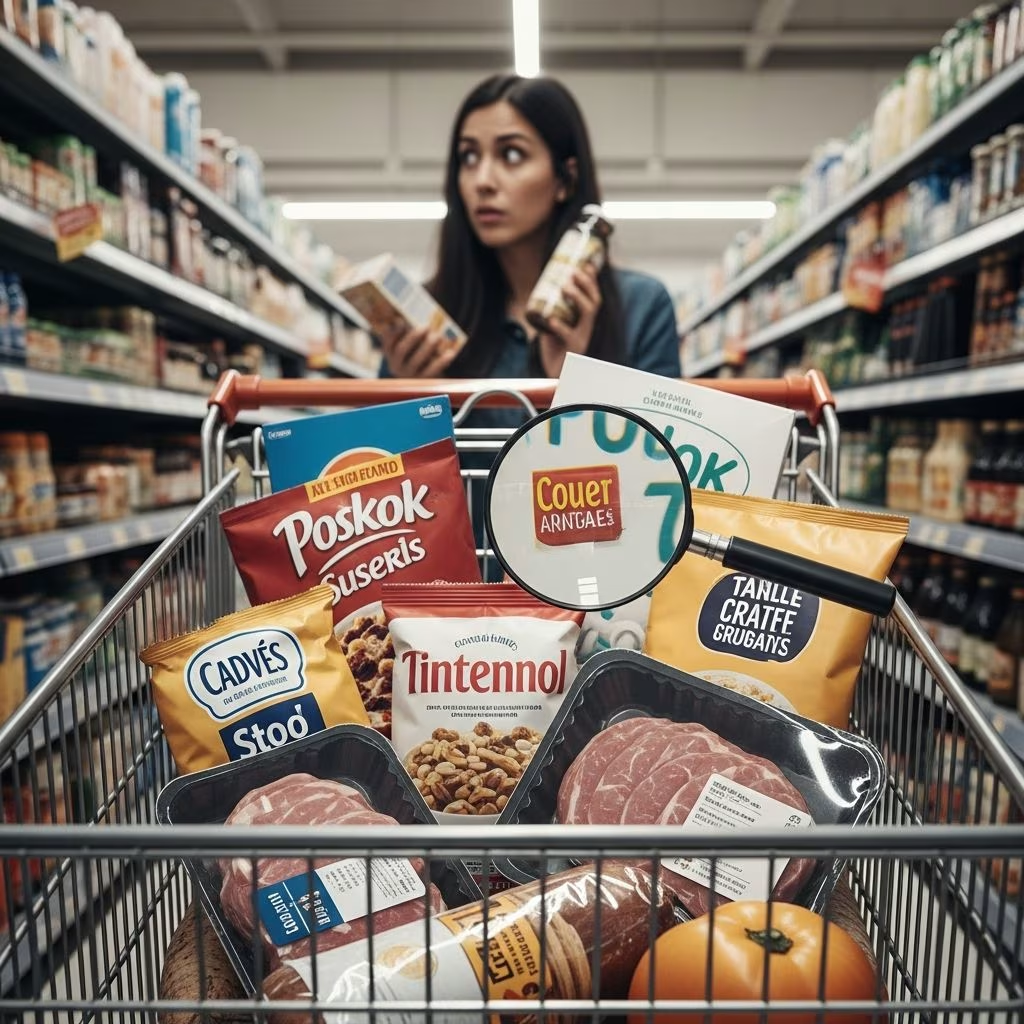
Shrinkflation is a sneaky tactic where companies reduce the size or quantity of products while keeping prices the same, effectively raising the cost per unit without you noticing right away. This hidden form of inflation affects groceries, household items, and more, hitting your wallet harder than traditional price hikes.
Coined by economist Pippa Malmgren in 2009, shrinkflation has surged post-pandemic as manufacturers grapple with rising costs. A LendingTree analysis found about one-third of common consumer products have shrunk since then, with household paper products like toilet paper seeing up to 60% affected. Understanding shrinkflation empowers you to shop smarter and protect your budget.
What Is Shrinkflation?
Shrinkflation occurs when firms reduce the size, weight, or quantity of a good while maintaining the same price, acting as a disguised inflation that doesn’t show up in standard consumer price indexes. For instance, a $5 loaf of bread drops from 20 ounces to 18 ounces— you’re paying more per ounce without the price tag changing.
Unlike regular inflation, where prices rise openly, shrinkflation is subtler. The Bureau of Labor Statistics tries to account for it in CPI calculations, but it’s challenging as product sizes change frequently. This practice spans food, beverages, and household goods, making everyday shopping deceptive.
- Key characteristics: Same price, less product; often paired with redesigned packaging to mask changes.
- Prevalence: Affects ~33% of grocery items per LendingTree data.
- Difference from skimpflation: Skimpflation lowers quality (e.g., cheaper ingredients), while shrinkflation targets quantity.
Shrinkflation Examples
Real-world cases highlight how widespread shrinkflation is. From candy to cereal, brands have trimmed portions to offset costs.
| Product | Old Size | New Size | Price Change | Source |
|---|---|---|---|---|
| Mars Bar (2009) | 62.5g | 58g | Same (37p) | |
| Tetley Tea Bags (2010) | 100 bags | 88 bags | Same | |
| Häagen-Dazs Ice Cream (2009) | 16 fl oz | 14 fl oz | Same | |
| Kellogg’s Frosted Flakes (Family Size) | 24 oz | 21.7 oz | Same (40% higher per oz) | |
| Reese’s Miniatures (Party Size) | 40 oz | 35.6 oz | Same | |
| Cheetos (Party Size) | 17.5 oz | 15 oz | Same (price per oz up) | |
| Toilet Paper (Various Brands) | Varies | Reduced sheets | Same (60% affected) |
Household paper products lead with 60% shrinkflation rate, followed by breakfast foods (44%) and candy (38%). Cocoa price spikes in 2009-2011 drove chocolate reductions, a pattern repeating with recent commodity rises.
Why Companies Shrinkflate
Manufacturers use shrinkflation to combat rising input costs without alienating price-sensitive customers. Key drivers include:
- Rising commodity prices: Cocoa, wheat, and energy costs surged, forcing quantity cuts.
- Less noticeable than price hikes: Consumers check prices more than package sizes.
- Economic pressures: Post-pandemic inflation made open increases risky.
- Profit maintenance: Keeps margins steady amid supplier inflation.
The Federal Reserve targets 2% inflation to spur growth, but shrinkflation lets firms adapt quietly. It’s common in competitive food sectors where loyalty is key.
How Shrinkflation Affects the Economy and You
Shrinkflation distorts inflation measures, as CPI assumes constant basket sizes—leading to underreported true costs. It erodes consumer trust when spotted, potentially sparking backlash.
For households, it means higher effective spending: 10% less bread for the same price equals 10% inflation. It complicates budgeting, wastes packaging, and disrupts recipes. Yet, positives exist—like smaller chocolates aiding portion control.
Broader economy: Encourages spending short-term but risks demand drop if perceived as deceptive. Governments note it; even President Biden urged snack makers to stop in 2023.
How to Spot Shrinkflation
Stay vigilant with these tips:
- Check unit prices: Compare price per ounce/gram on shelf labels.
- Read labels: Note net weight/volume changes.
- Weigh products: Use a kitchen scale for staples like cereal.
- Track favorites: Photograph old packages for comparison.
- Scan for redesigns: New packaging often hides shrinks.
Apps like ShopSavvy or store loyalty programs display unit pricing automatically.
Tips to Avoid Shrinkflation
Reclaim control and save:
- Buy in bulk: Larger sizes less prone; check warehouses like Costco.
- Switch brands: Store brands often maintain sizes.
- Opt for whole foods: Produce, meats avoid packaging tricks.
- Use coupons/apps: Offset any real hikes.
- Shop sales/perimeter: Focus on unprocessed goods.
- Voice complaints: Social media pressures brands (e.g., #Shrinkflation trends).
Consumers noticing 70% of incidents are pushing back, per surveys.
Shrinkflation FAQs
Is shrinkflation illegal?
No, it’s legal if labels are accurate. Regulators like the FTC monitor deceptive practices, but quantity reductions aren’t banned.
Does shrinkflation affect all products?
Primarily packaged goods; fresh produce and services are immune.
How does shrinkflation impact inflation stats?
BLS adjusts CPI, but frequent changes make it imperfect.
Why not just raise prices?
Price hikes risk losing customers; shrinks are stealthier.
Will shrinkflation end soon?
As inflation cools (e.g., 2023 lows), it may ease, but commodity volatility persists.
Final Thoughts on Beating Shrinkflation
Shrinkflation tests savvy shopping, but awareness turns the tide. By spotting it and adapting habits, you safeguard savings amid economic shifts. Stay informed, shop strategically, and your budget will thank you.
References
- What Is Shrinkflation? Examples & Effects on the Economy — Britannica. 2024. https://www.britannica.com/money/what-is-shrinkflation
- Shrinkflation definition and examples — Economics Help. 2024-10-15. https://www.economicshelp.org/blog/24369/inflation/shrinkflation/
- Shrinkflation has affected one-third of grocery items, analysis finds — CBS News. 2024. https://www.cbsnews.com/news/inflation-shrinkflation-skimpflation-toilet-paper-candy-cereal-lendingtree/
- Shrinkflation – Definition, Causes, Effects, Examples — Corporate Finance Institute. 2024. https://corporatefinanceinstitute.com/resources/economics/shrinkflation/
- Understand Shrinkflation and Effective Marketing Strategies — Mintel. 2024. https://www.mintel.com/insights/retail/understand-shrinkflation-effective-marketing-strategies/
This article is general information, not personal financial advice. Consider your own situation, or speak with a licensed adviser, before acting on it.


