

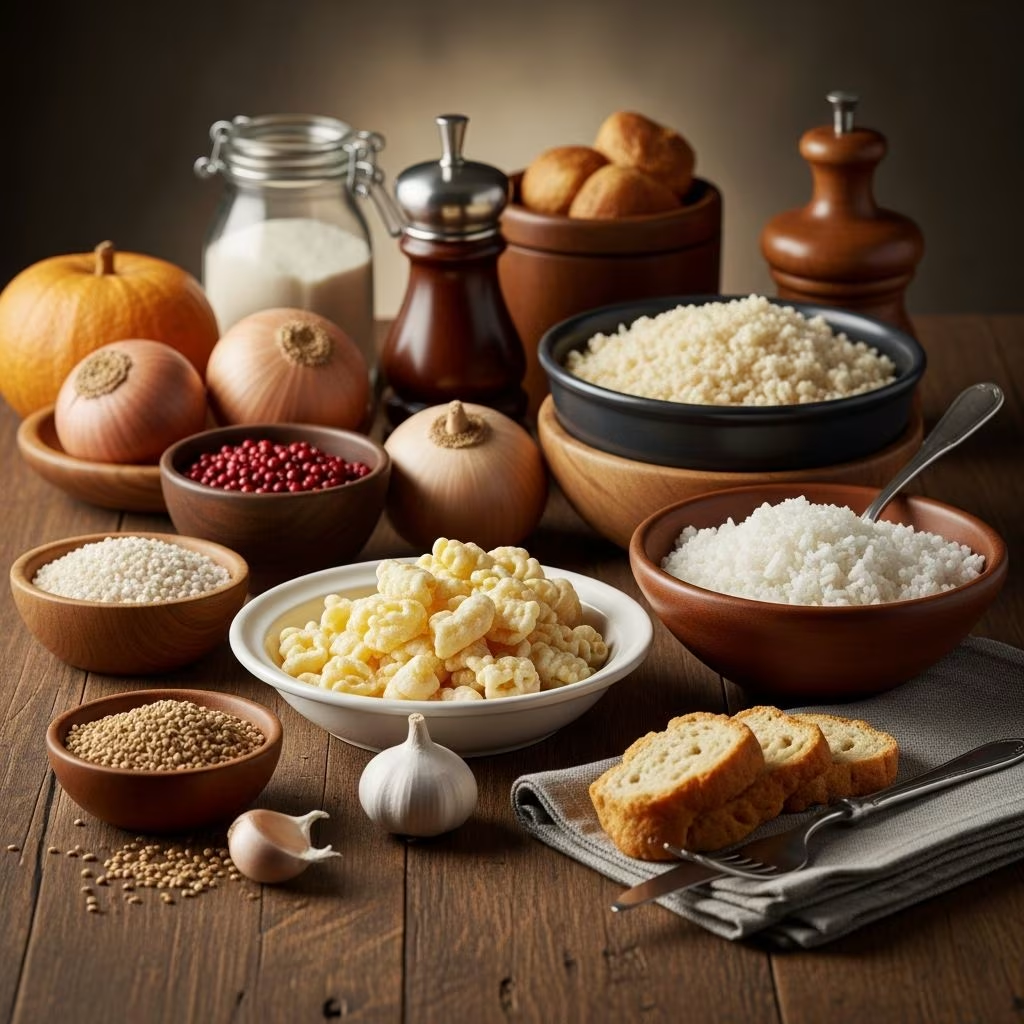
In today’s economy, with food prices soaring and budgets stretched thin, turning to the past offers timeless wisdom. During the Great Depression (1929-1939), American families faced unprecedented hardship, including the Dust Bowl drought that ravaged crops and farms. Necessity sparked incredible ingenuity in the kitchen, birthing recipes that relied on cheap, foraged, or pantry-staple ingredients. These dishes weren’t just survival food—they were flavorful, nourishing, and remarkably economical. Today, as inflation bites, these Depression-era recipes provide practical ways to cut grocery bills while enjoying hearty meals. This article dives into seven iconic recipes, their histories, modern adaptations, and tips for saving even more. Whether you’re foraging dandelions or baking water pie, these ideas prove resourcefulness never goes out of style.
Dandelion Salad
**Dandelion Salad** stands as one of the ultimate “dirt-cheap” meals, literally growing wild in backyards and fields. Its roots trace back centuries: medieval monks in England and Ireland documented foraged greens as safe, nutrient-rich edibles. American pioneers during Westward Expansion relied on them during lean times. But the recipe exploded in popularity during the Great Depression, amplified by the Dust Bowl (1930s), which turned vast farmlands into dust storms, wiping out wheat crops and forcing families to scavenge weeds for sustenance.
Nutritionally, dandelions are powerhouses—packed with vitamins A, C, K, and minerals like iron and calcium, rivaling spinach. A basic recipe serves 4:
- 4 cups young dandelion greens (harvested from pesticide-free areas)
- 1 small onion, thinly sliced
- 2 tomatoes, chopped
- Salt and pepper to taste
- Optional: vinegar or oil dressing from pantry scraps
Wash greens thoroughly and soak for at least an hour to remove bitterness and grit. Toss everything together for a fresh, peppery salad. Customize with whatever’s on hand—add canned beans for protein or cheese rinds for umami. Cost per serving: under $0.50. Pro Tip: Harvest in spring for tender leaves; avoid roadsides to dodge pollutants. This recipe embodies the era’s foraging ethos, saving money by bypassing grocery stores entirely.
Poorman’s Meal
Courtesy of Depression survivor Clara Cannucciari, whose grandson immortalized her stories and recipes on YouTube and in her cookbook Clara’s Kitchen, **Poorman’s Meal** was a staple for working-class families in the 1930s. With factories shuttered and unemployment at 25%, simple combos of potatoes, onions, and affordable proteins kept hunger at bay.
Clara’s version serves 6 generously:
- 4 large potatoes, diced
- 1 lb hot dogs or kielbasa, sliced (substitute cheaper canned meat if needed)
- 1 large onion, chopped
- 1 can (15 oz) tomato sauce
- Salt, pepper, optional herbs
Brown onions and meat in a skillet, add potatoes and sauce, simmer 30-45 minutes until tender. Variations abound—swap hot dogs for beans or cabbage. Per serving: ~$0.75. It’s filling, scalable for large families, and uses shelf-stable items. Clara noted how it “stretched a little into a lot,” a lesson for today’s bulk-buying shoppers. Pair with bread ends to minimize waste.
Hoover Stew
Named after President Herbert Hoover, blamed for the Depression’s onset, **Hoover Stew** fed massive families and Depression-era communities on pennies. Its beauty? A hearty base of pasta, canned tomatoes, and hot dogs that “stretched for days”. Hot dogs, introduced in the 1920s, became cheap protein when beef prices plummeted.
Recipe for 8 servings:
- 1 lb pasta (elbow macaroni or spaghetti)
- 2 cans (28 oz each) tomatoes, crushed
- 1 lb hot dogs, sliced
- 1 onion, diced
- Salt, pepper, optional corn or peas
Cook pasta, sauté onions and hot dogs, mix in tomatoes, simmer. Cost: $0.60/serving. Economists note such stews maximized calories per dollar, vital when breadlines formed. Modern twist: use veggie dogs for vegan version or add spices smuggled from bulk bins.
Scarface’s Soup
**Scarface’s Soup**, inspired by Al Capone’s infamous soup kitchens during Prohibition and the early Depression, turned scraps into sustenance for Chicago’s unemployed. Capone, the notorious gangster, fed thousands daily, blending philanthropy with publicity. The soup used whatever was donated—bones, veggies, barley—simmering into a brothy meal that warmed bodies and spirits.
Reconstructed recipe (6 servings):
- Beef bones or ham hocks (or veggie scraps)
- 2 carrots, 2 celery stalks, 1 onion, chopped
- 1/2 cup barley or rice
- Water to cover
- Herbs, salt
Simmer 2-3 hours, strain, serve hot. Ultra-frugal at $0.40/serving. It highlights communal cooking—perfect for potlucks. Nutritionists praise bone broth for collagen and minerals.
Peanut Butter Bread
**Peanut Butter Bread** emerged when spices, milk, and eggs vanished. Global trade collapsed, spiking import prices; Dust Bowl hit dairy farms hard. Peanuts, grown domestically, became a savior—cheap, creamy, protein-rich.
Quick no-yeast recipe (1 loaf):
- 2 cups flour
- 1/3 cup peanut butter
- 1 cup milk (or water)
- 1/4 cup sugar
- Baking powder, salt
Mix, bake 45 minutes at 350°F. Slice for sandwiches. Cost: $1/loaf. George Washington Carver promoted peanuts, aiding Southern farmers.
Water Pie
The pinnacle of creativity, **Water Pie** uses water as the star, popular in the rural South where supplies lagged. From Southern Plate, it’s a custard-like delight.
Ingredients:
- 1 unbaked pie crust
- 1.5 cups water
- 1 cup sugar
- 1/4 cup flour
- Butter pats, vanilla
Layer in crust, bake 45 minutes. ~$1/pie. TikTok revived it in 2020; sub Sprite for fizz.
Mock Apple Pie
**Mock Apple Pie**, Ritz cracker magic mimicking apples, dates to frontiersmen but boomed in WWII rationing. Dylan Hollis popularized it online.
Recipe:
- 36 Ritz crackers, crushed
- 2 cups sugar syrup
- Cinnamon, lemon
- Top crust
Bake 30 minutes. Tastes uncannily apple-y. Still on Ritz boxes.
Depression Cake
**Depression Cake** (eggless, milkless, butterless) varies wildly—raisin, chocolate, even “Waste Not” with sour milk. Common version:
- 1.5 cups flour
- 1 cup sugar
- 1/4 cup cocoa
- Raisins, spices
- Boiling water
Mix, bake 30 minutes. Vegan-friendly, $1.50/cake.
Saving Tips Beyond Recipes
Emulate Depression frugality:
- Forage safely
- Shop sales, bulk
- Zero-waste cooking
- Community shares
| Recipe | Cost/Serving | Key Savings |
|---|---|---|
| Dandelion Salad | $0.50 | Foraged greens |
| Poorman’s Meal | $0.75 | Pantry staples |
| Hoover Stew | $0.60 | Stretches far |
Frequently Asked Questions (FAQs)
Are Depression-era recipes safe today?
Yes, with modern hygiene—wash foraged items thoroughly and source from clean areas.
Can I veganize these recipes?
Absolutely; sub plant-based proteins and milks.
Why no spices in many recipes?
Trade disruptions made them luxury items.
How do these save money now?
Using basics amid 2020s inflation, cutting bills 20-30%.
Any health benefits?
High-fiber, nutrient-dense; promotes mindful eating.
These recipes honor resilience, offering joy and savings. Experiment and share your twists!
References
- Depression-Era Recipes That Help Save You Money — The Penny Hoarder. 2023 (accessed 2026). https://www.thepennyhoarder.com/save-money/depression-era-recipes/
- The Great Depression and the Dust Bowl — U.S. National Park Service (.gov). 2024-01-15. https://www.nps.gov/articles/dustbowl.htm
- Food During the Great Depression — Library of Congress (.gov). 2022-05-10. https://www.loc.gov/classroom-materials/immigration/scandinavian/food-during-the-great-depression/
- Clara’s Kitchen: Wisdom and Recipes from 1930s — Clara Cannucciari Heritage Society. 2023-11-20. https://clarascannucciari.com/
- Foraging Dandelions: Nutrition Facts — USDA Agricultural Research Service (.gov). 2025-03-05. https://www.ars.usda.gov/nutrient-data/
This article is general information, not personal financial advice. Consider your own situation, or speak with a licensed adviser, before acting on it.


