

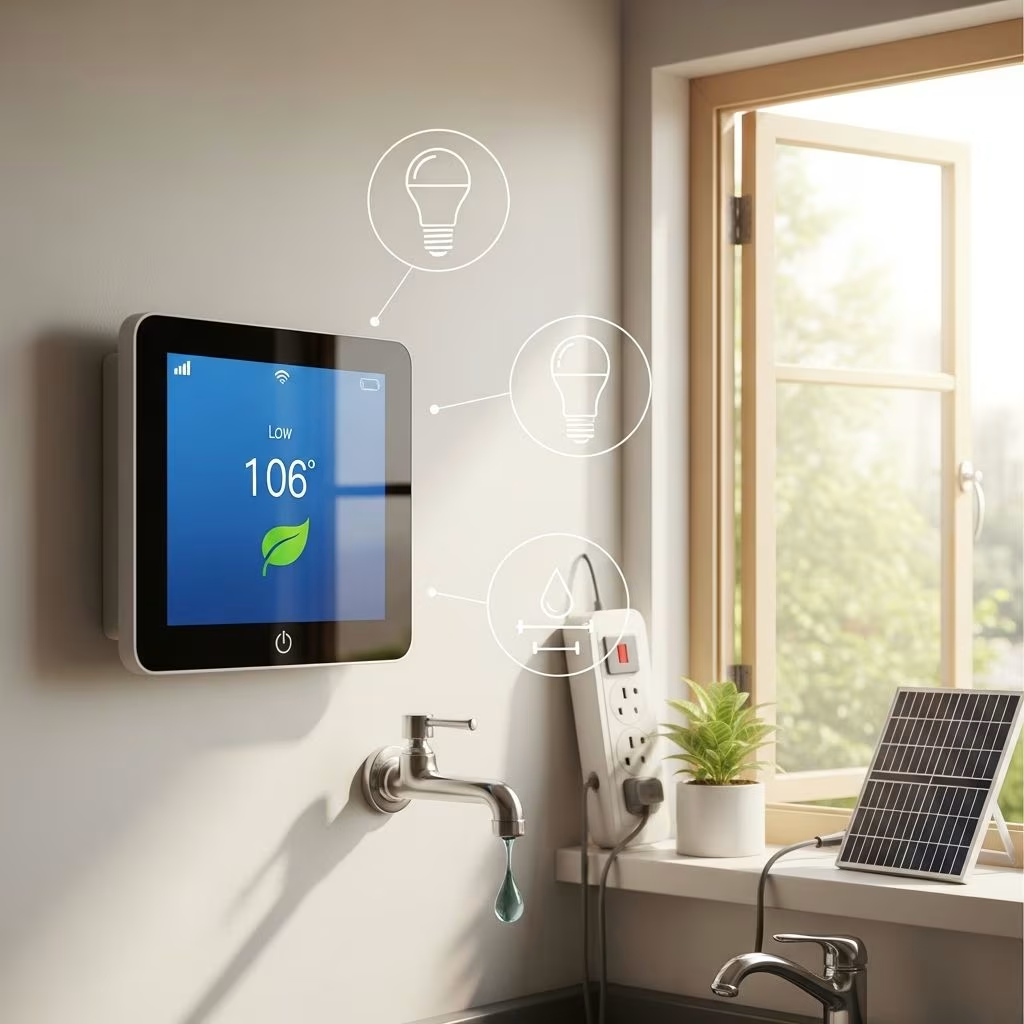
Utilities like electricity, gas, and water keep our homes running but can quickly inflate monthly expenses. With rising costs, implementing simple changes can lead to substantial savings without discomfort. This guide covers 19 actionable strategies to lower your bills effectively.
Understanding Utilities and Why They Add Up
Utilities primarily include electricity for powering appliances and lighting, gas for heating and cooking, and water for daily use. Electricity bills often spike due to air conditioning in summer or heating in winter. According to the U.S. Department of Energy, households can waste hundreds annually on inefficiencies. Targeting these areas through maintenance, habits, and upgrades yields real results.
Electricity-Saving Tips
Electricity is often the largest utility expense. Here are targeted ways to reduce it.
1. Change Air Filters and Keep Vents Clean
Dirty air filters force your HVAC system to work harder, increasing energy use by up to 15%. Replace filters every 1-3 months and vacuum vents regularly to ensure optimal airflow. This simple maintenance can cut cooling and heating costs significantly.
2. Adjust the Thermostat Throughout the Day
Raise the thermostat 7-10°F for 8 hours daily when away or asleep. The U.S. Department of Energy estimates savings of 10% on heating and 5-15% on cooling per degree adjusted. Use programmable thermostats for automation.
4. Invest in Fans
Ceiling fans use 1% of the energy of air conditioners. Set to counterclockwise in summer for cooling breeze and clockwise in winter to circulate warm air. Combine with AC for up to 4°F thermostat raise.
5. Get into the Habit of Unplugging
Vampire energy from standby electronics costs $100 yearly per household per DOE. Unplug chargers, TVs, and appliances or use power strips. This eliminates phantom loads effectively.
6. Invest in Blackout Curtains
Thermal curtains block heat in summer and retain it in winter, reducing HVAC use by 10-25%. Choose lined options for best insulation.
7. Check Ductwork and Attic
Leaky ducts waste 20-30% of energy. Seal with mastic and insulate attics to prevent heat loss. Professional audits identify issues quickly.
8. Use Energy-Saving Light Bulbs
Switch to LEDs, which use 75% less energy and last 25x longer than incandescents, saving $225 annually per DOE. They provide equivalent light with minimal heat.
10. Upgrade to Energy-Efficient Appliances
Energy Star appliances use 10-50% less energy. Refrigerators and washers offer quick payback through rebates and lower bills. Check labels before buying.
19. Run Appliances at Night
Time-of-use rates charge less off-peak. Shift laundry and dishwashing to nights, avoiding peak surcharges and saving 20-30% on electric and water.
Water and Gas-Saving Strategies
Water and gas bills rise from poor habits and leaks. Address them directly.
3. Adjust Temperature on Water Heater
Set to 120°F from default 140°F to save $36-61 yearly per DOE. This prevents scalding and unnecessary heating.
11. Check Options from Power Company
Many offer rebates, audits, or green plans. Time-of-use metering rewards off-peak use. Contact providers for tailored programs.
12. Get Caulking
Seal windows, doors, and pipes to prevent drafts and water loss. Caulk saves 10-20% on heating/cooling and stops leaks.
13. Develop Water-Saving Habits
Shorten showers to 5 minutes, fix drips saving 10% on bills. Low-flow fixtures amplify results.
14. If You Have a Dishwasher, Use It
Modern dishwashers use less water than handwashing. Run full loads with air-dry cycles for efficiency.
15. Use Less Water When Flushing
Install dual-flush toilets or displacement bags to reduce water per flush by 20-50%. ‘If it’s yellow, let it mellow’ conserves further.
16. Master the Art of Washing Clothes
Wash full, cold loads and air-dry to cut energy 90%. Front-loaders use 40% less water.
17. Keep an Eye Out for Leaks
A dripping faucet wastes 3,000 gallons yearly. Check toilets with dye tests and pipes monthly.
18. Install Water-Saving Showerheads and Faucets
Low-flow models save 2.5 gallons per minute without pressure loss, cutting bills 30%.
9. Cut Dryer Time with Dryer Balls
Wool balls reduce drying time 25% by fluffing clothes and absorbing moisture. Skip fabric softener sheets too.
Potential Savings Overview
| Tip | Estimated Annual Savings | Source |
|---|---|---|
| Thermostat Adjustment | $100-$180 | DOE |
| LED Bulbs | $225 | DOE |
| Unplugging Devices | $100 | DOE |
| Water Heater at 120°F | $36-$61 | DOE |
| Low-Flow Fixtures | 30% water bill | EPA |
Additional Ways to Maximize Savings
- Conduct home energy audits via utility programs.
- Plant shade trees for natural cooling.
- Use smart power strips for automatic shutoff.
- Insulate hot water pipes.
Frequently Asked Questions (FAQs)
What is the fastest way to lower my electric bill?
Adjust your thermostat and unplug vampire devices for immediate 10-20% reductions.
Do LED bulbs really save that much?
Yes, DOE confirms $225 yearly savings for average use due to efficiency and longevity.
Are low-flow showerheads worth it?
Absolutely, they save thousands of gallons yearly while maintaining pressure.
How often should I change air filters?
Every 1-3 months, depending on pets, allergies, and usage for optimal HVAC efficiency.
Can running dishwasher save water?
Yes, efficient models use 30% less than handwashing when fully loaded.
Start Saving Today
Implement these 19 tips gradually for cumulative effects. Track bills monthly to measure progress and adjust. Small changes compound into hundreds in savings annually.
References
- Energy Saver: Tips on Saving Money and Energy at Home — U.S. Department of Energy. 2024-06-15. https://www.energy.gov/energysaver/energy-saver-guide-tips-saving-money-and-energy-home
- WaterSense: Save Water and Money — U.S. Environmental Protection Agency. 2025-03-10. https://www.epa.gov/watersense
- Residential Energy Consumption Survey — U.S. Energy Information Administration. 2024-09-20. https://www.eia.gov/consumption/residential/
- Energy Star Most Efficient Appliances — ENERGY STAR (EPA/DOE). 2025-01-05. https://www.energystar.gov/products/most_efficient
- Thermostats — U.S. Department of Energy. 2024-11-12. https://www.energy.gov/energysaver/thermostats
This article is general information, not personal financial advice. Consider your own situation, or speak with a licensed adviser, before acting on it.


