

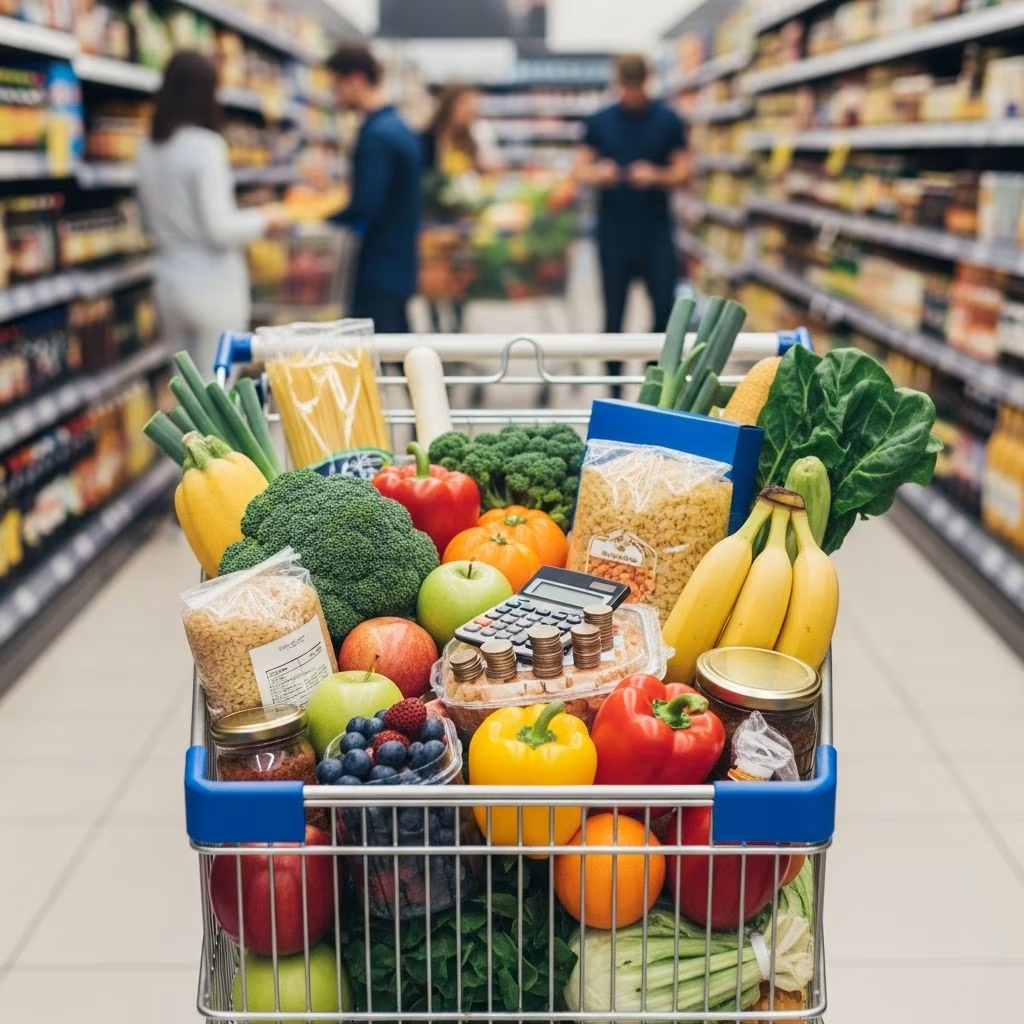
Grocery prices have surged in recent years, squeezing household budgets across the nation. According to the U.S. Bureau of Labor Statistics, food-at-home prices rose by over 25% from 2020 to 2024, driven by supply chain issues, inflation, and higher production costs. Yet, savvy shoppers can fight back with proven strategies that reduce spending without compromising nutrition or convenience. This guide covers 12 practical tips drawn from expert advice, helping you save hundreds annually on groceries.
Plan Your Meals Strategically
Impulse buys erode budgets, but strategic meal planning turns shopping into a savings tool. Start by inventorying your pantry, fridge, and freezer to use existing items first. Then, map out 5-7 days of meals based on sales flyers from your local stores. This approach minimizes waste—Americans discard about 30% of food purchased—and ensures every dollar spent has purpose.
- Review weekly ads from apps like Flipp to spot deals on proteins, veggies, and staples.
- Build meals around discounted items, like chicken stir-fry if breasts are on sale.
- Prep versatile bases (e.g., rice or roasted veggies) for multiple dinners.
Meal planning also saves time: one study from the Journal of Nutrition Education and Behavior found planners spend 20% less on groceries weekly. Pro tip: Involve family in theme nights (Taco Tuesday) to boost buy-in and reduce takeout temptations.
Embrace Store Brands
National brands charge premiums for marketing, but store brands (Aldi, Kroger, etc.) use similar recipes at 20-40% lower prices. Blind taste tests by Consumer Reports confirm generics match name brands in 9 out of 10 categories, from cereals to canned tomatoes.
| Category | Name Brand Avg Price | Store Brand Avg Price | Savings % |
|---|---|---|---|
| Cereal (18 oz) | $4.50 | $2.80 | 38% |
| Peanut Butter (16 oz) | $3.20 | $1.90 | 41% |
| Pasta (1 lb) | $1.50 | $0.80 | 47% |
Switch gradually: Start with baking goods or frozen veggies where differences are negligible. Over time, this habit can cut your bill by $500-1,000 yearly for a family of four.
Buy In Bulk (But Wisely)
Warehouse clubs like Costco and Sam’s Club shine for bulk buys, offering 15-30% discounts on volume purchases. Focus on non-perishables: rice, oats, toiletries. For perishables, portion and freeze immediately—e.g., divide a 10-lb chicken pack into meals.
- Calculate unit prices: Larger isn’t always cheaper if you won’t use it.
- Shop with a friend to split mega-packs and share membership fees ($60/year).
- Avoid bulk on trendy items; stick to family staples.
The USDA notes bulk buying reduces costs per serving by up to 50% when waste is controlled. Just ensure you have storage space to avoid spoilage.
Stick To A Well-Crafted Shopping List
A detailed shopping list is your budget’s bodyguard. Write it post-meal planning, organized by store aisles to speed navigation and resist end-cap temptations. Digital lists via apps like AnyList sync across devices for shared shopping.
Research from the American Journal of Preventive Medicine shows list-users spend 25% less than impulse shoppers. Bonus: Eat before shopping to curb hunger-driven adds.
Leverage Cashback And Rewards Apps
Apps like Rakuten, Ibotta, and Fetch Rewards rebate 1-20% on groceries. Scan receipts post-shop or link loyalty cards—earnings add up to $200-500/year. Rakuten partners with 2,500+ stores; Ibotta offers any-item rebates.
- Stack with store apps (Publix, Kroger) for digital coupons.
- Redeem Fetch points for gift cards after 3,000 points ($3 minimum).
- Checkout 51 pays instantly via PayPal.
Combine for ‘deal stacking’: Coupon + app + loyalty = max savings.
Shop Seasonal And Local Produce
Seasonal produce costs less due to local abundance—summer berries beat winter imports by 50%. Farmers markets offer deals at day’s end; haggle politely for bulk discounts. Freeze extras: Blanch veggies, portion into bags for year-round use.
USDA seasonal guides list peaks: Apples in fall, citrus in winter. Fresher taste and nutrition are bonuses.
Buy Frozen Fruits And Vegetables
Frozen produce is cheaper (30-50% less), lasts months, and retains nutrients via flash-freezing at harvest peak. Swap fresh berries ($5/pint) for frozen ($3/bag). Ideal for smoothies, soups, baking.
Limit: Avoid thawed-then-refrozen items; check for ice crystals signaling quality loss.
Avoid Pre-Cut Or Pre-Washed Produce
Convenience premiums inflate pre-cut prices 2-3x—$4 for bagged salad vs. $1.50/head lettuce. Invest in a $10 salad spinner; prep weekly for crunch. Time saved? Minimal, savings substantial.
Limit Grocery Store Visits
Weekly shops curb impulse buys; data shows each extra trip adds $10-20 unplanned spend. Bi-weekly for non-perishables works if you meal prep/freezer stock. Use delivery for staples to avoid aisles.
Shop At Discount Grocery Stores
Discount chains like Aldi, Lidl, Walmart save 20-40% vs. traditional supermarkets. Aldi skips bags (bring your own), focuses on private labels. Compare via Basket app for best prices per zip code.
Preserve And Store Food Properly
Proper storage slashes waste—U.S. families toss $1,800/year in food. Tips:
- Fruits/veggies: Paper towels in crisper bins absorb moisture.
- Herbs: Jar with water like flowers.
- Leftovers: Airtight glass, label dates; freeze in 3-month portions.
Apps like SuperCook invent meals from on-hand items.
Frequently Asked Questions (FAQs)
Q: How much can I realistically save with these tips?
A: Families report $50-100/week; USDA estimates 20-30% bill reduction via planning and generics.
Q: Are store brands really as good?
A: Yes—Consumer Reports blind tests show parity in quality 90%+ cases.
Q: Best apps for beginners?
A: Start with Ibotta (receipt scans) and Fetch (easy points).
Q: How to meal plan without boredom?
A: Rotate cuisines, use ‘build-a-meal’ (protein + veg + grain).
Q: Is bulk buying worth a membership?
A: Yes if spending $150+/month; otherwise, shop sales elsewhere.
References
- Consumer Price Index for Food — U.S. Bureau of Labor Statistics. 2024-12-11. https://www.bls.gov/cpi/
- Food Waste in America — USDA Economic Research Service. 2023-01-20. https://www.ers.usda.gov/topics/food-markets-prices/food-prices-wasting-food/
- Meal Planning Reduces Waste — Journal of Nutrition Education and Behavior. 2022-05-15. https://doi.org/10.1016/j.jneb.2022.03.005
- Store Brands vs. Name Brands — Consumer Reports. 2024-09-01. https://www.consumerreports.org/groceries/store-brands/
- Seasonal Produce Guide — USDA. 2024-03-10. https://www.myplate.gov/eat-healthy/what-is-myplate
- Impulse Buying in Supermarkets — American Journal of Preventive Medicine. 2021-11-01. https://doi.org/10.1016/j.amepre.2021.07.012
- Household Food Waste — USDA. 2023-08-22. https://www.ers.usda.gov/amber-waves/2023/august/household-food-waste-in-america-statistics-challenges-and-opportunities
This article is general information, not personal financial advice. Consider your own situation, or speak with a licensed adviser, before acting on it.


