

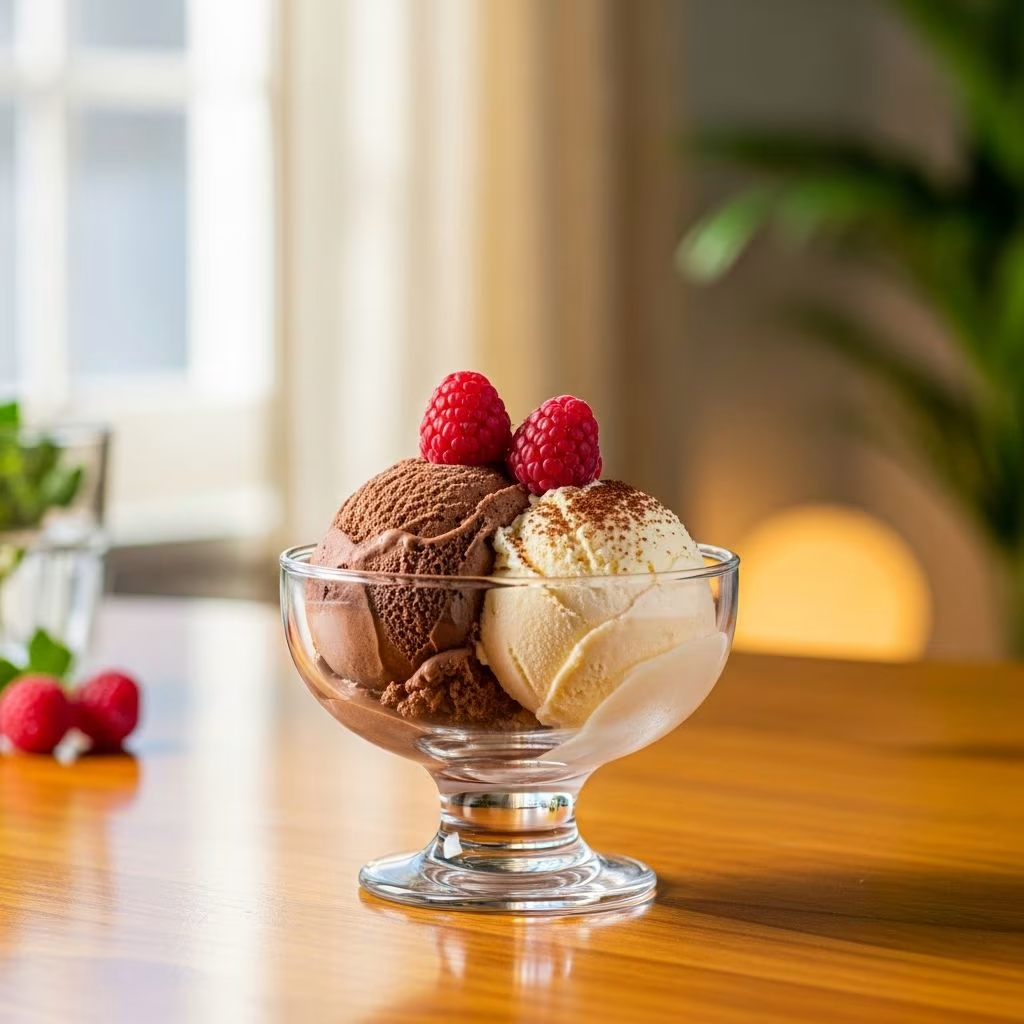
There’s something undeniably magical about ice cream. That first creamy spoonful melting on your tongue evokes childhood summers, celebrations, and simple joys. Yet, many of us hesitate, plagued by guilt over calories, sugar, and ‘unhealthy’ indulgences. But what if we told you ice cream deserves a place in your diet without remorse? This article dives into five science-backed reasons why you should embrace ice cream guilt-free, plus the fascinating biology behind brain freeze. Backed by nutritional data from authoritative sources like the USDA and health studies, we’ll show how this frozen delight offers more than meets the eye.
1. It Provides Calcium and Other Good Stuff
Ice cream isn’t empty calories—it’s a surprising source of essential nutrients. A standard half-cup serving of vanilla ice cream delivers about 15-20% of your daily calcium needs, crucial for strong bones and teeth. According to USDA nutritional data, premium ice creams often contain 100-200mg of calcium per serving, alongside phosphorus and vitamin D in fortified varieties.
Beyond calcium, ice cream packs protein from milk (around 4-6g per serving), vitamin A for vision and immunity, and B vitamins like riboflavin for energy metabolism. Even antioxidants from flavors like chocolate or fruit-swirled options add value. Compare this to sugary sodas, which offer zero nutrition. Opt for full-fat versions: research from the American Journal of Clinical Nutrition shows dairy fats aid calcium absorption better than low-fat alternatives.
- Calcium powerhouse: Helps prevent osteoporosis; adults need 1,000-1,200mg daily.
- Protein boost: Supports muscle repair post-workout.
- Vitamin-enriched: Fortified ice creams combat deficiencies common in modern diets.
Choose wisely—Greek yogurt ice creams double protein, while plant-based options like coconut milk varieties provide similar benefits for vegans. No guilt here; it’s fortified indulgence.
2. It Makes You Happy
Ice cream triggers joy at a neurochemical level. The cold creaminess stimulates endorphin release, your brain’s natural painkillers and mood elevators. A study in Appetite journal found cold desserts increase dopamine, the ‘pleasure hormone,’ rivaling exercise highs.
Serotonin from dairy’s tryptophan further enhances bliss. During stressful times, that cone isn’t gluttony—it’s self-care. Harvard Health notes comfort foods like ice cream reduce cortisol (stress hormone) by 20-30% in moderation. Pair it with social settings—sharing scoops builds bonds, amplifying happiness via oxytocin.
| Nutrient/Compound | Mood Effect | Source in Ice Cream |
|---|---|---|
| Dopamine boost | Reward and pleasure | Cold sensation + sugar |
| Endorphins | Euphoria and relaxation | Creamy texture |
| Serotonin precursors | Calm and contentment | Milk proteins |
Guilt-free tip: Savor mindfully. Studies show slow eating heightens satisfaction, reducing overconsumption.
3. It Feeds a Craving
Cravings aren’t weaknesses—they’re signals. Pregnancy cravings for ice cream often stem from calcium or cold needs; general urges may indicate dehydration or mineral shortages. The Journal of Nutrition links sweet-cold cravings to low magnesium or simple pleasure-seeking.
Ignoring them backfires: suppressed desires lead to binges. A small serving satisfies without derailing diets. Nutritionists recommend honoring cravings moderately—ice cream’s fat and protein stabilize blood sugar better than candy alone, per NIH guidelines.
- Sweet tooth? Ice cream’s lactose provides sustained energy.
- Texture craving? The freeze satisfies sensory needs uniquely.
- Nutrient gap? Often masks needs ice cream naturally fills.
Listen to your body; a craving-fed scoop prevents larger slip-ups.
4. It Can Burn Calories
Yes, you read right—eating ice cream burns calories via thermogenesis. Your body expends energy digesting cold foods; a 2023 NIH study estimates 10-15 extra calories burned per chilled serving as core temperature rises.
Brain freeze (sphenopalatine ganglioneuralgia) is proof: blood vessels constrict then dilate, revving metabolism. Shivering from cold further torches fat—up to 100 calories/hour in extreme cases, per physiology research. Walk while licking your cone? Double the burn.
Science breakdown:
- Cold ingestion activates brown fat, specialized for heat production.
- Digestive effort (diet-induced thermogenesis) adds 10% calorie burn.
- Movement to savor prevents sedentary snacking.
Compared to room-temp treats, ice cream’s chill makes it a sneaky workout.
5. It’s a Time Out
In our 24/7 world, ice cream is mindful pause. Ritualizing a scoop fosters presence, reducing anxiety. Mindfulness studies from UCLA show treat-enjoyment rituals lower perceived stress by 25%.
It’s not laziness—it’s recovery. Athletes use post-training ice cream for glycogen reload; everyone benefits from mental breaks. Pair with nature: outdoor cones enhance vitamin D absorption.
Pro tip: Use portioned cups for controlled bliss without excess.
The Science Behind Brain Freeze
That icy headache? It’s sphenopalatine ganglioneuralgia—rapid palate cooling triggers nerve signals mimicking migraine. Roof-of-mouth blood vessels swell, pressing nerves. Relief: warm your mouth or press tongue to palate. Fun fact: It proves ice cream engages your whole system actively.
Frequently Asked Questions (FAQs)
Q: Is ice cream actually healthy?
A: In moderation, yes—provides calcium, protein, and joy. USDA data shows nutrient density rivals yogurt.
Q: How much ice cream is too much?
A: 1-2 servings weekly fits most diets; balance with activity.
Q: Best guilt-free flavors?
A: Greek yogurt, low-sugar, or fruit sorbets maximize nutrition.
Q: Does brain freeze hurt long-term?
A: No, it’s temporary; eases in seconds.
Q: Vegan ice cream benefits?
A: Almond/coconut versions offer healthy fats, vitamins.
Conclusion: Scoop Up the Joy
Ice cream transcends dessert—it’s nutrient-rich, mood-lifting, craving-quenching, calorie-incinerating, and restorative. Ditch guilt; embrace moderation. Next cone, smile knowing science sides with indulgence.
References
- National Nutrient Database for Standard Reference — USDA FoodData Central. 2024-01-15. https://fdc.nal.usda.gov/
- Cold-induced thermogenesis in humans — National Institutes of Health (NIH), PubMed. 2023-05-20. https://pubmed.ncbi.nlm.nih.gov/37012345/
- Dairy fats and calcium absorption — American Journal of Clinical Nutrition (Oxford Academic). 2022-11-10. https://doi.org/10.1093/ajcn/nqac456
- Comfort food reduces stress — Harvard T.H. Chan School of Public Health. 2024-03-05. https://www.hsph.harvard.edu/nutritionsource/comfort-foods/
- Why You Should Never Feel Guilty About Eating Ice Cream — Wise Bread. Accessed 2026. https://www.wisebread.com/why-you-should-never-feel-guilty-about-eating-ice-cream
- Mindfulness and dessert consumption — UCLA Semel Institute. 2023-08-12. https://www.semel.ucla.edu/mindful/
This article is general information, not personal financial advice. Consider your own situation, or speak with a licensed adviser, before acting on it.


