

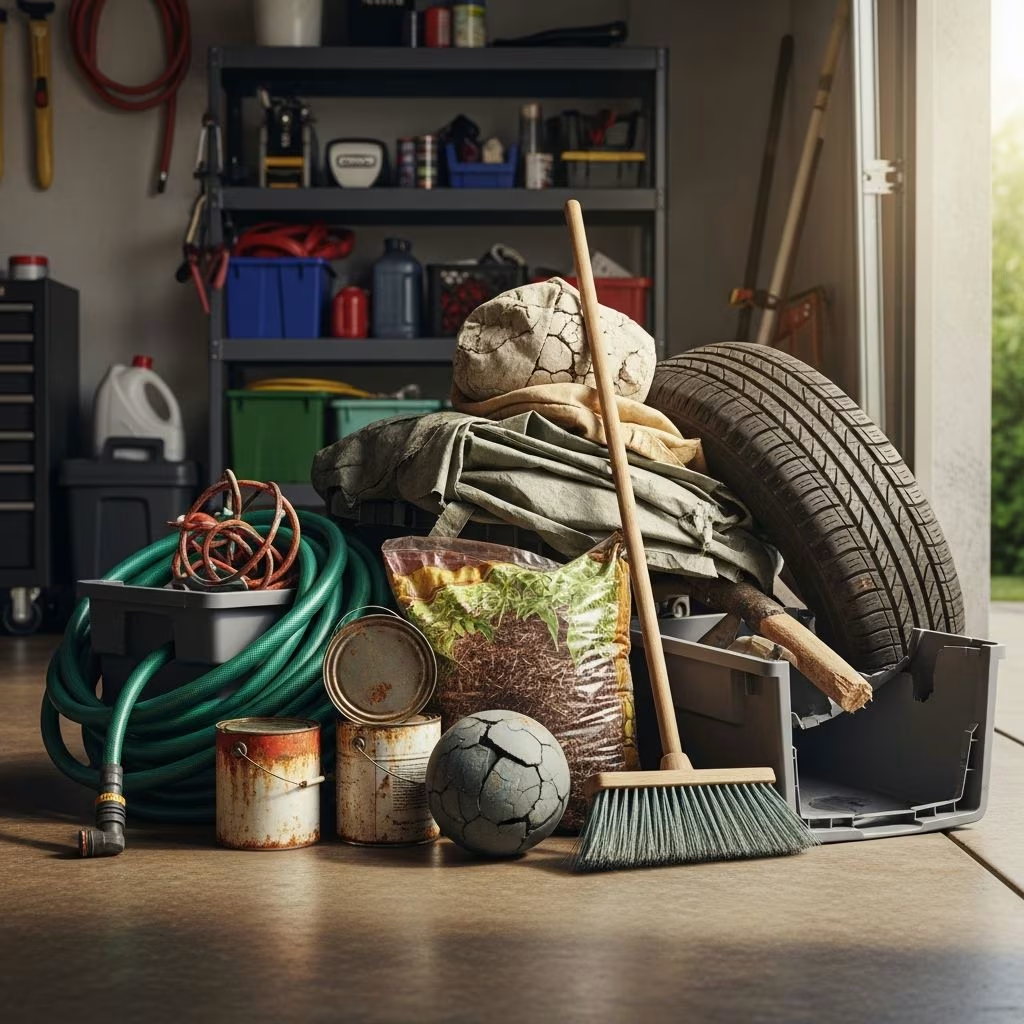
Your garage often serves as a catch-all for household overflow, seasonal gear, tools, and forgotten projects. Over time, it accumulates clutter that not only wastes valuable space but can also pose safety risks like fire hazards or chemical leaks. According to professional organizers, purging your garage biannually—spring and fall—prevents this buildup and stops overbuying duplicates. This article details the 8 key items to toss immediately, with reasons, disposal tips, and organization strategies to keep your space functional year-round.
1. Old Paint
Half-empty cans of latex or oil-based paint from past projects linger in garages, taking up shelf space and becoming unusable as they dry out or separate. Beyond clutter, old paint is hazardous: oil-based varieties are flammable, and dried paint can release harmful fumes if disturbed. The Environmental Protection Agency (EPA) classifies many paints as hazardous waste, recommending proper disposal to avoid soil and water contamination.
Why throw it out? Expired paint is ineffective for touch-ups and risky around children or pets. If it’s over two years old or the lid is rusted, it’s time to go.
- Check labels: Toss anything expired or unlabeled.
- Safety tip: Store active paint in a cool, dry spot; limit to essentials.
Disposal: Contact local hazardous waste facilities—many municipalities offer free drop-offs. Dry latex paint can go in regular trash if solidified with kitty litter. Reclaim that shelf for current supplies and enjoy a cleaner workspace.
2. Files and Paperwork
Receipts, manuals, warranties, and old tax documents pile up in boxes, attracting dust, pests, and moisture that lead to mold. Garages aren’t climate-controlled, making paper prone to degradation. Financial experts advise keeping digital scans for most records, retaining only 7 years of taxes physically if needed.
Scanning apps like Adobe Scan make digitizing easy, freeing space while ensuring accessibility. Old files often duplicate online versions from manufacturers.
- Shred sensitive docs: Use a cross-cut shredder for identity protection.
- Go digital: Apps store manuals indefinitely.
Purging paperwork transforms chaotic stacks into streamlined digital access, reducing fire fuel and pest attractants.
3. Armchairs and Cushions
Worn-out patio chairs, sofa cushions, or armchairs banished from the house collect in garages, harboring mold, bugs, and allergens from exposure. Fabric absorbs garage grime, oils, and moisture, making them unsalvageable and perfect pest habitats.
Professionals note these items block access to tools and vehicles while offering no practical use.
| Item | Problem | Solution |
|---|---|---|
| Armchairs | Moldy, bug-infested | Donate if intact; trash if damaged |
| Cushions | Water-damaged | Curbside bulk pickup |
Replace with durable plastic storage bins for weatherproof organization.
4. Old Motor Oil and Oily Rags
Used motor oil from oil changes and rags wiped with solvents are fire hazards—oily rags can spontaneously combust via oxidation. The National Fire Protection Association reports garage fires often stem from improper chemical storage.
Oil degrades rubber seals and attracts rodents; never pour down drains, as it pollutes waterways per EPA guidelines.
- Store rags in airtight metal bins soaked in water.
- Oil disposal: Auto parts stores like AutoZone accept free recycling.
Toss immediately to eliminate fire risks and comply with environmental regs.
5. Expired or Unused Chemicals
Bug sprays, fertilizers, cleaners, and pool chemicals expire, losing efficacy while becoming unstable or corrosive. Leaking containers damage floors and pose inhalation risks.
Hazards:
- Flammable solvents ignite easily.
- Fertilizers attract pests if spilled.
Inventory annually: If unused for 2+ years or past date, dispose via household hazardous waste programs. Many Home Depot locations host events.
6. Broken Appliances and Electronics
Defunct lawnmowers, microwaves, or vacuums await ‘repairs’ that never happen, collecting dust and rust. If repair costs exceed replacement value, recycle them. E-waste contains lead and mercury, harmful if landfilled—EPA urges proper recycling.
- Best Buy and Home Depot offer free drop-offs.
- Audit: Keep only fixable items with scheduled repairs.
This purge prevents a ‘graveyard’ effect, opening space for active gear.
7. Mismatched Hardware, Wires, and Duplicate Tools
Random screws, nails, orphan chargers, and extra hammers accumulate, creating unsafe jumbles. Duplicates arise from ‘just in case’ buying.
Organize keepers in labeled bins; toss the rest. Videos highlight post-retirement tool audits revealing multiples.
| Category | Keep | Toss |
|---|---|---|
| Hardware | Matched sets | Mystery singles |
| Wires | Current device matches | Unknown cords |
| Tools | One quality per type | Duplicates |
8. Outgrown Toys, Sports Gear, and Excess Building Materials
Busted bikes, cracked bats, and leftover renovation tiles hoard space. Kids outgrow toys; gear breaks from weather. Excess materials (e.g., full tile boxes) are unlikely to match future needs.
- Toys: Donate usable items to Goodwill.
- Sports: Sell on Facebook Marketplace.
- Materials: Keep samples only; recycle scraps.
Cardboard boxes also go—they attract bugs and weaken.
General Decluttering Tips
Purge twice yearly during seasonal shifts. Categorize into trash, donate, sell, recycle. Use vertical storage: Pegboards for tools, shelves for bins. Label everything for maintenance.
- Schedule: 2-4 hours per session.
- Motivation: Measure before/after space gained.
- Safety first: Wear gloves, ventilate for chemicals.
Frequently Asked Questions (FAQs)
Q: How often should I declutter my garage?
A: Twice a year, spring and fall, to rotate seasonal items and prevent buildup.
Q: What if I need hazardous waste disposal?
A: Use local facilities or events via Earth911.com; many are free for residents.
Q: Can I donate broken toys or gear?
A: Only intact items; charities like Habitat ReStore take tools/materials.
Q: How do I organize after purging?
A: Zone areas: Tools left, sports center, chemicals high shelf.
Q: Is old paint recyclable?
A: Yes, at hazmat sites; dry latex for trash.
Implementing these steps yields a safer, more efficient garage, saving time and money long-term.
References
- 8 Garage Items to Throw Out Immediately, According to Organizers — House Beautiful. 2024-10-15. https://www.housebeautiful.com/lifestyle/organizing-tips/a61627552/things-in-garage-to-throw-out-according-to-organizers/
- 8 Things in Your Garage You Should Throw Out Today — Wise Bread. 2015-06-10. https://www.wisebread.com/8-things-in-your-garage-you-should-throw-out-today
- 21 Home Items That Are a TOTAL WASTE of Money After Retirement — YouTube (Transcript). 2024-01-01. https://www.youtube.com/watch?v=iRliripbt10
This article is general information, not personal financial advice. Consider your own situation, or speak with a licensed adviser, before acting on it.


