

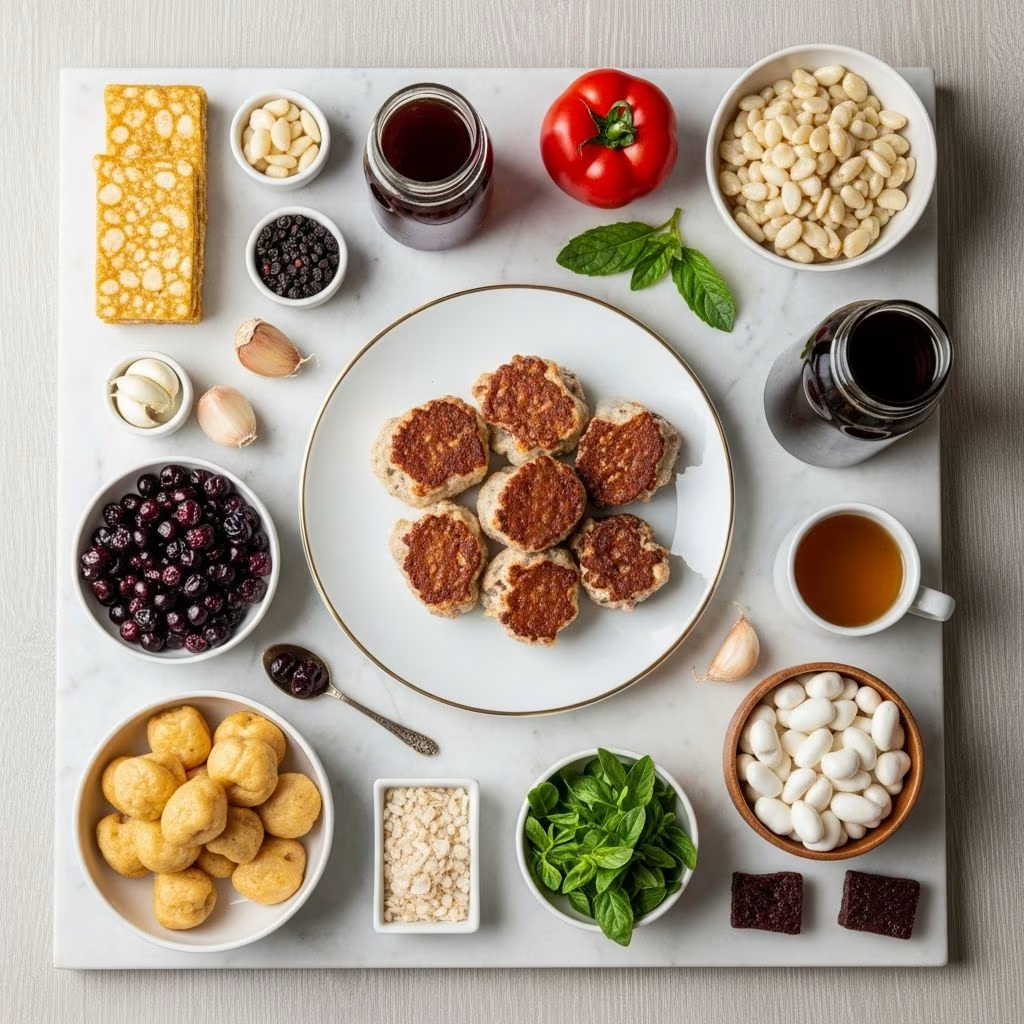
While frugal shopping is key to managing grocery budgets, certain foods merit a splurge for their exceptional nutritional density, flavor enhancement, and long-term health benefits. Nutritionists emphasize investing in high-quality versions of these items because they deliver outsized value, transforming ordinary meals into nutrient powerhouses. This article explores 12 such foods, drawing from expert insights on their benefits, selection tips, and usage ideas to help you eat smarter without overspending.
1. Dark Leafy Greens (Spinach, Kale, Collards)
Dark leafy greens top the list of vegetables worth premium pricing due to their unparalleled nutrient profile. Varieties like spinach, kale, romaine, collards, turnip greens, mustard greens, and broccolini are packed with vitamins A, C, K, minerals such as iron and calcium, and phytochemicals that protect cells and bolster immunity—all at minimal calories. Sharon Palmer, RD, calls them “some of the most nutrient-dense foods on the planet.” Aim for 1½ to 2 cups weekly.
Splurge on organic or hydroponically grown bunches for cleaner, more vibrant leaves free from pesticides. Incorporate them into salads, smoothies (to mask bitterness), wraps, or as crispy oven-baked chips with olive oil and sea salt. A spinach and sweet potato quesadilla offers a delicious entry point. These greens reduce chronic disease risk and support detoxification, justifying the extra cost over pale, less nutritious alternatives.
2. Cruciferous Vegetables (Broccoli, Cauliflower, Brussels Sprouts, Kale)
Cruciferous veggies like broccoli, cauliflower, Brussels sprouts, cabbage, and kale shine for their cancer-fighting sulforaphane and antioxidants. Erin Palinski-Wade, RD, notes they add flavor while slashing cancer risk through multiple studies. Kale doubles as both leafy green and cruciferous, amplifying its value.
- Selection Tip: Choose firm, deep-green heads; avoid yellowing or limp produce.
- Prep Ideas: Roast Brussels sprouts with garlic, steam broccoli for stir-fries, or blend cauliflower into mashed “potatoes.”
Splurging on fresh, local cruciferous produce ensures peak enzyme activity for maximum health benefits, far superior to frozen or processed versions.
3. Avocados
Avocados deliver heart-healthy monounsaturated fats (MUFAs), fiber, vitamin E, B vitamins, and potassium. A quarter avocado on salad provides sustained energy. Their creamy texture elevates dishes while supporting cholesterol management and skin health.
Opt for ripe (slightly soft) Hass avocados; splurge on organic to minimize pesticide residue. Use in guacamole, toast, smoothies, or as a mayo substitute. At 160 calories per fruit, they’re calorie-efficient nutrition bombs.
4. Berries (Blueberries, Raspberries, Blackberries, Strawberries)
Berries’ dark pigments pack antioxidants, polyphenols, anthocyanins, vitamin C, and manganese, linking to lower heart disease and dementia risk. At 80 calories per cup, blueberries promote collagen and energy conversion. Fresh berries stretch across meals when paired with yogurt.
Splurge on organic, in-season berries for superior taste and fewer chemicals. Add to yogurt, oatmeal, salads, or smoothies—aim for 3 cups weekly. Frozen works for off-season but fresh peaks in flavor.
5. Tofu
This plant-based protein powerhouse offers 10g per serving, subbing for meat in stir-fries, curries, lasagna, or scrambles. Studies link moderate tofu intake to heart health and cancer protection. Soy’s complete amino acids make it ideal for vegetarians.
Choose organic, non-GMO firm or extra-firm tofu; splurge on sprouted varieties for better digestibility. Press and marinate for optimal texture.
6. Nuts (Almonds, Walnuts, Pistachios)
Nuts provide heart-healthy fats, protein, vitamins, and minerals in bite-sized form. Raw or dry-roasted, unsalted nuts outperform oil-roasted versions. They curb hunger and support brain health.
- Almonds: Vitamin E for skin.
- Walnuts: Omega-3s for heart.
- Pistachios: Lowest calorie nut.
Splurge on bulk, high-quality raw nuts; portion to 1oz daily to avoid excess calories.
7. Greek Yogurt
Greek yogurt doubles regular yogurt’s protein, aiding satiety with calcium. Low-fat plain versions minimize fat while maximizing benefits. Tangy and thick, it’s versatile for snacks, smoothies, or mayo swaps.
Select grass-fed or full-fat organic for probiotics and creaminess; flavor with fruit and honey. Use in dips, marinades, or baking.
8. Cottage Cheese
Low-carb, high-protein cottage cheese suits carb-conscious diets. Blend into smoothies or make protein pancakes. Low-sodium, ½ cup daily keeps sodium in check.
Splurge on small-curd, low-fat organic; pair with berries or tomatoes for savory snacks.
9. Extra Virgin Olive Oil
A fruity EVOO acts as a condiment, rich in anti-inflammatory polyphenols. Drizzle on veggies or toast—never cook with premium bottles to preserve flavor.
Choose cold-pressed, single-origin; store in dark bottles. Health benefits rival supplements.
10. Herbs and Spices
Quality dried herbs (e.g., Penzeys) amplify flavor without calories, outlasting cheap powders. Grow fresh basil or oregano for endless supply.
Splurge on small jars of cumin, paprika, or saffron for global cuisines.
11. Parmesan Cheese
Real Parmigiano-Reggiano adds umami; grate over pasta or salads. Aged varieties intensify flavor, reducing usage quantity.
Buy blocks over pre-grated for freshness.
12. Dark Chocolate
High-cocoa (70%+) dark chocolate satisfies with intense flavor, antioxidants, and less sugar. One square curbs cravings healthily.
Splurge on fair-trade bars; pair with nuts.
Budgeting Your Splurges
Balance splurges by prioritizing staples like beans while allocating 10-20% of your grocery budget to these. Shop sales, bulk, or local farms. Track via apps to stay under USDA thrifty plans.
| Food | Weekly Goal | Cost-Saving Tip |
|---|---|---|
| Leafy Greens | 1½-2 cups | Buy in bulk, freeze extras |
| Berries | 3 cups | Frozen off-season |
| Nuts | 1oz/day | Buy raw in bulk |
Frequently Asked Questions (FAQs)
Q: Why splurge on organic for these foods?
A: Organic versions often have higher nutrient levels and fewer pesticides, especially for thin-skinned produce like berries.
Q: Can I freeze berries and greens?
A: Yes, freeze berries for smoothies; blanch and freeze greens to retain nutrients.
Q: How to incorporate nuts without overeating?
A: Pre-portion into bags; add to yogurt or salads for controlled servings.
Q: Is Greek yogurt worth the extra cost?
A: Absolutely—double protein keeps you fuller longer, reducing snacking.
Q: Best way to store olive oil?
A: Cool, dark place; use within 6 months of opening.
Integrating these splurges elevates nutrition and enjoyment. Start with 3-4 favorites to build habits.
References
- 12 Foods You Need to Stop Buying—and 17 You Should Eat More — Time.com. 2017-07-20. https://time.com/4698980/best-worst-foods-buy/
- 10 Flavorful Foods Worth Splurging On — Wise Bread. Accessed 2026. https://www.wisebread.com/10-flavorful-foods-worth-splurging-on
- Dietary Guidelines for Americans, 2020-2025 — USDA.gov. 2020-12-31. https://www.dietaryguidelines.gov/sites/default/files/2020-12/Dietary_Guidelines_for_Americans_2020-2025.pdf
- Cruciferous Vegetables and Cancer Prevention — National Cancer Institute (cancer.gov). 2024-05-15. https://www.cancer.gov/about-cancer/causes-prevention/risk/diet/cruciferous-vegetables-fact-sheet
- Avocados and Cardiovascular Health — American Heart Association. 2022-08-10. https://www.ahajournals.org/doi/10.1161/JAHA.122.025657
This article is general information, not personal financial advice. Consider your own situation, or speak with a licensed adviser, before acting on it.


