

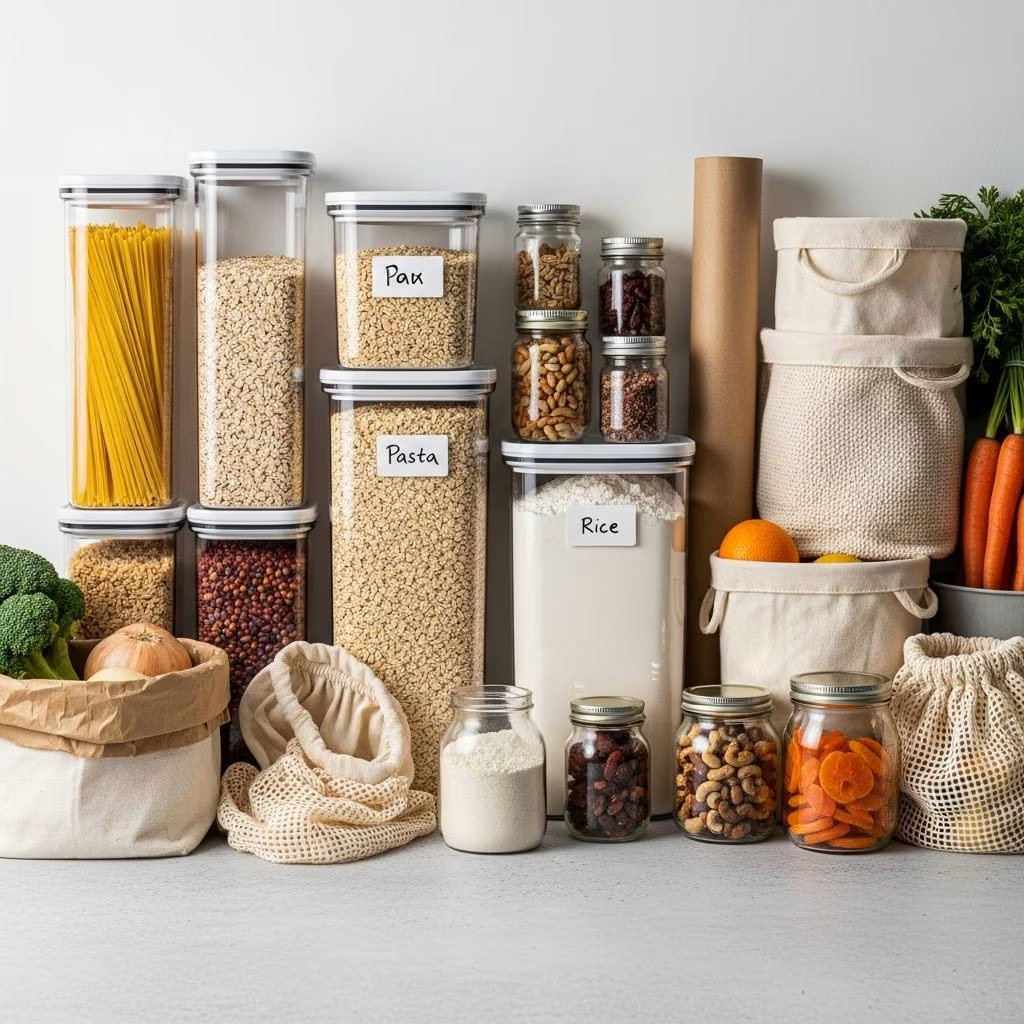
Bulk buying is both an art and a science. When executed properly, purchasing groceries in larger quantities can lead to substantial savings and help you stretch your household budget further. However, without proper planning and knowledge, bulk buying can backfire, leaving you with spoiled products, wasted money, and cluttered storage spaces. This comprehensive guide will help you navigate the complexities of bulk purchasing and maximize your savings while minimizing waste.
Understanding the Bulk Buying Landscape
The concept of buying in bulk seems straightforward: larger quantities typically cost less per unit, right? Unfortunately, this assumption isn’t always accurate. Many shoppers find themselves caught in the trap of attractive bulk prices without considering whether they’ll actually use everything before it expires. Success in bulk buying requires understanding which items truly offer savings and which ones simply drain your budget.
The appeal of warehouse clubs like Costco, Sam’s Club, and BJ’s Wholesale is undeniable, but these aren’t the only places to find bulk deals. Regular grocery stores often offer comparable bulk options without requiring a membership fee. The key is learning to compare unit prices, understand your household’s consumption rates, and make strategic purchasing decisions based on your actual needs.
What to Buy in Bulk
Not all products are created equal when it comes to bulk purchasing. Certain items are naturally suited for large-quantity buying, while others can become expensive mistakes if you’re not careful.
Excellent Bulk-Buying Candidates
- Dried goods and pantry staples: Rice, pasta, beans, and lentils have long shelf lives and store easily. These non-perishable items can sit in your pantry for months without degradation, making them ideal bulk purchases.
- Canned goods: Canned vegetables, fruits, soups, and proteins typically last for years when stored properly. They’re perfect for building an emergency food supply while saving money.
- Frozen foods: Frozen vegetables, fruits, and meats maintain their quality for extended periods in the freezer. This category offers genuine savings without the spoilage risk of fresh items.
- Condiments and sauces: Items like ketchup, mustard, soy sauce, and vinegar have indefinite shelf lives and are used regularly in most households.
- Coffee and tea: These items remain fresh for months when stored properly in airtight containers, making them smart bulk purchases for regular consumers.
- Cleaning and household supplies: Non-perishable items like laundry detergent, dish soap, and paper products don’t spoil and are used consistently.
Items to Avoid in Bulk
Certain products are notoriously problematic when purchased in large quantities, particularly for smaller households:
- Fresh produce: Berries, avocados, bananas, and leafy greens spoil quickly. Unless you have a large family or plan to preserve them, bulk produce often ends up in the trash. Pre-cut fruit salads are particularly wasteful, typically marked up by around 100%.
- Dairy products: Milk, yogurt, and cheese have limited shelf lives. Milk is often priced low at regular grocery stores as a “loss leader,” meaning bulk purchases don’t provide significant savings. Yogurt typically goes bad within a few weeks.
- Bread and baked goods: These items become stale or moldy quickly, even in bulk twin- or triple-packs. Unless you have freezer space and the intention to freeze them, regular-sized portions from rotating store deals offer better value.
- Spices and oils: While seemingly like safe bulk purchases, spices, brown rice, and olive oil lose quality after approximately six months. Buy these items in quantities you’ll use within this timeframe.
- Snack foods: Chips, crackers, and opened nuts become stale quickly due to oxygen exposure. Nuts and seeds require refrigeration to maintain freshness and are frequently discounted anyway.
Storage Strategies for Success
Proper storage is crucial for maximizing the value of your bulk purchases. Without appropriate storage methods, even the best bulk deals can result in waste.
Creating Optimal Storage Conditions
The first step in successful bulk storage is evaluating your available space. Before making large purchases, honestly assess your kitchen cabinets, pantry, basement, or other storage areas. Running out of space forces you to store items in inappropriate locations—like olive oil in your living room—which defeats the purpose and creates inconvenient access.
Temperature control matters significantly for pantry items. Store dried goods in cool, dry places away from direct sunlight. Heat, humidity, and light exposure can degrade quality and encourage pest infestations. Airtight containers are your friends for items like flour, sugar, rice, and cereals, protecting them from moisture and pests while extending shelf life.
Freezer storage extends the lifespan of many items dramatically. Bread, baked goods, and some produce can be frozen for later use. However, recognize that freezing is only a viable option if you have adequate freezer space—an often-overlooked limitation for apartment dwellers or those with standard refrigerator-freezers.
Organization and Inventory Management
Keep track of what you’ve purchased and when. Use a simple system—whether handwritten notes, a spreadsheet, or a dedicated app—to monitor expiration dates and consumption rates. This prevents forgotten items from spoiling and helps you understand your household’s actual usage patterns.
Implement a first-in, first-out system, placing older purchases in front of newer ones. This ensures older items get used before they expire. Label items with purchase dates when items lack clear expiration dates, particularly with home-frozen goods.
Maximizing Your Bulk-Buying Savings
Compare Unit Prices Carefully
One of the most critical skills for successful bulk buying is comparing unit prices—the cost per ounce, pound, or item. Don’t assume that the largest package is the cheapest per unit. Retailers sometimes price items strategically, and bulk packages don’t always offer better unit prices. A calculator and attention to detail will protect your budget.
Evaluate Warehouse Club Membership
Warehouse club memberships typically cost $50-$150 annually. These make financial sense only if you’ll visit more than a few times per year or plan to make large purchases. Don’t join unless you’ll genuinely benefit. Additionally, resist the urge to buy everything at your warehouse club. Often, local grocery stores offer competitive or superior deals on specific items, so combining warehouse shopping with strategic grocery store purchases maximizes savings.
Strategic Shopping Approaches
- Split large purchases: Share bulk buys with family members or neighbors, dividing costs and quantities. This is particularly useful for items you might not otherwise use in time.
- Avoid impulse buying: Bulk stores often offer free samples designed to tempt you into purchasing more. Stick to your list and avoid the free sample stations.
- Choose store brands: Generic bulk items often cost significantly less than name brands with identical quality.
- Use savings apps: Digital coupons and cashback apps further reduce bulk purchase costs.
- Shop the rotating deals: Grocery stores regularly discount different items. Watch these rotations for better deals than warehouse pricing.
Planning Your Bulk-Buying Strategy
Successful bulk buying begins before you enter the store. Create a detailed shopping list based on your household’s actual consumption rates, not just items that seem like good deals. Track what your family uses regularly over several weeks, then determine appropriate bulk quantities.
Consider your family size and composition. Large families with multiple children benefit far more from bulk purchasing than single individuals or couples. Similarly, households with dietary preferences—vegetarians, those with food allergies, or people following specific diets—need to carefully select bulk items matching their actual needs.
Frequently Asked Questions
Q: Is bulk buying worth the annual warehouse club membership fee?
A: Yes, if you visit more than a few times annually or plan major purchases. For occasional shoppers, regular grocery stores often provide competitive bulk options without membership costs.
Q: What’s the best way to store frozen bulk purchases?
A: Organize frozen items clearly, label with purchase dates, and use a first-in, first-out system. Keep a freezer inventory list to prevent forgotten items and optimize space usage.
Q: Can I return bulk items if I don’t use them?
A: Most warehouse clubs have generous return policies, even on bulk items. Check your store’s specific policy, but generally, unopened items in good condition can be returned.
Q: How do I prevent pantry pests when storing bulk items?
A: Use airtight containers for dry goods, store items in cool dry locations away from moisture, and inspect products for signs of pests before storing. Consider food-grade storage containers or vacuum-sealed bags.
Q: Should I freeze bread purchased in bulk?
A: Yes, freezing is an excellent option for bread, but only if you have adequate freezer space. Frozen bread stays fresh for several months and thaws quickly for use.
Q: What items should I never buy in bulk?
A: Fresh produce, dairy products, bread, and highly perishable items are risky bulk purchases. These items spoil quickly and often represent poor value despite lower per-unit prices.
Conclusion
Bulk buying, when approached strategically, offers legitimate opportunities to reduce your grocery budget and build a well-stocked pantry. The key is understanding which items offer genuine savings, assessing your actual consumption rates, and implementing proper storage systems. Avoid the temptation to buy everything in the largest package, resist impulse purchases triggered by attractive displays, and remember that an item isn’t a bargain if it spoils before you use it. By following these guidelines and remaining flexible in your approach, you can master the art of bulk buying and achieve meaningful savings for your household.
References
- 5 Tips for Buying Groceries in Bulk — HowStuffWorks. https://money.howstuffworks.com/personal-finance/budgeting/5-tips-buying-groceries-in-bulk.htm
- 5 Bulk Grocery Staples That Might Actually Be a Waste of Money — Fox 13 News. https://www.fox13news.com/news/5-bulk-grocery-staples-waste-money
- Go Green: Your Guide to Sustainable Lifestyle at the Shop — Bibliotheca Alexandrina. https://www.bibalex.org/SCIplanet/en/article/details.aspx?id=18058
- The 4 Myths of Buying in Bulk Dispelled — Wise Bread. https://www.wisebread.com/the-4-myths-of-buying-in-bulk-dispelled
This article is general information, not personal financial advice. Consider your own situation, or speak with a licensed adviser, before acting on it.


