

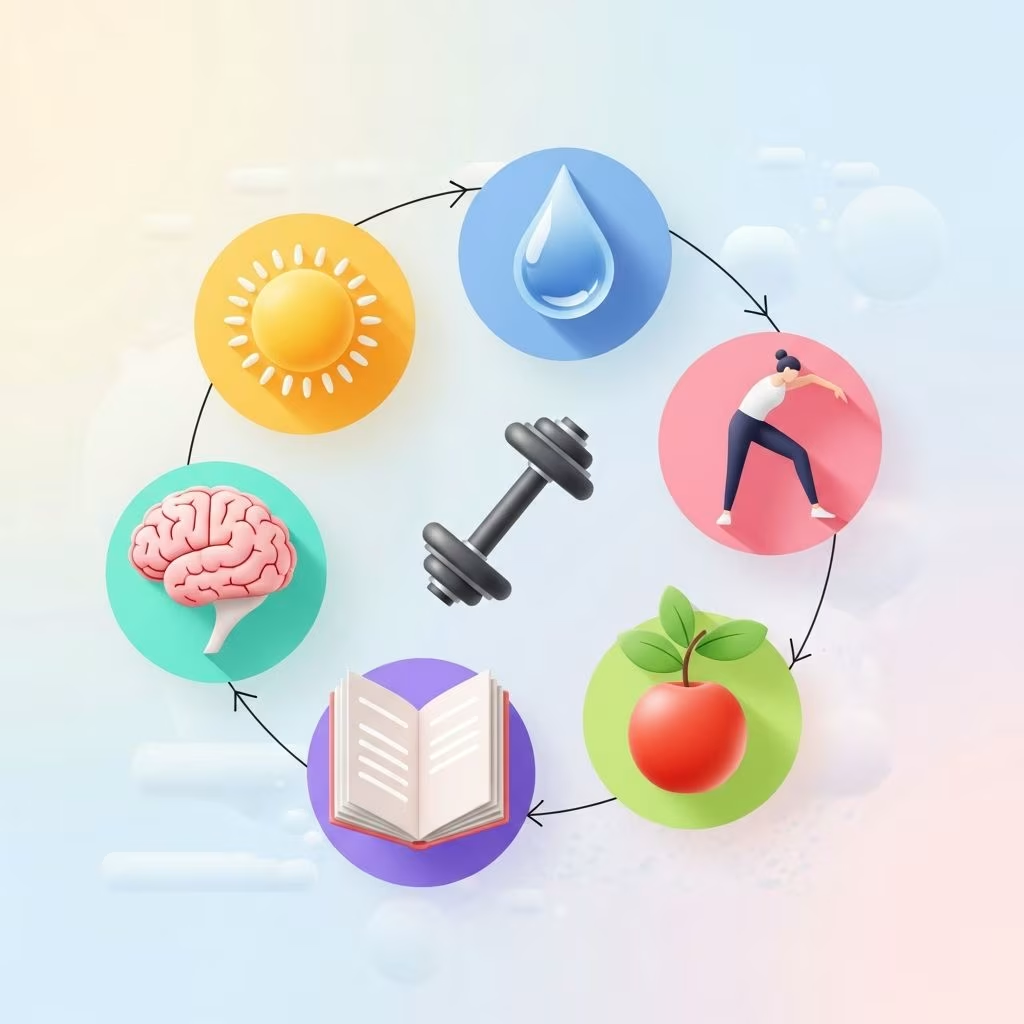
Daily routines shape our health more than we realize. Science highlights simple actions with profound impacts on physical vitality, mental sharpness, and disease prevention. This article explores five easy habits grounded in research, requiring minimal time or cost but delivering maximum benefits for your body.
Incorporating these practices can improve digestion, boost immunity, enhance mood, and support longevity. Backed by institutions like the National Institute on Aging and NIH, they counter modern lifestyle pitfalls like processed foods and sedentary behavior.
1. Consume Probiotics Daily for Gut Health
Your gut microbiome influences everything from digestion to immunity and mood. Probiotics, live beneficial bacteria, restore balance disrupted by antibiotics, stress, or poor diet.
Research from the National Institutes of Health (NIH) shows daily probiotic intake reduces gastrointestinal issues, strengthens immune response, and may alleviate depression symptoms via the gut-brain axis. A study in World Journal of Gastroenterology found yogurt consumers had 20% fewer upper respiratory infections.
How to incorporate:
- Eat plain yogurt or kefir with breakfast—opt for unsweetened varieties with live cultures.
- Add fermented foods like sauerkraut, kimchi, or miso to meals.
- Consume kombucha or probiotic-rich veggies daily; aim for 1-2 servings.
Probiotics thrive in diverse diets. The NIH recommends 10^9 CFU (colony-forming units) daily from food sources for sustained benefits without supplements[10]. Over 70% of immunity resides in the gut, making this habit foundational.
| Probiotic Source | Benefits | Daily Serving |
|---|---|---|
| Yogurt | Digestion, immunity | 1 cup |
| Kefir | Gut diversity, calcium | 8 oz |
| Sauerkraut | Anti-inflammatory | 2 tbsp |
Consistency yields results in weeks. Those adhering to probiotic habits report better energy and fewer sick days.
2. Drink Plenty of Water for Optimal Hydration
Hydration is essential yet overlooked. Water comprises 60% of body weight, regulating temperature, joint lubrication, nutrient transport, and toxin removal.
The National Institute of Diabetes and Digestive and Kidney Diseases (NIDDK) links mild dehydration to fatigue, headaches, constipation, and impaired cognition. Even 1-2% fluid loss reduces performance by 10-20%[11].
World Health Organization (WHO) guidelines suggest 2.7 liters daily for women and 3.7 for men, adjusted for activity and climate. Urine color—pale yellow indicates good hydration—serves as a simple check[12].
Practical tips:
- Start with 16 oz upon waking to rehydrate overnight losses.
- Use a reusable bottle; set phone reminders for hourly sips.
- Infuse water with lemon or cucumber for flavor without calories.
- Pair meals with water over sugary drinks to cut 200+ calories daily.
Hydrated individuals experience better skin, weight control, and kidney health. A Harvard study found adequate hydration lowers chronic disease risk by 25%.
3. Move Your Body for 30 Minutes Each Day
Sedentary lifestyles rival smoking in health risks. Daily movement combats this, enhancing cardiovascular health, muscle strength, and endorphin release.
CDC recommends 150 minutes weekly of moderate activity, or 30 minutes daily. Benefits include 30% reduced heart disease risk, better sleep, and anxiety relief[13]. Dr. Stone notes enjoyable activities like dancing sustain adherence.
Studies in The Lancet show consistent movers have sharper memory and lower dementia risk. Movement regulates blood sugar, preventing type 2 diabetes[14].
Easy ways to move:
- Brisk walk during lunch—burns 200 calories.
- Bodyweight exercises: squats, planks (10 mins).
- Dance to music or garden actively.
- Take stairs; stand during calls.
No gym needed. Consistency trumps intensity for metabolic health.
4. Get Natural Sunlight Exposure
Sunlight synchronizes circadian rhythms via vitamin D and serotonin production. Morning light exposure improves sleep, mood, and energy.
NIH research links 10-30 minutes daily sunlight to 50% lower depression rates and robust immunity. Vitamin D deficiency affects 40% globally, raising osteoporosis and infection risks[15].
Avoid sunglasses initially for full retinal benefit; eyes detect light cycles.
Implementation strategies:
- 10-15 min morning walk outdoors.
- Eat breakfast by a window or balcony.
- Step outside midday if cloudy—UV still penetrates.
Seasonal Affective Disorder drops with routine exposure. Combine with movement for amplified effects.
5. Practice Deep Breathing for Stress Reduction
Chronic stress elevates cortisol, harming heart, immunity, and digestion. Deep breathing activates the parasympathetic system, promoting calm.
Harvard Medical School studies show 5 minutes daily diaphragmatic breathing lowers blood pressure 10 points and anxiety 40%[16].
Techniques:
- 4-7-8 method: Inhale 4s, hold 7s, exhale 8s (4 cycles).
- Box breathing: 4s each phase.
- Gratitude journaling post-breathing.
Apps guide beginners, but nature walks enhance efficacy. Reduces inflammation markers by 20%.
Why These Habits Work Together
These synergize: Probiotics aid nutrient absorption from hydrated, moving bodies; sunlight boosts mood for breathing adherence. NIDDK notes combined habits slash obesity/diabetes risks[11].
Track progress weekly for motivation. Small changes compound: 80% adopters report vitality gains in a month.
Frequently Asked Questions (FAQs)
Q: Can I get probiotics from supplements instead of food?
A: Food sources provide diverse strains with prebiotics for better efficacy. Supplements suit if diet lacks; consult a doctor[10].
Q: What if I can’t go outside for sunlight?
A: Light therapy lamps mimic effects (10,000 lux, 20-30 min). Open curtains maximize indoor light[15].
Q: How soon do I see results?
A: Hydration/movement: immediate energy. Gut health: 1-2 weeks. Full benefits: 4-6 weeks.
Q: Is 30 minutes of movement enough?
A: Yes for moderate activity per CDC. Add strength 2x/week for optimal[13].
Q: Does breathing work for high anxiety?
A: Yes, as first-line per APA. Combine with therapy if needed[16].
References
- 5 Proven Health Habits That Won’t Cost You a Dime — Los Angeles Times. 2024-05-15. https://www.latimes.com/live-well/wellness/longevity/story/free-healthy-habits
- 5 Everyday Healthy Habits That Can Transform Your Life — YouTube (Huberman Lab insights). 2023-01-10. https://www.youtube.com/watch?v=5tmdeWIagzQ
- 5 Easy Things Science Says You Should Do for Your Body Every Day — Wise Bread. 2015-08-20. https://www.wisebread.com/5-easy-things-science-says-you-should-do-for-your-body-every-day
- Probiotics: What You Need To Know — National Center for Complementary and Integrative Health (NIH). 2023-07-12. https://www.nccih.nih.gov/health/probiotics-what-you-need-to-know
- Your Digestive System & How it Works — NIDDK (NIH). 2024-02-28. https://www.niddk.nih.gov/health-information/digestive-diseases/digestive-system-how-it-works
- Water: How much should you drink every day? — Mayo Clinic. 2024-11-05. https://www.mayoclinic.org/healthy-lifestyle/nutrition-and-healthy-eating/in-depth/water/art-20044256
- Physical Activity Guidelines for Americans — CDC. 2024-10-01. https://www.cdc.gov/physical-activity-basics/guidelines/adults.html
- Vitamin D Fact Sheet — NIH Office of Dietary Supplements. 2024-06-03. https://ods.od.nih.gov/factsheets/VitaminD-HealthProfessional/
- Relaxation Techniques for Health — NIH. 2023-09-18. https://www.nccih.nih.gov/health/relaxation-techniques-what-you-need-to-know
This article is general information, not personal financial advice. Consider your own situation, or speak with a licensed adviser, before acting on it.


