

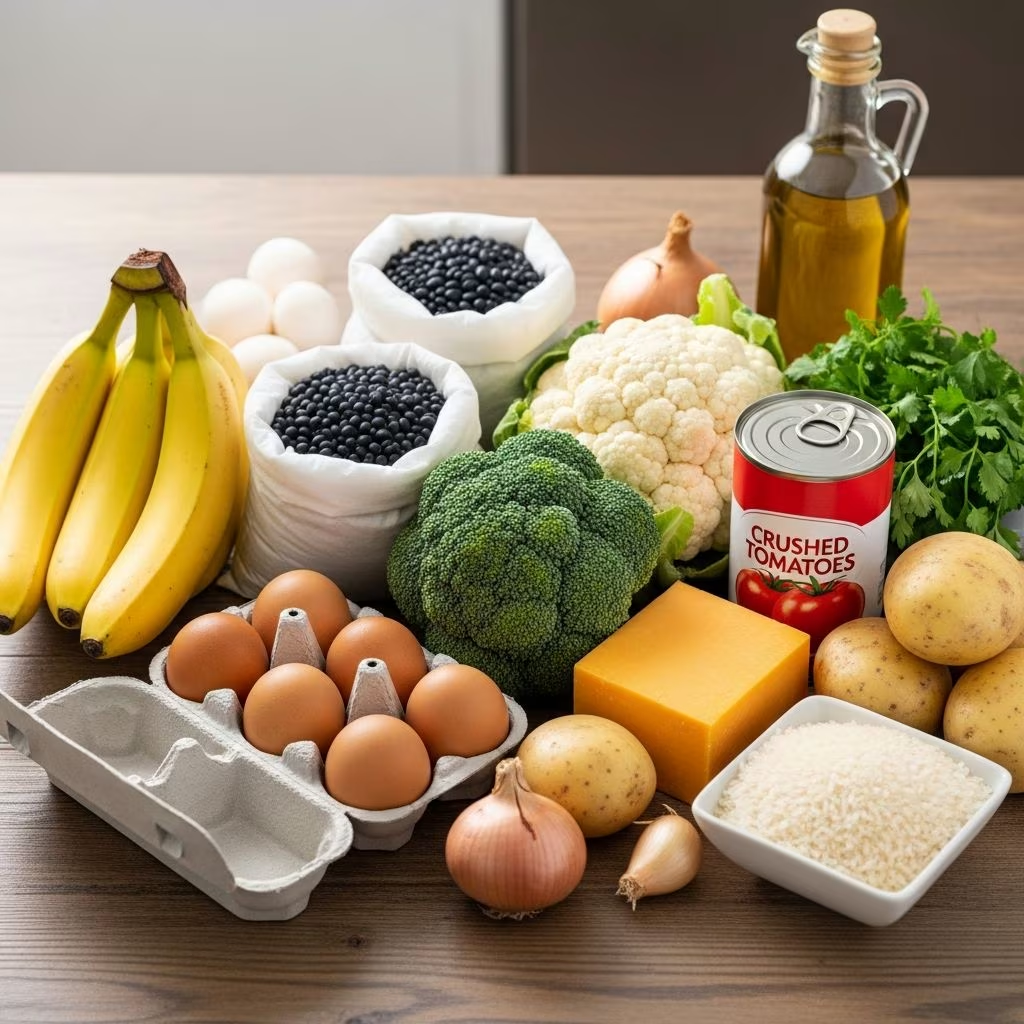
Learning to cook basic, inexpensive foods is one of the smartest money-saving strategies you can adopt. Staples like rice, beans, eggs, pasta, potatoes, and chicken form the foundation of budget-friendly meals that nourish your family without breaking the bank. By mastering these skills, you can reduce reliance on expensive takeout or pre-packaged foods, potentially saving hundreds on your grocery bill each month. This guide covers essential techniques, recipes, and tips drawn from frugal living principles to help you cook confidently and economically.
Why Cooking Staples Saves Money
Cooking from scratch with affordable staples slashes food expenses significantly. According to financial experts, home-cooked meals using bulk buys like rice and beans cost pennies per serving compared to dining out or processed alternatives. These foods are versatile, store well, and provide balanced nutrition, making them ideal for tight budgets. Focus on buying in bulk from wholesale clubs, using coupons, and avoiding waste to maximize savings.
How to Cook Rice Perfectly Every Time
Rice is a cornerstone of frugal kitchens worldwide, offering high yield at low cost. A pound of dry rice yields up to 10 cups cooked, feeding a family for days.
- Basic White Rice: Rinse 1 cup rice under cold water to remove excess starch. In a saucepan, bring 2 cups water to a boil with 1/2 tsp salt. Add rice, reduce heat to low, cover, and simmer 18-20 minutes. Fluff with a fork. Yields 3 cups.
- Brown Rice Variation: Use 2.5 cups water per cup rice; simmer 40-45 minutes for nuttier flavor and more fiber.
- One-Pot Fried Rice: Cook rice ahead. Sauté diced veggies (carrots, peas) in oil, add cold rice, soy sauce, scrambled egg, and green onions. Serves 4 for under $2.
Tip: Store dry rice in airtight containers for up to a year. Pair with beans for complete protein.
Mastering Beans: From Dry to Delicious
Dry beans are cheaper than canned—up to 50% less—and customizable. Soak overnight for creamier texture and easier digestion.
- Basic Boiled Beans: Rinse 1 lb dry beans. Soak 8 hours in water. Drain, cover with fresh water (3 inches above), add onion, garlic, bay leaf. Boil, then simmer 1-2 hours until tender. Season with salt last 30 minutes.
- Refried Beans: Mash cooked pinto beans with onion, garlic, cumin, and lard or oil. Perfect for burritos.
- Bean Soup: Blend cooked beans with broth, carrots, celery, and herbs. Freezes well for weeks.
Pro Tip: Pressure cookers cut cooking time to 30 minutes. Buy in bulk from ethnic markets for best prices.
Eggs: The Ultimate Budget Protein
Eggs cost about $2-3 per dozen and pack 6g protein each. Versatile for breakfast, lunch, or dinner.
- Perfect Hard-Boiled Eggs: Place eggs in pot, cover with cold water by 1 inch. Bring to boil, cover, remove from heat, wait 9-12 minutes. Ice bath for easy peeling.
- Frittata: Whisk 6 eggs with milk, cheese, veggies, ham scraps. Bake in skillet at 375°F for 20 minutes. Serves 4.
- Egg Fried Rice: Scramble eggs, mix into leftover rice with soy sauce and veggies.
| Egg Dish | Cost per Serving | Prep Time |
|---|---|---|
| Hard-Boiled | $0.17 | 15 min |
| Frittata | $0.75 | 25 min |
| Omelet | $0.50 | 10 min |
Eggs store 4-5 weeks in fridge; freeze whites for baking.
Pasta: Quick, Cheap Comfort Food
Pasta costs under $1/lb and cooks in 10 minutes. Pair with sauces from pantry staples.
- Simple Tomato Sauce: Sauté garlic, onion in oil. Add canned tomatoes, basil, simmer 20 minutes. Toss with spaghetti.
- Pesto Pasta: Blend basil, garlic, pine nuts (or walnuts), parmesan, oil. Mix with cooked pasta.
- Mac and Cheese: Cook pasta, make roux with butter/flour/milk, stir in cheese. Bake optional.
Tip: Cook al dente to avoid mushiness. Double batches for leftovers.
Potatoes: Versatile and Filling
Potatoes are nutrient-dense at $0.50/lb. Bake, boil, or fry for variety.
- Baked Potatoes: Poke holes, bake 425°F 45-60 minutes. Top with chili, cheese, sour cream.
- Potato Soup: Boil diced potatoes, onion, broth. Blend half, add milk. Garnish with chives.
- Home Fries: Dice, parboil, fry with onions, peppers, seasoning.
Store in cool, dark place up to 2 months. Use skins for extra fiber.
Chicken: Affordable Meat Mastery
Buy whole chickens or thighs for best value. Stretch one bird into multiple meals.
- Roast Chicken: Season whole bird, roast 375°F 1-1.5 hours. Use carcass for broth.
- Chicken Stir-Fry: Cube thighs, stir-fry with veggies, soy sauce over rice.
- Chicken Noodle Soup: Simmer bones, add noodles, carrots, celery.
Tip: Freeze portions raw. Thighs are juicier and cheaper than breasts.
Bonus Staples: Oats, Lentils, and Bread
Oatmeal Basics
Steel-cut oats cost $0.20/serving. Cook 1:3 oats-to-water, simmer 20-30 minutes. Top with fruit, nuts.
Lentils: Fast and Foolproof
No soaking needed. Simmer 1 cup lentils in 3 cups water 20-30 minutes. Make dal, salads, or stew.
Homemade Bread
Mix flour, yeast, salt, water. Knead, rise, bake. No-knead version for beginners: 3 cups flour, 1/4 tsp yeast, 1.5 tsp salt, 1.5 cups water. Rise 12-18 hours, bake in Dutch oven.
Frugal Kitchen Hacks
- Buy generic brands and bulk.
- Meal plan weekly to avoid waste.
- Repurpose leftovers creatively.
- Use slow cookers or Instant Pots for hands-off cooking.
- Grow herbs indoors for fresh flavor cheap.
These habits, inspired by extreme saving tips like avoiding shopping and using coupons, amplify your savings. Cooking staples builds skills that last a lifetime.
Frequently Asked Questions (FAQs)
Q: How much can I save by cooking these staples?
A: Families report saving $200-500/month by replacing takeout with home-cooked rice, beans, and eggs.
Q: What’s the cheapest protein source?
A: Eggs and dry beans at $0.10-0.20 per serving, far below meat.
Q: Can beginners master these recipes?
A: Yes, all methods are simple with step-by-step instructions and minimal equipment.
Q: How do I store cooked staples?
A: Refrigerate 3-5 days; freeze up to 3 months in portions.
Q: Are these meals nutritious?
A: Absolutely—combine rice/beans for complete proteins; add veggies for balance.
References
- USDA FoodKeeper App: Storage Guidelines for Staples — United States Department of Agriculture. 2024-01-15. https://www.foodsafety.gov/keep-food-safe/foodkeeper-app
- ChooseMyPlate: Budget-Friendly Meal Planning — United States Department of Agriculture/MyPlate.gov. 2025-06-10. https://www.myplate.gov/eat-healthy/healthy-eating-budget
- Cost of Home Cooking vs. Eating Out — U.S. Bureau of Labor Statistics Consumer Expenditure Survey. 2024-09-01. https://www.bls.gov/cex/
- Nutritional Guidelines for Legumes and Grains — World Health Organization. 2023-11-20. https://www.who.int/publications/i/item/9789240078477
- Protein Content of Common Foods — Harvard T.H. Chan School of Public Health. 2025-02-14. https://www.hsph.harvard.edu/nutritionsource/protein/
This article is general information, not personal financial advice. Consider your own situation, or speak with a licensed adviser, before acting on it.


