

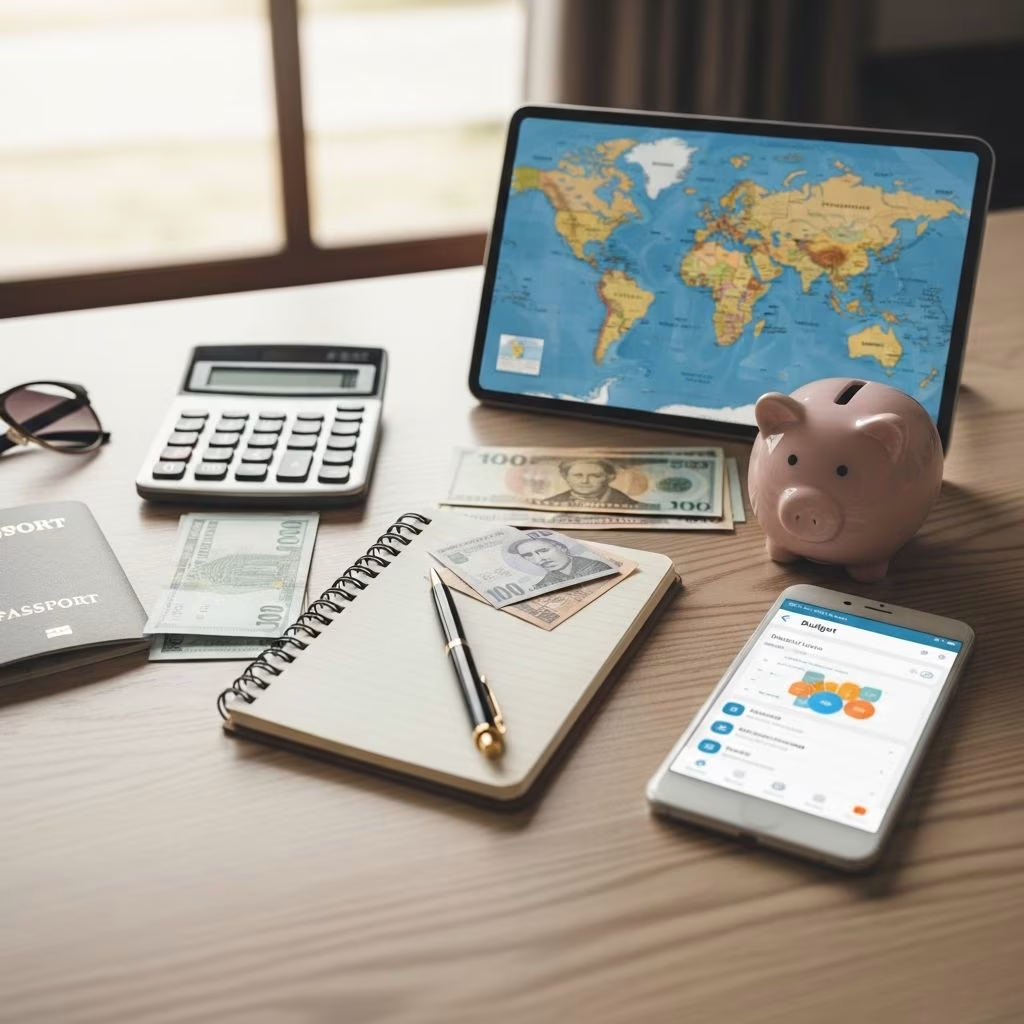
Creating a solid travel budget is essential for turning your dream vacation into a reality without financial stress. By systematically estimating costs, prioritizing expenses, and tracking spending, you can enjoy your trip while staying within your means. This guide covers every aspect of building and maintaining a robust travel budget, drawing from proven strategies used by savvy travelers.
Why You Need a Travel Budget
A travel budget acts as your financial roadmap, preventing overspending and unexpected debt. Vacations often trigger impulse buys, but a well-planned budget keeps you grounded. Research shows that travelers who budget in advance spend up to 30% less on average, according to consumer finance studies. Start by defining your trip’s scope: destination, duration, and travel style (luxury, budget, or mid-range).
Step 1: Set Clear Goals and Timeline
Begin with specific objectives. Decide on destinations, trip length, and key activities. For example, a two-week Europe trip might target cities like Paris and Rome. Set a savings deadline, such as six to 12 months, to create urgency. Calculate monthly savings needed: if your total budget is $5,000, save $833 monthly over six months.
- Visualize your trip with a mood board of destinations and activities.
- Break the timeline into milestones, like booking flights by month three.
- Adjust goals based on current savings to keep them realistic.
Step 2: Research and Estimate All Costs
List every potential expense category to avoid surprises. Use online tools like Numbeo for cost-of-living data and Google Flights for airfare comparisons. Factor in seasonal fluctuations—prices peak in summer for popular spots.
| Category | Estimated Cost (per day, USD) | Tips to Minimize |
|---|---|---|
| Accommodation | $50-150 | Book hostels or Airbnb for weekly discounts. |
| Food | $20-50 | Cook one meal daily; eat street food. |
| Transportation | $10-40 | Use public transit passes; walk or bike. |
| Activities | $15-60 | Seek free attractions; rent scooters. |
| Misc (SIM, insurance) | $5-15 | Buy eSIMs; get annual travel insurance. |
Average daily budget for budget travel: $100-200 per person in Europe or Asia.
Transportation Breakdown
Airfare often eats 30-50% of the budget. Compare low-cost carriers like Ryanair ($40 Rome-Paris) vs. trains ($136+). Ground transport: public buses save over taxis. Rent cars only if splitting costs; shop around to beat prices by 40%, as one traveler did in Croatia ($25 to $15/day).
Lodging Strategies
Opt for apartments over hotels for kitchens, saving on food. Longer stays yield discounts—negotiate weekly rates. Couchsurfing or hostels cut costs to $20/night.
Food and Dining
Budget 20-30% for meals. Grocery shop and cook breakfast/lunch; splurge on one dinner. In Paris or Rome, save hundreds by avoiding tourist traps.
Step 3: Build Your Savings Plan
Cut discretionary spending pre-trip. Track expenses for a week to identify leaks: eating out ($84/month for three meals/week), car ownership ($3,900/year vs. public transit). Switch to home-cooked meals, thrift shopping ($10-15 outfits), and free activities like hiking.
- Transport Savings: Bike, carpool, or use passes ($70/month average).
- Grocery Hacks: Limit to $100/month with sales and bulk buys.
- Credit Card Rewards: Use travel cards for gas/groceries to earn points toward flights.
Real example: One saver cut costs to $180/month (groceries $100, gas $50, phone $30), banking $12,000 in six months for travel.
Step 4: Tools for Tracking and Management
Use apps like Trail Wallet (iOS) for daily budgets, multi-currency tracking, and pie charts. Input purchases to monitor spending instantly—no manual math. Alternatives: Excel spreadsheets or free apps like TravelSpend.
- Set daily cash limit in wallet; empty means day’s end.
- Log everything, even small buys.
- Review weekly to adjust.
Step 5: Fool-Proof Ways to Stay on Budget
Even with planning, temptations arise. Here’s how to stick to it:
- Cash Envelope: Allocate daily amount; no more when gone.
- Cook In: One self-made meal/day saves big in pricey cities.
- Fly Smart: Budget flights beat trains (e.g., 2-hour flight vs. 11-hour train).
- Travel Slow: Base in one spot longer; discover local eateries.
- Haggle Everywhere: Negotiate rentals, tours—saved $120 on Croatian car.
- DIY Tours: Rent motorbikes ($5/day + gas) over $40 tours.
- Leave Splurge Room: 10% buffer for must-dos.
Common Pitfalls and How to Avoid Them
Overspending triggers: vacation mindset, forgetting home bills. Plan a buffer for debt avoidance. Multi-destination hops inflate transport—stay put. Ignore first prices; shop around buses, restaurants, rentals.
Advanced Tips for Long-Term Travel
For full-time nomads, transportation and lodging dominate. Slow travel minimizes flights; house-sit for free stays. Annual costs: $10,000-20,000 possible with discipline.
Frequently Asked Questions (FAQs)
Q: How much should I budget for a one-week trip to Europe?
A: $1,000-2,000 per person for budget travel, covering flights, hostel, food, and sights. Adjust for peak season.
Q: What’s the best app for tracking travel expenses?
A: Trail Wallet for detailed budgets and charts; free options like Expense Manager work too.
Q: How can I save on international flights?
A: Book 2-3 months ahead, use low-cost carriers, fly mid-week. Alerts from Google Flights help.
Q: Is it cheaper to cook while traveling?
A: Yes, saves 50%+ on food. Markets and hostels with kitchens are key.
Q: How do I handle currency exchange?
A: Use no-fee cards; withdraw cash sparingly. Apps auto-convert.
Final Thoughts on Budget Travel Success
Building a solid travel budget requires upfront effort but pays dividends in freedom and enjoyment. Combine research, savings discipline, and on-trip tracking for seamless adventures. Start today—your next trip awaits without the debt.
References
- 7 Fool-Proof Ways to Stay Within Your Travel Budget — Wise Bread. 2015-approx. https://www.wisebread.com/7-fool-proof-ways-to-stay-within-your-travel-budget
- Best Money Tips: How to Build a Solid Travel Budget — Wise Bread. 2017-approx. https://www.wisebread.com/best-money-tips-how-to-build-a-solid-travel-budget
- The Easy Way to Save Up a Big Travel Budget — Wise Bread. 2016-approx. https://www.wisebread.com/the-easy-way-to-save-up-a-big-travel-budget
- The Cost of Full-Time Travel — Wise Bread. 2014-approx. https://www.wisebread.com/the-cost-of-full-time-travel
- Consumer Expenditure Survey: Travel Spending Patterns — U.S. Bureau of Labor Statistics (official .gov). 2024-10-01. https://www.bls.gov/cex/
This article is general information, not personal financial advice. Consider your own situation, or speak with a licensed adviser, before acting on it.


