

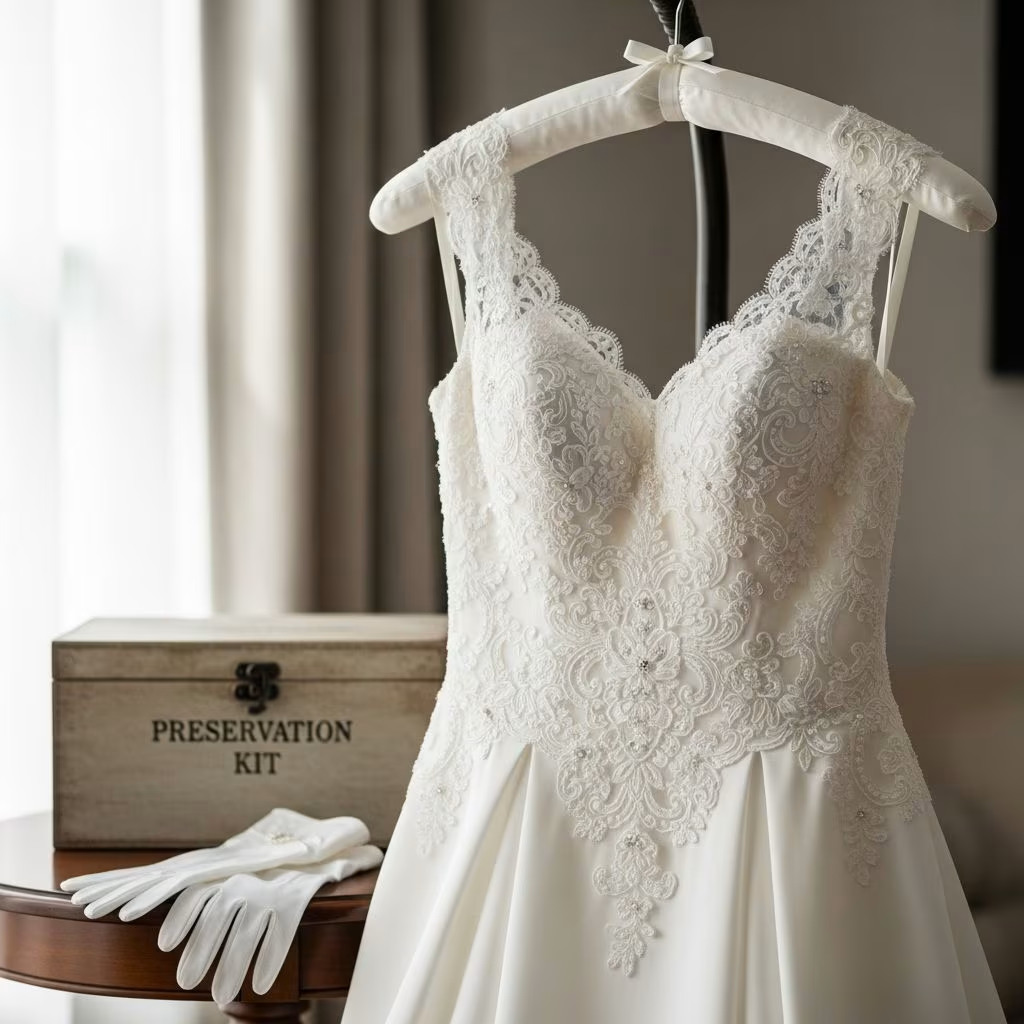
Your wedding dress is more than fabric—it’s a priceless keepsake filled with memories. But without proper care, it can yellow, stain, or deteriorate quickly, costing you hundreds in repairs or replacement value. These **budget-friendly tips** help you preserve its beauty economically, drawing from expert preservation processes like thorough inspections, specialized cleaning, and archival storage. Whether saving for heirlooms or resale, acting fast post-wedding maximizes value while minimizing expenses.
Why Preserve Your Wedding Dress?
Preserving your gown prevents common issues like yellowing from chemical fiber breakdown in whites and pastels, moisture-induced mildew, or dust accumulation. Professional services inspect for stains, clean delicately, repair minor damage, and package in acid-free materials to block light, humidity, and pollutants. Skipping this risks permanent damage; one study notes untreated gowns yellow within 18 months due to oxidation. Economically, preservation (around $200–$800) beats repurchasing or heirloom restoration later, potentially retaining 50–70% resale value for future brides.
Act Quickly After the Wedding
Time your preservation within **6 weeks** post-wedding to avoid set-in stains from champagne, sweat, makeup, or lawn debris turning permanent. Delaying allows oils and sugars to bind to fibers, complicating removal and raising costs. Hang the dress immediately in a breathable garment bag, avoiding plastic which traps moisture. Document spots with photos for cleaners—this aids targeted treatment without over-processing undamaged areas, saving money.
Cleaning Your Wedding Dress: DIY vs. Professional
Cleaning is step one in preservation, but wedding fabrics like satin, lace, crepe, or lycra demand specialized care to avoid shrinkage, tears, or color shifts. Regular dry cleaning often uses harsh chemicals unsuitable for beading or embroidery.
DIY Spot Cleaning Tips (For Minor Stains)
- Cold spot wash only: Use distilled water with mild, pH-neutral soap on a white cloth; dab, don’t rub.
- Separate layers: Detach linings or embellishments like brooches to prevent transfer stains.
- Lay flat to dry: Avoid hang-drying to prevent water spots or stretching.
- No bleach, soaking, or dry cleaning at home: These cause irreversible damage.
For crepe, satin, or lycra gowns, follow fabric-specific rules: cool iron if needed, no tumbling or wringing. Always test on inconspicuous areas.
When to Go Professional
Complex stains (e.g., wine, grass) or beaded gowns require experts using wet cleaning with fabric conditioners or ultrasonic methods for thorough yet gentle removal. Pros handle inspections, repairs (loose threads, buttons), and pre-treat for oxidation. Cost-saving tip: Compare quotes from certified cleaners; avoid chains with generic processes.
Choosing a Preservation Service Wisely
Opt for specialists over regular dry cleaners—look for wedding gown certification from bodies like the Wedding Gown Preservation Association. Key criteria:
| Factor | What to Ask | Money-Saving Benefit |
|---|---|---|
| Location | Nearby for easy drop-off/pickup | Cuts shipping fees ($50+) |
| Methods | Acid-free materials? Inspection process? | Prevents future $500+ restoration |
| Guarantees | Insurance? Warranty? | Protects your investment |
| Pricing | Inclusions? Hidden fees? | Avoids surprise charges |
Reputable services provide archival boxes with viewing windows, acid-free tissue for shape retention. Read reviews; low prices may skip steps like stain documentation.
The Preservation Process Explained
Understanding steps helps you verify quality and spot shortcuts:
- Inspection: Experts assess fabric, beads, stains; photo-document.
- Cleaning: Removes dirt/oils via safe solvents; no residue left.
- Repairs: Fix tears, secure embellishments.
- Packaging: Acid-free box/bag with tissue; sealed against light/humidity.
This museum-quality process halts yellowing by neutralizing acids. Re-preserve every 2–3 years if opened.
Storage Tips to Maintain Pristine Condition
Post-preservation, store properly to extend life:
- Cool, dry, dark space: 65–70°F, 40–50% humidity; avoid attics/basements.
- Breathable covers: Cotton sheets or garment bags, never plastic.
- Handle minimally: Clean hands only; oils stain.
- Air annually: Refold with fresh tissue to prevent creases.
- Check for mold: Especially post-weather events.
For non-preserved gowns short-term: breathable bag in climate-controlled closet.
Avoid These Common Mistakes
Steer clear to save money long-term:
- DIY full cleans: Risks fabric ruin.
- Plastic storage: Causes mildew/yellowing.
- Direct sunlight: Fades colors.
- Over-handling: Transfers skin oils.
- Delaying cleaning: Sets stains.
Repurposing and Resale Options
Extend value: Shorten for anniversaries, convert to lingerie, or resell preserved gowns fetching higher prices. Cleaned dresses sell 20–30% more. Donate to bridesmaids or charities for tax deductions.
Frequently Asked Questions (FAQs)
Q: How soon after the wedding should I clean my dress?
A: Within 6 weeks to prevent stains from setting; pros recommend immediate action for best results.
Q: What’s the best way to store a preserved wedding dress?
A: In an acid-free box in a cool, dry, dark place; air it out every 2–3 years.
Q: Why do wedding dresses yellow?
A: Chemical breakdown of fibers from light, humidity, or trapped acids; preservation neutralizes this.
Q: Can I clean my wedding dress at home?
A: Spot clean minor stains only with care; full cleaning risks damage—use professionals.
Q: How much does professional preservation cost?
A: $200–$800 depending on gown complexity; shop certified services for value.
References
- The Ultimate Guide To Bridal Dress Preservation — K&B Bridals. 2023. https://kandbbridals.com/the-ultimate-guide-to-bridal-dress-preservation/
- How To Clean & Preserve Your Wedding Dress — Grace Loves Lace. 2023. https://graceloveslace.com/blogs/grace-journal/wedding-dress-preservation
- Luxury Wedding Dress Care: Preserve Your Gown for Generation — Madame Paulette. 2024. https://madamepaulette.com/blog/luxury-wedding-dress-care-preserve-your-gown-for-generation/
- Wedding Dress Preservation Guide: Keep Your Gown Beautiful — Ashley Grace Bridal. 2024. https://ashleygracebridal.com/the-ultimate-guide-to-wedding-dress-preservation/
- Best Tips for Cleaning, Storing, and Preserving Your Wedding Dress — Bridal Formal Boutique. 2023. https://www.bridalformalboutique.com/post/best-tips-for-cleaning-storing-and-preserving-your-wedding-dress-after-the-big-day
- Wedding Gown & Bridal Party Care — Puritan Cleaners. 2024. https://www.puritancleaners.com/wedding-gown/
This article is general information, not personal financial advice. Consider your own situation, or speak with a licensed adviser, before acting on it.


