

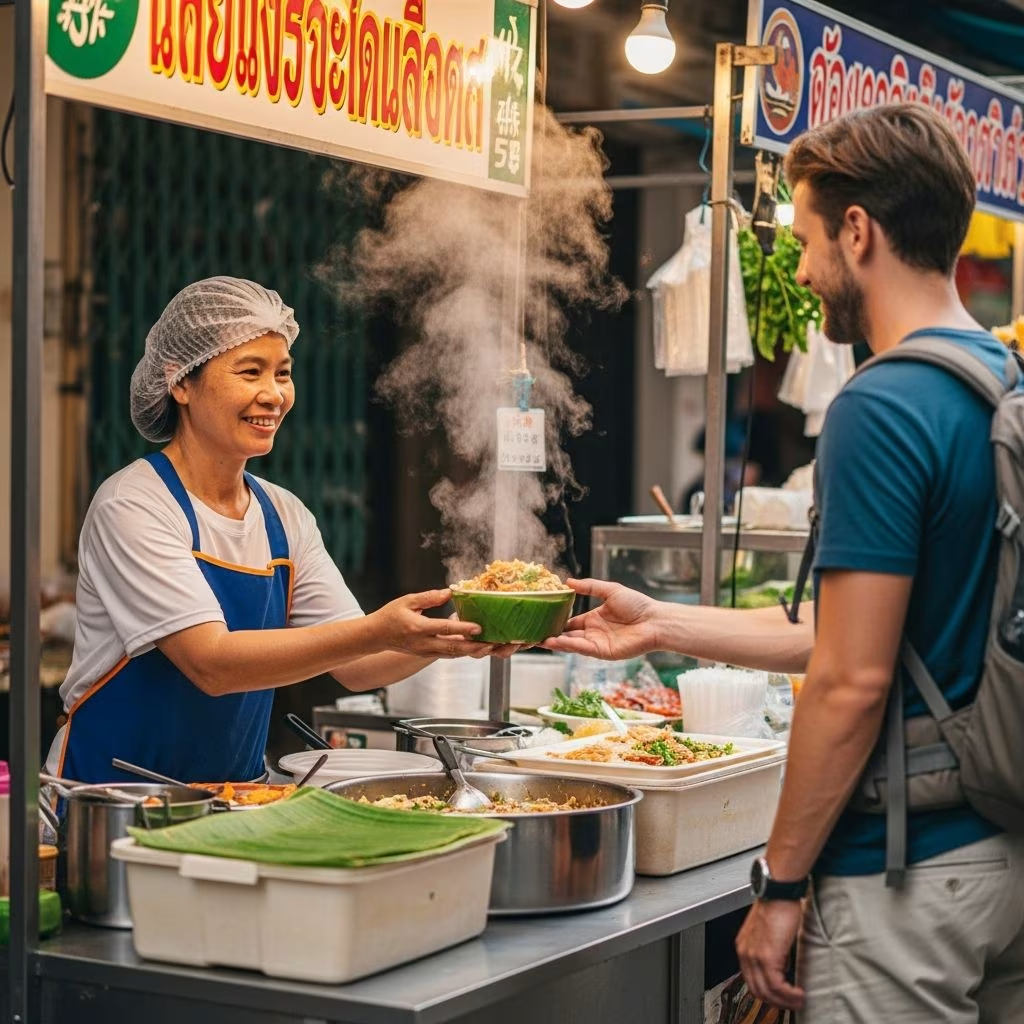
Street food is one of the joys of travel, offering authentic flavors and local culture at affordable prices. However, it can pose risks of foodborne illnesses due to varying hygiene standards among vendors. This guide provides practical, research-backed strategies to enjoy street eats safely, drawing from global studies on vendor practices and consumer safety.
Understand the Risks of Street Food
Street food thrives in urban areas worldwide, providing accessible nutrition but often under unsanitary conditions. Studies show that only about 31.5-35.3% of vendors demonstrate good hygiene practices, with common issues like inadequate handwashing, lack of gloves (98.2% non-use), and no head coverings (97.7% non-use). Contamination risks arise from poor water access, roadside locations exposing food to dust and traffic fumes, and improper storage, leading to pathogens that cause diarrhea and other illnesses.
In regions like Ethiopia and India, vendors often operate without licenses, training, or inspections, exacerbating risks. Factors such as low education levels and lack of infrastructure contribute to unsafe handling, with just 22.2% showing good knowledge of safety measures. Travelers must prioritize vigilance to mitigate these hazards while indulging in culinary delights.
Only Eat at Local Mealtimes
Timing your street food consumption to align with local eating patterns significantly reduces risk. Freshly prepared food during peak hours is less likely to sit out and harbor bacteria. Vendors rush to serve crowds, ensuring quick turnover and hot serving temperatures that kill pathogens.
- Avoid off-hours: Food left warming for hours breeds bacteria in the ‘danger zone’ (40-140°F or 4-60°C).
- Observe patterns: In Asia, lunch rushes around noon mean piping-hot noodles; in Mexico, evening taco stands bustle post-work.
- Research-backed benefit: High-volume service correlates with better hygiene due to economic incentives for freshness.
Studies confirm that food held at improper temperatures is a primary contamination source, making mealtime alignment a simple yet effective safeguard.
Look Closely at the Queue
A long, steady line of locals is a strong indicator of quality and safety. Repeat customers suggest consistent satisfaction and low illness reports.
- Local preference: Natives know risky spots; their patronage signals trustworthiness.
- High turnover: Busy stalls mean fresh prep, reducing stagnation risks observed in 52.5% of roadside setups.
- Red flags: Empty stands or tourist-only crowds may indicate subpar hygiene.
Empirical evidence from vendor assessments shows popular outlets often maintain better practices to retain business, though only 35.3% overall score ‘good’.
Watch the Preparation of the Food
Observing vendors in action reveals hygiene levels. Look for clean workspaces, proper utensil use, and fresh ingredients.
| Green Flags | Red Flags |
|---|---|
| Clean hands/gloves, hair covered | Bare hands touching food, smoking nearby |
| Hot oil/sizzle for frying | Room-temp holding, dirty surfaces |
| Fresh produce, running water | Pre-cut fruits in open air, no water source |
Vendor studies highlight poor personal hygiene: 83% unclean/short nails, minimal glove use. Insist on seeing prep to avoid hidden contamination from multiple handlers.
If It Doesn’t Taste Right, Don’t Continue
Your senses are your best defense. Sour, off, or unusually slimy tastes signal spoilage—spit it out immediately.
- Trust instincts: Build-up of off-flavors indicates bacterial growth.
- Portion control: Sample small bites first, especially with new cuisines.
- Alcohol test: If beer tastes vinegary, it’s likely spoiled—walk away.
This aligns with hygiene data where improper storage leads to detectable adulteration.
Eat Cooked Food or Fruit You Can Peel
Prioritize heat-killed pathogens via thorough cooking or peelable fruits like bananas, oranges.
- Cooked preferences: Steaming, frying, boiling—avoid salads or runny eggs.
- Peel yourself: Removes contaminated skins; skip vendor-cut fruits washed in dubious water.
- Evidence: Raw handling risks are high, with 61.9% vendors in clean clothes but poor practices elsewhere.
WHO-aligned advice emphasizes cooking to 165°F (74°C) internal temp.
Drink Bottled or Purified Beverages Only
Ice, tap water, and fresh juices are contamination hotspots due to vendor water sources.
- Sealed bottles: Check caps for tampering.
- No ice: Frozen from unclean water melts into drinks.
- Hot drinks: Boiled tea/coffee safer than cold beverages.
Lack of water at sites affects vendors, per studies (AOR=0.40 for poor hygiene).
Additional Safety Strategies
Choose Permanent Stands Over Mobile Carts
Fixed locations invest in plumbing/refrigeration, unlike carts lacking infrastructure.
Ask Locals for Recommendations
Insider tips bypass tourist traps with lax standards.
Carry Hand Sanitizer and Probiotics
Backup for imperfect hygiene; consult doctors for travel meds.
Practice Moderation
Limit intake to acclimate gut flora gradually.
Frequently Asked Questions (FAQs)
Is street food always unsafe?
No, but vigilance is key—31.5% vendors practice good hygiene, per Ethiopian study.
What if I’m vegetarian?
Focus on cooked veggies, peelable fruits; avoid raw sprouts.
How to handle spicy food risks?
Spice masks spoilage—rely on sight/smell first.
Best antibiotics for traveler’s diarrhea?
Consult physician; azithromycin common, but prevention superior.
Can kids eat street food?
With extra caution—stick to hottest, freshest options.
Conclusion: Savor Safely and Boldly
By following these tips, you can embrace street food’s vibrancy without health setbacks. Studies underscore education’s role—vendors with training show better attitudes (55.1% positive). Travelers: observe, time wisely, and eat adventurously yet prudently for unforgettable trips.
References
- Streetwise Eats: Assessing Food Safety and Hygiene Measures Among Street Food Vendors — Journal of Health and Allied Sciences NU. 2023. https://jhas-nu.in/streetwise-eats-assessing-food-safety-and-hygiene-measures-among-street-food-vendors/
- Food Hygiene Practices and Associated Factors Among Street Food Vendors in Urban Areas of Gedeo Zone, Southern Ethiopia — National Institutes of Health (PMC). 2023-04-20. https://pmc.ncbi.nlm.nih.gov/articles/PMC10134189/
- How to Eat Street Food Safely While Traveling — Wise Bread. Accessed 2026. https://www.wisebread.com/how-to-eat-street-food-safely-while-traveling
This article is general information, not personal financial advice. Consider your own situation, or speak with a licensed adviser, before acting on it.


