

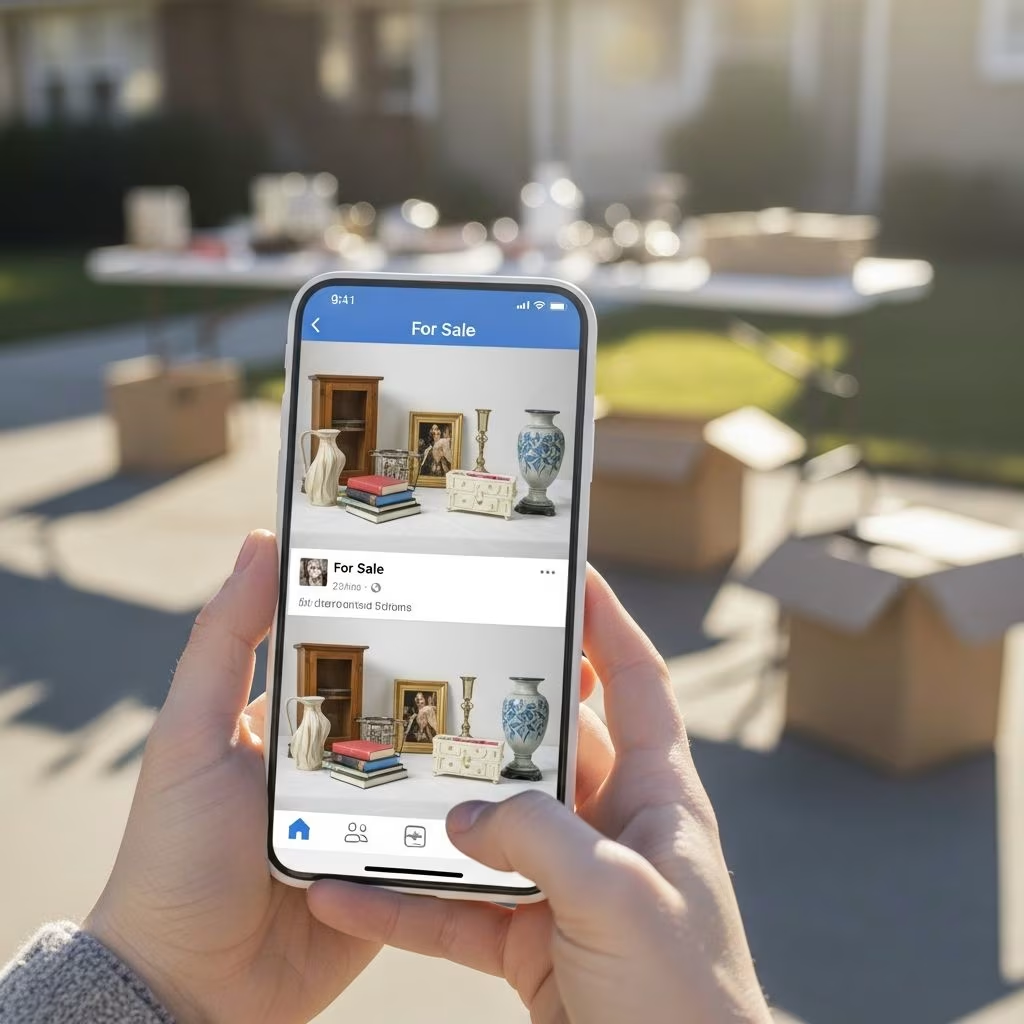
Facebook has revolutionized the way people buy and sell used goods through its Marketplace and local yard sale groups. These platforms allow anyone to turn unused items into cash quickly and conveniently, often without the hassle of traditional yard sales. Whether you’re decluttering your home, funding a vacation, or starting a side hustle, mastering Facebook yard sales can generate hundreds of dollars monthly. This guide covers everything from setup to advanced selling techniques, drawing on proven strategies to help you succeed.
Why Facebook Yard Sales Work
Facebook’s massive user base—over 3 billion active users—provides instant access to local buyers eager for bargains. Unlike eBay or Craigslist, Facebook groups and Marketplace integrate seamlessly with social networks, building trust through profiles and mutual friends. Sellers report earning $200–$1,000 per month by posting consistently. The low barrier to entry means no fees for local sales, and transactions happen face-to-face, reducing shipping risks.
Key advantages include:
- Targeted local reach: Buyers are nearby, enabling quick pickups.
- Visual appeal: Photos and videos showcase items realistically.
- Community trust: Group rules and reviews deter scams.
- Free promotion: Shares and comments amplify visibility.
Finding the Right Groups and Marketplace
Start by searching Facebook for “yard sale” followed by your city, neighborhood, or zip code (e.g., “Dallas Yard Sale Group”). Join 5–10 active groups with thousands of members. Look for ones with strict rules like photo requirements and no shipping to ensure quality listings.
Facebook Marketplace is ideal for solo sales: Go to the Marketplace tab, click “Create New Listing,” and select “Item for Sale.” It auto-suggests your location and reaches non-group members too. Pro tip: Cross-post to both groups and Marketplace for maximum exposure.
| Platform | Pros | Cons |
|---|---|---|
| Groups | High engagement, buyer discussions | Moderation delays, competition |
| Marketplace | Algorithm boosts, easy search | Less personal interaction |
What to Sell for Maximum Profit
Not all items sell equally. Focus on high-demand categories:
- Electronics: Phones, gaming consoles, chargers ($50–$500).
- Furniture: Chairs, tables, decor (test for sturdiness).
- Kids’ items: Toys, clothes, strollers (seasonal spikes).
- Clothing: Branded or gently used ($10–$100).
- Tools & sports gear: Bikes, weights, power tools.
Declutter first: Audit closets, garages, and attics. Price at 50–70% of retail value for quick sales. Use apps like OfferUp or Poshmark for pricing research. Avoid low-value items like single socks or broken gadgets unless bundled.
Creating Listings That Sell Fast
A compelling listing is your storefront. Follow these steps:
- Take quality photos: 5–10 clear, well-lit shots from multiple angles. Use natural light; stage items cleanly. Include close-ups of flaws.
- Write detailed titles: “IKEA Poang Chair Black Excellent Condition $80 OBO”—include brand, color, size, price.
- Craft descriptions: List dimensions, condition, reason for selling (e.g., “moving sale”), and pickup details. Be honest: “Small scratch on arm” builds trust.
- Set competitive pricing: Research similar sales; end prices in 7s or 9s (e.g., $27).
- Post optimally: Evenings and weekends see peak traffic. Refresh listings weekly.
Example listing: “Brand new Ninja Blender, used twice, $60 (retails $100). Local pickup only. Serious buyers DM!”
Pricing Strategies for Quick Sales
Pricing is art and science. Start 20% above your minimum, accept offers. Use tiers:
- Fast cash: 30–50% retail.
- Max profit: 60–80% if rare/condition excellent.
- Bundles: Discount multiples (e.g., 3 shirts for $20).
Track competitors: If similar lamps sell for $40, list at $45 OBO. Negotiate politely—”Best I can do is $35″ counters lowballs effectively.
Handling Inquiries and Negotiations
Respond within hours; top sellers reply in minutes. Use Messenger for chats. Common buyer questions:
- “Is it available?” → “Yes, first come first served.”
- “Can you deliver?” → Politely decline unless nearby/extra fee.
- “Lowest price?” → Counter with minimum or bundle incentive.
Screen buyers: Ask pickup time to gauge seriousness. Block spammers or shippers.
Safe Meetups and Transactions
Safety first: Meet in public spots like police stations, grocery lots, or during daylight. Tell a friend your plans. For cash, count before handing over; consider Venmo/Zelle for trust but verify first.
Tips:
- Bring a buddy for large items.
- Use Facebook Pay for Marketplace.
- Report suspicious activity to group admins.
Shipping If Needed (Low Volume)
Most sales are local, but for out-of-towners:
Buyer pays shipping. Use USPS for small items; quote via Pirate Ship calculator. Pack securely, provide tracking. Limit to trusted buyers.
Scaling to a Profitable Side Hustle
Consistent sellers treat it like a business:
- Batch list: 10+ items weekly.
- Source inventory: Thrift stores, free Craigslist “curb alerts,” garage sales for flips.
- Track profits: Use spreadsheets for earnings, expenses.
- Build reputation: Encourage reviews; join seller-focused groups.
Average: 10 sales/month at $50 profit = $500. Top earners hit $2,000+ by flipping.
Common Mistakes to Avoid
- Poor photos or vague descriptions → No views.
- Ignoring messages → Lost sales.
- Overpricing → Stale listings.
- Unsafe meets → Risks.
- Not refreshing posts → Buried in feed.
Tax Considerations for Serious Sellers
If earning over $600/year, report as hobby income on Schedule 1 (Form 1040). Track via apps like QuickBooks Self-Employed. Expenses (gas, shipping) deductible. Consult IRS Publication 334 for details.
Frequently Asked Questions (FAQs)
Q: Do I need a business license for Facebook sales?
A: No, for occasional personal sales. Frequent flipping may require one—check local laws.
Q: How much can I realistically make?
A: $100–$500/month part-time; more with volume and flips.
Q: What if a buyer flakes?
A: Hold item, relist, or mark pending only after deposit.
Q: Can I sell internationally?
A: Stick local; shipping abroad is complex and costly.
Q: How to deal with lowball offers?
A: Ignore or counter; plenty of buyers.
Final Tips for Success
Post daily, price right, communicate fast, stay safe. Facebook yard sales beat traditional ones—no weather worries, broader reach. Start small, scale up, and watch cash flow. Happy selling!
References
- Consumer Expenditure Survey — U.S. Bureau of Labor Statistics. 2024-10-01. https://www.bls.gov/cex/
- Schedule C (Form 1040) Instructions — Internal Revenue Service. 2025-01-15. https://www.irs.gov/forms-pubs/about-schedule-c-form-1040
- Facebook Marketplace Policies — Meta Platforms, Inc. 2025-11-20. https://www.facebook.com/policies_center/commerce
- Side Hustle Nation Report — U.S. Chamber of Commerce. 2024-09-12. https://www.uschamber.com/co/start/strategy/side-hustle-statistics
- Online Marketplace Sales Tax Guide — National Conference of State Legislatures. 2025-03-05. https://www.ncsl.org/state-legislatures-news/details/online-marketplace-sales-tax-guide
This article is general information, not personal financial advice. Consider your own situation, or speak with a licensed adviser, before acting on it.


