

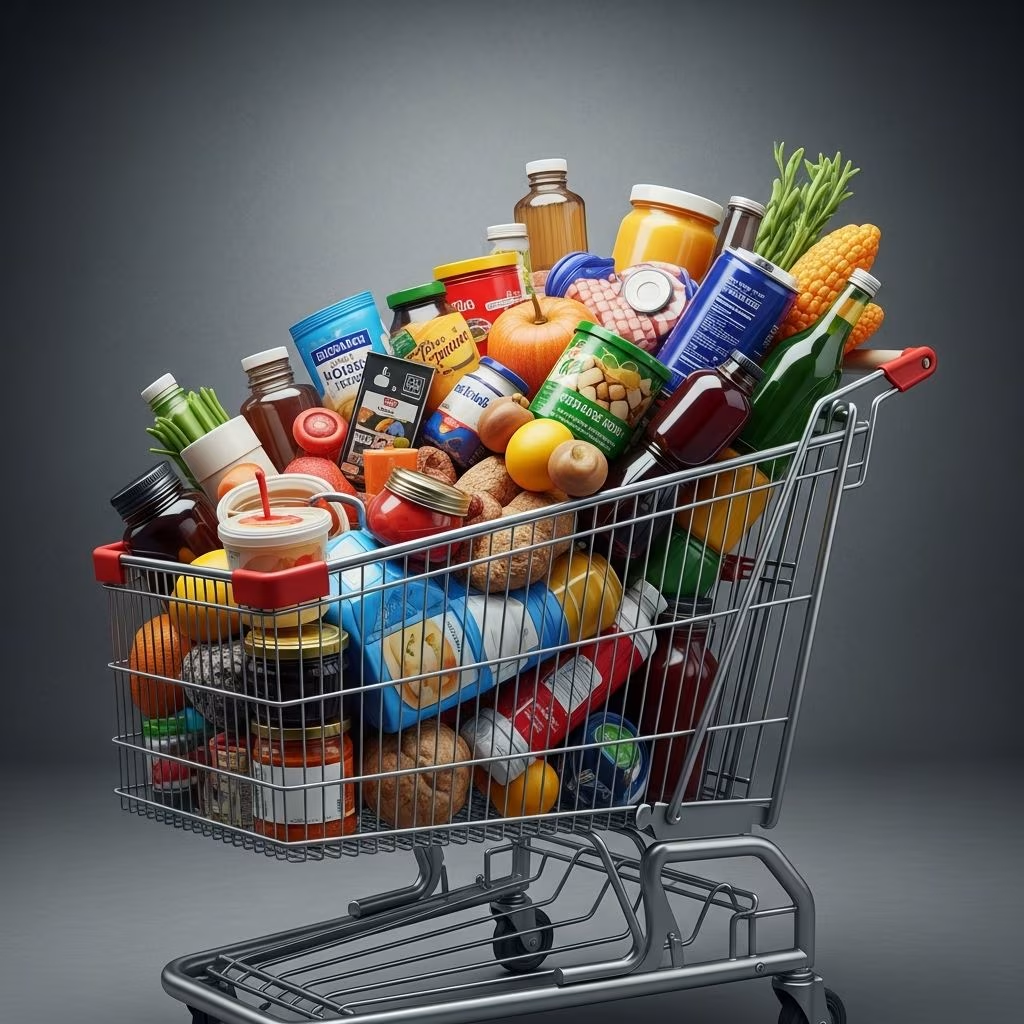
Buying in bulk from warehouse clubs like Costco or Sam’s Club promises big savings, but not every item delivers. Perishables spoil, cleaners lose potency, and some products are cheaper elsewhere. This guide covers 20 items to skip in bulk, helping you avoid waste, expired goods, and inflated costs. Save money, storage space, and frustration with these smart shopping insights.
Why Bulk Buying Isn’t Always Best
Bulk purchases shine for non-perishables with long shelf lives and high usage, like rice or paper towels in large households. However, for many items, the math doesn’t add up. Factors include short expiration dates, degradation over time, storage needs, and better deals at grocery stores or online. A Consumer Reports analysis shows bulk savings average 10-20% only when items are used fully before expiring; otherwise, waste erases gains. Always calculate per-unit cost and check shelf life before loading your cart.
1. Fresh Produce
Fresh fruits and vegetables rot quickly, even in bulk packs. A large bag of apples or berries might seem economical, but they’ll spoil in days without a big family to consume them. Refrigeration helps, but ethylene gas from apples speeds decay in bananas or leafy greens. Buy only what you’ll eat in a week; farmers’ markets or CSAs offer fresher small quantities.
2. Meat and Seafood
Bulk meat packs require immediate freezing, but freezer burn sets in after months, degrading quality and taste. Seafood like shrimp or fish spoils fastest. USDA guidelines recommend using frozen meat within 4-12 months; beyond that, texture suffers. Smaller packs from grocers often match per-pound prices during sales.
3. Dairy Products
Milk, cheese, and yogurt have short fridge lives: milk lasts 7-10 days post-opening, per FDA standards. Bulk gallons lead to sour waste. Cheese molds if not wrapped properly. Opt for frequent small buys or freeze portions, though texture changes.
4. Bread and Baked Goods
Bulk loaves or bagels stale rapidly. Without a deep freeze, they mold in 3-5 days. Commercial bulk packs lack preservatives of smaller artisanal options. Toast frozen slices, but fresh daily beats bulk every time.
5. Beer and Alcohol
Beer skunks from light exposure and flattens over time; bulk cases gather dust. Craft beers expire in 3-6 months. Liquor lasts longer but ties up cash. Warehouse prices rarely beat sales at liquor stores or delivery apps.
6. Soda and Diet Drinks
Diet sodas lose flavor post “best by” date, within months, per Real Simple. Regular soda goes flat faster once opened. Bulk pallets waste space; grocery sales offer better per-can deals with coupons.
7. Cereal
Cereal goes stale 2-3 months after opening, per Still Tasty. Supermarket promotions make bulk unnecessary; Clark Howard notes frequent sales undercut warehouse prices. Inner bags help, but freshness suffers.
8. Snacks and Chips
Chips and crackers lose crunch; nuts rancidify from oils oxidizing. Bulk sizes mean partial bags sit open, inviting staleness or pests. Smaller packs preserve quality.
9. Condiments in Large Jugs
Ketchup, mayo, and mustard separate or mold if not refrigerated post-opening. Large jugs take forever for solo cooks; smaller bottles are easier and sale-priced.
10. Laundry Detergent
Liquid or powder detergents lose cleaning power after 6-12 months, per Good Housekeeping. Bulk jugs are heavy and spill-prone. Pods or small bottles suffice for average households.
11. Dishwasher Detergent
Powders clump, gels separate over time. Bulk boxes expire in 1-2 years; frequent sales at drugstores beat mega-packs.
12. Bleach
Bleach degrades in 6 months to a year due to sodium hypochlorite breakdown, especially in heat, per Clorox. Jumbo bottles risk spills; buy as needed.
13. Sunscreen
UV protectants break down in heat above 77°F, rendering it ineffective, per FDA. Bulk tubes expire in 1-3 years; store cool and check dates.
14. Makeup and Skincare
Liquid mascara lasts 3 months, cream shadows 6 months, per Good Housekeeping. Skincare like retinoids (9-11 months) or peels (3 months) spoil faster in jars from bacteria. Powders last longer.
15. Medicine and Vitamins
Potency drops post-expiration; heat/humidity accelerate. FDA advises discarding outdated meds. Pharmacies offer small economical packs.
16. Diapers
Babies outgrow sizes quickly; bulk cases become obsolete. Amazon often undercuts Costco on brands like Huggies with subscriptions.
17. Toilet Paper
Storage hogs with minimal savings: Walmart at 15¢/roll vs. Costco’s 75¢, per Money. Coupons work at grocers, not warehouses.
18. Paper Towels
Bulk requires space; sales match prices elsewhere. Durability varies little.
19. Cleaning Wipes
Dry out or lose disinfecting power in months. Refillable dispensers with smaller packs save more.
20. Pet Food
Fats rancidify, causing digestive issues. Pets’ needs change; vets recommend fresh small bags.
Smart Alternatives to Bulk Buying
- Shop sales and use apps like Ibotta for rebates.
- Buy club packs only for high-turnover items.
- Freeze portions of perishables immediately.
- Compare unit prices across stores.
- Join Amazon Family or Walmart+ for deals without membership fees.
Cost Comparison Table
| Item | Warehouse Bulk (per unit) | Grocery/Online (per unit) | Best Buy |
|---|---|---|---|
| Toilet Paper | $0.75 | $0.15 (Walmart) | Grocery |
| Diapers (Huggies) | $0.25 | $0.20 (Amazon) | Online |
| Laundry Detergent | $0.18/oz | $0.15/oz (sale) | Grocery |
| Cereal | $2.50/box | $2.00 (sale) | Grocery |
Frequently Asked Questions (FAQs)
Is bulk buying ever worth it?
Yes, for staples like rice, pasta, or canned goods with long shelf lives and high usage. Calculate savings vs. waste risk.
How do I store bulk items properly?
Use airtight containers, cool/dark pantries, and FIFO (first in, first out) rotation. Label with dates.
Are warehouse memberships worth it for small families?
Often not; annual fees ($60+) exceed savings if not shopping frequently. Compare to online subs.
What if I have expiration concerns?
Check “best by” vs. safety dates. Donate near-expiry to food banks where legal.
Can I buy bulk online?
Yes, Amazon Subscribe & Save offers flexibility without storage overload.
References
- Good Housekeeping: Cleaning Product Shelf Life — Hearst Communications. 2023-05-15. https://www.goodhousekeeping.com/home/cleaning/tips/g1071/cleaning-product-expiration-dates/
- FDA: Cosmetics Expiration and Storage — U.S. Food and Drug Administration. 2024-02-10. https://www.fda.gov/cosmetics/cosmetics-laws-regulations/it-safe-use-cosmetics-after-best-if-used-date-has-passed
- Clorox: Bleach Shelf Life — The Clorox Company. 2023-11-20. https://www.clorox.com/learn/does-bleach-expire/
- USDA Freezing and Food Safety — United States Department of Agriculture. 2024-01-05. https://www.fsis.usda.gov/food-safety/safe-food-handling-and-preparation/food-safety-basics/freezing-and-food-safety
- Consumer Reports: Bulk Buying Guide — Consumer Reports. 2023-09-12. https://www.consumerreports.org/money/warehouse-clubs/is-buying-in-bulk-always-a-good-deal-a1026740728/
This article is general information, not personal financial advice. Consider your own situation, or speak with a licensed adviser, before acting on it.


