

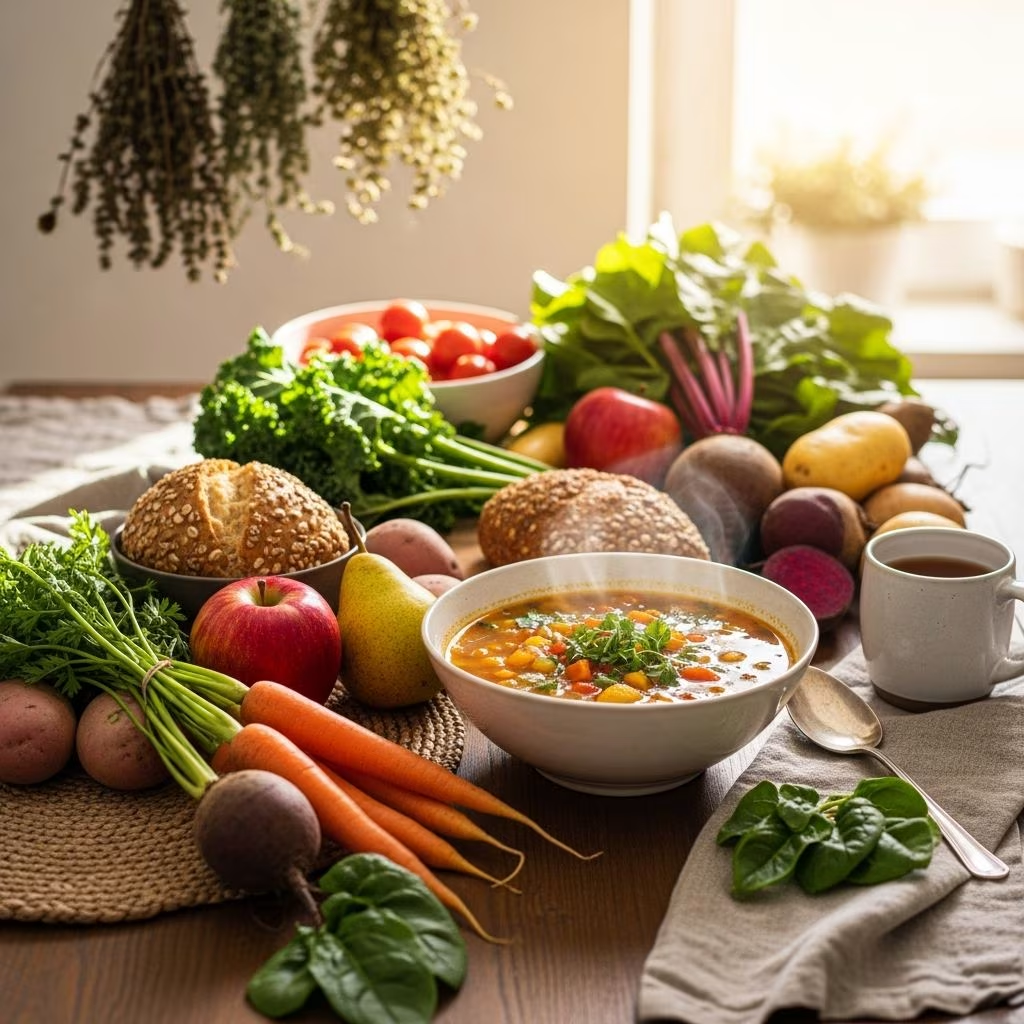
Winter brings colder weather, shorter days, and a natural craving for hearty comfort foods. However, eating healthy during this season doesn’t have to drain your wallet. By focusing on seasonal produce, smart shopping, home cooking, and immune-boosting ingredients, you can nourish your body affordably. This guide covers practical strategies to enjoy nutritious winter meals while saving money, drawing from expert dietitian advice and proven frugal tips.
Plan Your Meals Around Seasonal Produce
One of the easiest ways to eat healthy on a budget is to prioritize **seasonal winter produce**, which is often cheaper, fresher, and more nutritious. In winter, root vegetables like carrots, potatoes, beets, and turnips are abundant and inexpensive. Citrus fruits such as oranges, grapefruits, and lemons peak in flavor and affordability, providing essential vitamin C for immunity.
Dark leafy greens like kale, spinach, and collards thrive in cooler weather and are packed with vitamins A, C, and K. Cabbage, onions, and garlic are staples that store well and add flavor without extra cost. According to dietitians, building meals around these items ensures variety from all food groups—grains, proteins, fruits, and veggies—while keeping expenses low.
- Shop farmers’ markets or local stands: Late-season harvests mean deals on bulk buys. Freeze extras for later.
- Root vegetable stews: Combine potatoes, carrots, and onions with affordable beans for a filling, one-pot meal.
- Citrus salads: Pair oranges with greens and a simple vinaigrette for a vitamin-packed side.
Meal planning prevents impulse buys. Create a weekly menu using what’s on sale, incorporating whole grains like oats and barley, which are winter pantry staples.
Boost Your Immunity with Affordable Superfoods
Winter is flu season, so prioritize **immune-boosting foods** that are budget-friendly. Dietitian Kate Watts recommends the ‘three G’s’: **garlic, ginger, and green tea**, plus **turmeric, citrus fruits, and dark leafy greens** to prevent sickness. These ingredients are inexpensive and versatile.
- Garlic: Antiviral properties; mince into soups or roasts for pennies per serving.
- Ginger: Anti-inflammatory; grate fresh into teas, stir-fries, or Asian-inspired dishes. Opt for ginger-peach herbal teas as a warm, soothing option.
- Green tea: Rich in antioxidants; brew daily for hydration and immune support.
- Turmeric: Add to golden milk or curries; pair with black pepper for better absorption.
- Citrus and greens: Squeeze lemons into water or dress salads with oranges.
Remember, immunity isn’t just about food—pair with sleep, stress reduction, and activity. A balanced plate half-filled with veggies and fruits ensures nutrient variety without excess spending.
Shop Smart: Strategies for Winter Grocery Savings
Grocery bills spike in winter, but savvy shopping keeps costs down. Focus on **bulk buys** of non-perishables like beans, lentils, rice, and frozen veggies, which retain nutrients and last longer.
| Item | Winter Price Tip | Health Benefit |
|---|---|---|
| Root veggies (carrots, potatoes) | $0.50–$1/lb in bulk | Fiber, vitamins for sustained energy |
| Citrus fruits | Buy bags for $3–5/dozen | Vitamin C for immunity |
| Dry beans/lentils | $1–2/lb dry | Plant protein, cheaper than meat |
| Frozen berries/greens | Half fresh price | Antioxidants year-round |
Other tips: Compare unit prices, use store apps for sales, and shop the perimeter for fresh items. Avoid processed foods high in sodium and sugar—home prep gives control.
Cook Comfort Foods Healthily at Home
Cravings for chili, stews, and pasta intensify in winter. **Prepare at home with real ingredients** to save money and boost health. Mindful eating—ditch distractions, slow down, control portions—prevents overeating comfort foods.
- Chili alternative: Use ground turkey or lentils instead of beef, load with beans and veggies.
- Soups and stews: One-pot wonders with seasonal roots, garlic, ginger, and turmeric.
- Stir-fries: Quick with frozen veggies, ginger, and lean proteins; check labels on sauces for low sodium.
- Pasta primavera: Toss with in-season veggies and olive oil for a light twist.
Batch-cook and freeze portions to avoid takeout temptations. This saves ‘a ton of money’ while controlling sodium and sugar.
Feed the Family Without Breaking the Bank
Families with kids face picky eaters, but small tweaks work. **Finely chop veggies** into favorites like sauces or casseroles to sneak in nutrition. Think outside the box: swap meat for beans in tacos or use cheese sauces stretched with flour to top veggie-stuffed potatoes.
- Involve kids in prep to encourage trying new foods.
- Buy family packs of affordable proteins like chicken legs or eggs.
- Make ‘sheet pan dinners’ with roots, proteins, and greens for easy cleanup.
Reduce meat portions, opting for better-quality smaller amounts—it’s healthier and sustainable. Home gardens (even indoor herbs) cut costs long-term.
Minimize Food Waste for Maximum Savings
Americans waste 30 million tons of food yearly. In winter, **use every scrap**: roast veggie peels into crisps, blend carrot tops into pesto, or freeze bones for broth. Store roots in cool, dark places to extend shelf life.
- Plan portions to match household size.
- Repurpose leftovers: stew into shepherd’s pie.
- Compost scraps if needed.
This preserves nutrients and money, aligning cheap and healthy eating.
Frequently Asked Questions (FAQs)
Q: Does a balanced diet change in winter?
A: It emphasizes seasonal/local foods but always includes variety from grains, fruits, veggies, and proteins like beans, nuts, dairy, meat, and seafood.
Q: How can I control portions with comfort foods?
A: Practice mindful eating: eat without distractions, slow down, and savor.
Q: Are frozen foods healthy for winter meals?
A: Yes, they retain nutrients and are cheaper than fresh out-of-season produce.
Q: What’s a quick immune booster?
A: Ginger tea with lemon and turmeric—affordable and effective.
Q: How to get kids to eat more veggies?
A: Dice finely into familiar dishes and involve them in cooking.
Implementing these tips ensures you eat **healthy this winter without spending a fortune**. Focus on home cooking, seasonal smart shopping, and waste reduction for lasting savings and wellness.
References
- Dietitian shares tips on healthy winter eating | Part 2 — Cone Health (YouTube Transcript). 2023. https://www.youtube.com/watch?v=Ol8t8Ky2COE
- Eating at the Intersection of Cheap and Healthy — Wise Bread. Accessed 2026. https://www.wisebread.com/eating-at-the-intersection-of-cheap-and-healthy
- Waste Not, Want Not: Stop Throwing Away Your Food — Wise Bread. Accessed 2026. https://www.wisebread.com/waste-not-want-not-stop-throwing-away-your-food
- 2016 Hunger Report – The Nourishing Effect — Bread for the World Institute (PDF). 2016-01-01. https://www.bread.org/sites/default/files/downloads/hunger-report-2016-sm.pdf
This article is general information, not personal financial advice. Consider your own situation, or speak with a licensed adviser, before acting on it.


