

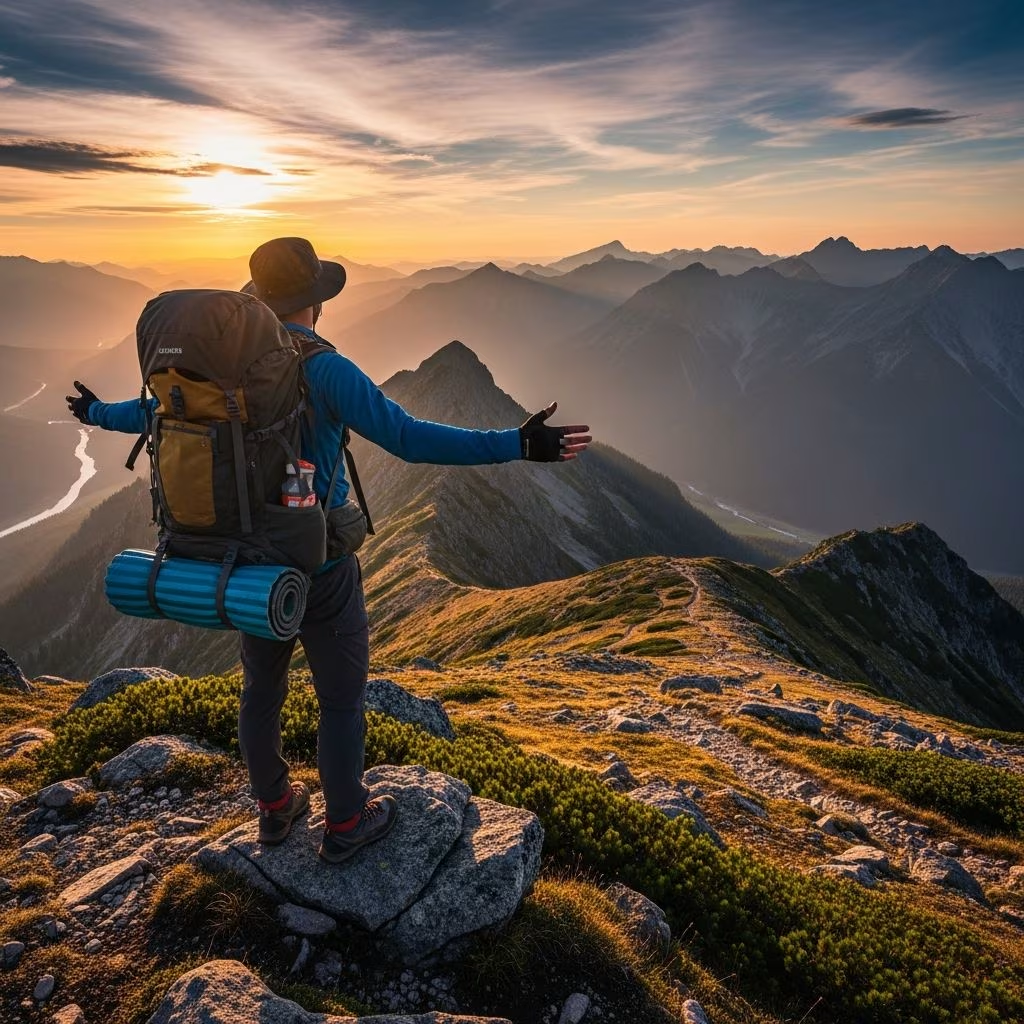
Backpacking trips offer unparalleled freedom and connection with nature, but they can quickly become expensive with costs for gear, flights, food, and lodging piling up. The good news is that with smart planning and resourceful strategies, you can save **over $1000** on your next adventure. This guide breaks down real-world savings tactics drawn from actual trips, totaling potential reductions of $1105 or more. Whether you’re a first-timer or seasoned hiker, these tips ensure you hit the trails without emptying your wallet.
1. Book Flights in Advance (Could Have Saved = $200+)
Airfare often represents the largest chunk of backpacking expenses, especially for remote trailheads. Booking last-minute can double or triple costs due to dynamic pricing. For instance, one trip saw potential savings of $200 simply by purchasing tickets months ahead rather than scrambling weeks before departure.
To maximize savings:
- Monitor airline deal sections directly on carrier websites, like Virgin Atlantic’s summer fares, which have offered transatlantic flights from Miami to London for as low as $400.
- Target midweek or off-peak times—research shows Tuesdays and Wednesdays around midnight often yield the lowest prices.
- Use fare alerts from tools like Google Flights or airline apps to snag flash sales.
Pro tip: Flexible dates can save hundreds; a $600 round-trip might drop to $400 with a one-day shift. According to the U.S. Department of Transportation’s Bureau of Transportation Statistics, advance booking of 21-60 days yields average savings of 15-25% on domestic flights.
2. Borrow or Rent Gear Instead of Buying (Could Have Saved = $250)
Packing essentials like sleeping bags, tents, stoves, water filters, and sturdy backpacks is non-negotiable for safety, but new gear costs hundreds. For novices or one-off trips, **borrowing or renting** is a game-changer. One hiker saved $250 by renting a $200 backpack from REI for just $50 over seven days.
| Gear Item | Buy New Cost | Rent Cost (7 Days) | Savings |
|---|---|---|---|
| Backpack (60L) | $200 | $50 | $150 |
| Sleeping Bag | $150 | $30 | $120 |
| Two-Person Tent | $300 | $60 | $240 |
| Camping Stove | $80 | $15 | $65 |
REI Co-op rents high-quality gear at fractions of retail, with locations nationwide. Local outdoor clubs, friends, or apps like Outdoors Geek offer similar deals. The National Park Service recommends borrowing for trial runs to ensure fit before committing. This approach not only saves money but reduces buyer’s remorse if backpacking isn’t your long-term passion.
3. Buy Food and Supplies in Advance (Could Have Saved = $25)
Trail food like dehydrated meals (e.g., Mountain House), beef jerky, nuts, and energy bars is pricier at convenience stores or trail towns—often $2-3 more per item. Stocking up at Walmart or Costco beforehand slashes costs. One group overpaid by $25 simply by waiting until arrival.
Smart prep includes:
- Bulk-buying lightweight, high-calorie foods: oats, peanut butter packets, and trail mix yield 3,000+ calories per pound.
- Opting for **dried foods** that double as multiday meals without refrigeration.
- Portioning into resealable bags to minimize waste and weight.
The U.S. Forest Service’s Leave No Trace principles endorse pre-planned meals to avoid overbuying and trash. For a 7-day trip, this nets $20-50 savings while ensuring nutrition.
4. Shop Clearance Racks and Sales (Could Have Saved = $100; Did Save = $250)
Outdoor retailers like REI, Dick’s Sporting Goods, and online outlets regularly discount last-season gear by 50-70%. One shopper snagged a $300 tent for $99 and clearance hiking shirts/pants, saving $250 total—60% off retail. Checking these before buying full-price is essential.
Where to hunt:
- REI Outlet for ‘late model’ packs ($50-100 off).
- Marshalls or TJ Maxx for surprise backpack finds.
- End-of-season sales (fall for summer gear).
Consumer Reports notes clearance sections often feature near-new items with full warranties. Layer this with coupons for compounded savings.
5. Use All Your Resources for Lodging (Did Save = $130)
Post-trail hotel stays for early flights can sting at $150-200/night. Leverage networks: one pilot used an airline employee deal to book a resort for $70, saving $130. Think beyond—friends’ couches, hostels, or apps like Couchsurfing work too.
Additional hacks:
- Group shuttles or hiker boxes for free gear/food at trailheads.
- Share resupplies: split grocery hauls with trail buddies.
- Slow travel to minimize interim lodging needs.
The American Hotel & Lodging Association reports employee/family discounts average 30-50% off rack rates.
Total Potential Savings = $1105
Combining these: $200 (flights) + $250 (gear) + $25 (food) + $100 (sales, potential) + $130 (lodging) + extras like shuttles = **over $1105**. Real trips confirm these are achievable without compromising safety or enjoyment.
Bonus Tips for Maximum Savings
- Travel slow: Reduces transport and setup costs; immerse deeper with locals.
- Hitchhike or group vans: Cuts shuttle fees.
- Thrift/free activities: Hiking, biking are cost-free.
- Frequent flyer miles: Upgrade long-hauls cheaply.
Frequently Asked Questions (FAQs)
Q: Is renting gear reliable for serious backpacking?
A: Yes, REI and similar outfitters provide inspected, high-quality items suitable for multi-day trips. Always test beforehand.
Q: What’s the best time to book flights?
A: 21-60 days advance for domestic; 2-8 months international per DOT data.
Q: Can I really save 60% on gear?
A: Absolutely—clearance racks and outlets routinely offer 50-70% off proven brands.
Q: How to pack food without extra weight?
A: Choose dehydrated, high-calorie items; pre-portion to exact needs.
Q: Are there risks to using discounts or rentals?
A: Minimal if from reputable sources; warranties cover rentals, and sales gear is often identical to current models.
References
- Bureau of Transportation Statistics – Average Airfares — U.S. Department of Transportation. 2025-01-10. https://www.bts.gov/content/averages-domestic-airfares
- REI Co-op Rental Program — REI Co-op. 2025-12-01. https://www.rei.com/rentals
- Leave No Trace Principles — U.S. Forest Service. 2024-06-15. https://www.fs.usda.gov/visit/know-before-you-go/leave-no-trace
- Best Outdoor Gear Deals — Consumer Reports. 2025-11-20. https://www.consumerreports.org/outdoor-gear-deals/
- Employee Discount Programs — American Hotel & Lodging Association. 2025-09-05. https://www.ahla.com/employee-discounts
- National Parks Gear Recommendations — National Park Service. 2025-03-12. https://www.nps.gov/articles/gear.htm
This article is general information, not personal financial advice. Consider your own situation, or speak with a licensed adviser, before acting on it.


