

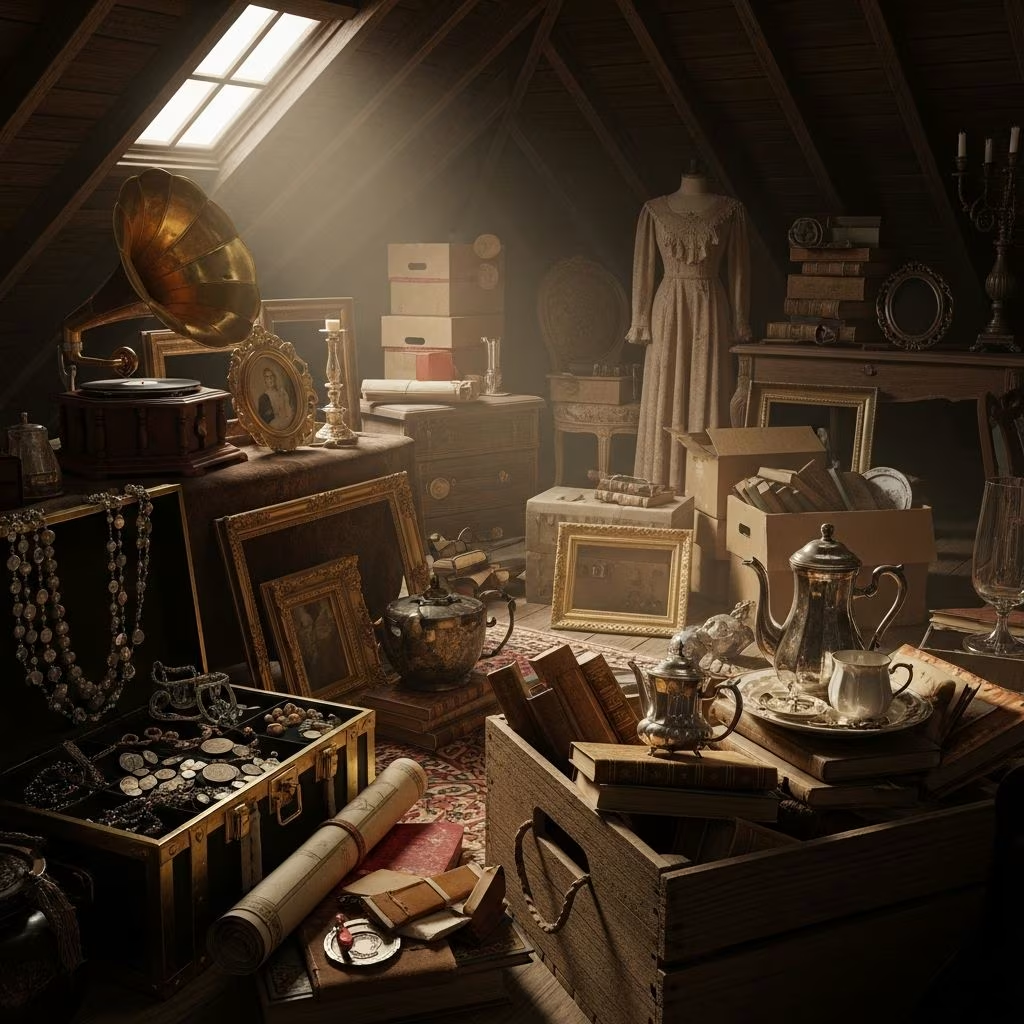
Many homeowners overlook the potential goldmine lurking in their attics, basements, and garages. Old furniture, dusty boxes of china, forgotten jewelry, and vintage toys could be worth thousands if properly identified and sold. This comprehensive guide walks you through every step—from initial discovery to successful sale—helping you transform clutter into supplemental income. Whether you’re decluttering or seeking extra cash, exploring antiques offers excitement and financial rewards.
Start with a Thorough Inventory
Before selling anything, conduct a systematic inventory of your space. Begin by organizing: clear a workspace, sort items by category (furniture, glassware, books, etc.), and document everything with photos and notes. Note condition, markings, sizes, and any provenance like family stories or original receipts. This inventory not only prevents oversights but also builds a record for appraisals and sales listings.
- Label boxes clearly: Mark contents, estimated age, and origin.
- Photograph from multiple angles: Include close-ups of signatures, labels, or wear patterns.
- Prioritize high-potential items: Focus on pre-1970s objects, as modern mass-produced goods rarely appreciate.
Avoid rushing; patience here pays off later. One overlooked trunk might hide rare documents or militaria worth far more than visible china sets.
Research: The Key to Valuation
Knowledge separates profit from loss. Use free online tools to research comparable sales (comps). Platforms like eBay’s ‘Sold Listings’ filter show real market values, while WorthPoint archives millions of past auctions. Google reverse image searches on photos reveal manufacturer details and values.
| Research Tool | Best For | Cost | Tips |
|---|---|---|---|
| eBay Sold Listings | Current market prices | Free | Filter by ‘Sold’ and condition match |
| WorthPoint | Historical auction data | Subscription ($20/mo) | Great for rare items |
| LiveAuctioneers | Auction house comps | Free | Check recent sales |
| PriceMiner app | Mobile scanning | Free basic | Scan barcodes for books/toys |
Cross-reference multiple sites for accuracy. For example, a mid-century lamp might list at $50 on eBay but fetch $300 at auction due to designer provenance.
Understand Condition and Rarity
Condition is king in antiques. Use the grading scale: Mint (perfect), Excellent (minor wear), Very Good (noticeable but stable flaws), Good (usable with repairs), Fair (heavily worn). Rarity multiplies value—limited editions, artist-signed pieces, or items from defunct makers command premiums.
- Check for authenticity marks: Hallmarks on silver, backstamps on pottery.
- Assess wear: Chips, cracks devalue glass/porcelain by 50-90%.
- Document history: Provenance boosts value 2-5x for high-end items.
Common pitfalls: mistaking reproductions for originals or ignoring restoration costs, which can erase profits.
Get Professional Appraisals When Needed
For items over $100 or uncertain authenticity, seek pros. Certified appraisers (via ISA or ASA) charge $100-300/hour but provide certified reports for insurance or sales. Free options include antique mall experts or pawnshops for quick estimates, though they’re conservative.
Local shows or clubs offer verbal appraisals for a donation. Always ask: ‘What’s it worth today?’ and ‘How would you sell it?’ Avoid TV-style appraisers promising riches without fees.
Cleaning and Restoration Basics
Gentle cleaning enhances appeal without devaluing. Dust furniture with soft cloths; use Murphy’s Oil Soap for wood. For metals, mild vinegar solutions remove tarnish. Never use abrasives on porcelain or harsh chemicals on textiles.
- Do: Stabilize loose parts, polish gently.
- Don’t: Strip patina, glue chips, refinish wood.
Professional restoration for valuable pieces costs $50-500 but can double resale value. Skip for low-end items.
Choosing the Right Selling Venue
Match venue to item value and type. Online for smalls, live auctions for rares.
| Venue | Best Items | Fees | Pros | Cons |
|---|---|---|---|---|
| eBay | Small collectibles, jewelry | 13% + $0.30 | Global reach, easy | Competition, shipping |
| Etsy | Vintage clothing, crafts | 6.5% + listing | Targeted buyers | Strict vintage rules |
| Facebook Marketplace/Craigslist | Furniture, local sales | Free | No shipping, quick cash | Local only, haggling |
| Auction Houses (Sotheby’s, local) | Fine art, rare antiques | 20-30% seller fee | High prices, experts | Slow, minimums |
| Antique Malls/Consignment | Mixed lots | 40-50% commission | Hands-off | High fees, slow |
Hybrid approach: test online, escalate winners to auction.
Pricing Strategies for Maximum Profit
Price 20-30% below comps for quick flips or at market for patient sales. Use ‘Buy It Now’ with auctions for eBay. Factor fees, shipping, and time. Dynamic pricing: drop 10% weekly if unsold.
Bundle lots for volume items like books or linens to boost appeal.
Shipping and Packaging Safely
Protect profits with pro packing. Use bubble wrap, peanuts, double-box fragile items. USPS Priority for smalls ($10-20 insurance free); UPS/FedEx for valuables. Declare full value and insure.
- Pro tips: Acid-free paper for books, corner protectors for frames.
- Avoid: Loose packing peanuts in boxes with lids.
Offer local pickup for bulky items to save hassles.
Taxes and Legal Considerations
Report sales over $600 (Form 1099-K from platforms). Casual sales under $15k/year often untaxed, but track expenses (shipping, fees) for deductions. State sales tax may apply; consult IRS Publication 525.
Common Mistakes to Avoid
Undervaluing due to poor research, underselling to dealers, ignoring fakes (e.g., modern ‘antique’ furniture). Don’t clean too aggressively or ship uninsured. Patience beats desperation sales.
Success Stories and Case Studies
One seller found a 1920s Tiffany lamp worth $8,000 via WorthPoint. Another cleared $2,500 from vintage Pyrex lots on Etsy. Start small: sell costume jewelry first to build confidence.
Frequently Asked Questions (FAQs)
What if my item seems worthless?
Repurpose or donate for tax write-offs. Even ‘junk’ has niche buyers.
How long does selling take?
Weeks for online, months for auctions. Inventory first speeds process.
Is authentication hard?
Start with marks/research; pros for doubts.
Best time to sell?
Fall for holidays; match seasons (holiday decor in Oct).
Can I sell internationally?
Yes via eBay, but check customs for art/antiques.
References
- Internal Revenue Service Publication 525: Taxable and Nontaxable Income — Internal Revenue Service. 2025-01-10. https://www.irs.gov/publications/p525
- Appraisal Qualifications Board Standards — The Appraisal Foundation. 2024-07-15. https://appraisalfoundation.org/imis/TAF/Standards/AQB_Standards/TAF/Standards_AQB.aspx?hkey=6e7a5c4b-0b0e-4e0f-8f0a-5d1e2b3c4d5e
- Uniform Standards of Professional Appraisal Practice (USPAP) — Appraisal Standards Board. 2025-02-01. https://appraisalstandardsboard.org/standards/
- Antiques and Collectibles Market Trends Report — WorthPoint Corporation. 2025-11-20. https://www.worthpoint.com/
- Consumer Guide to Selling Personal Property — Federal Trade Commission. 2024-09-05. https://consumer.ftc.gov/articles/selling-used-items-online
This article is general information, not personal financial advice. Consider your own situation, or speak with a licensed adviser, before acting on it.


