

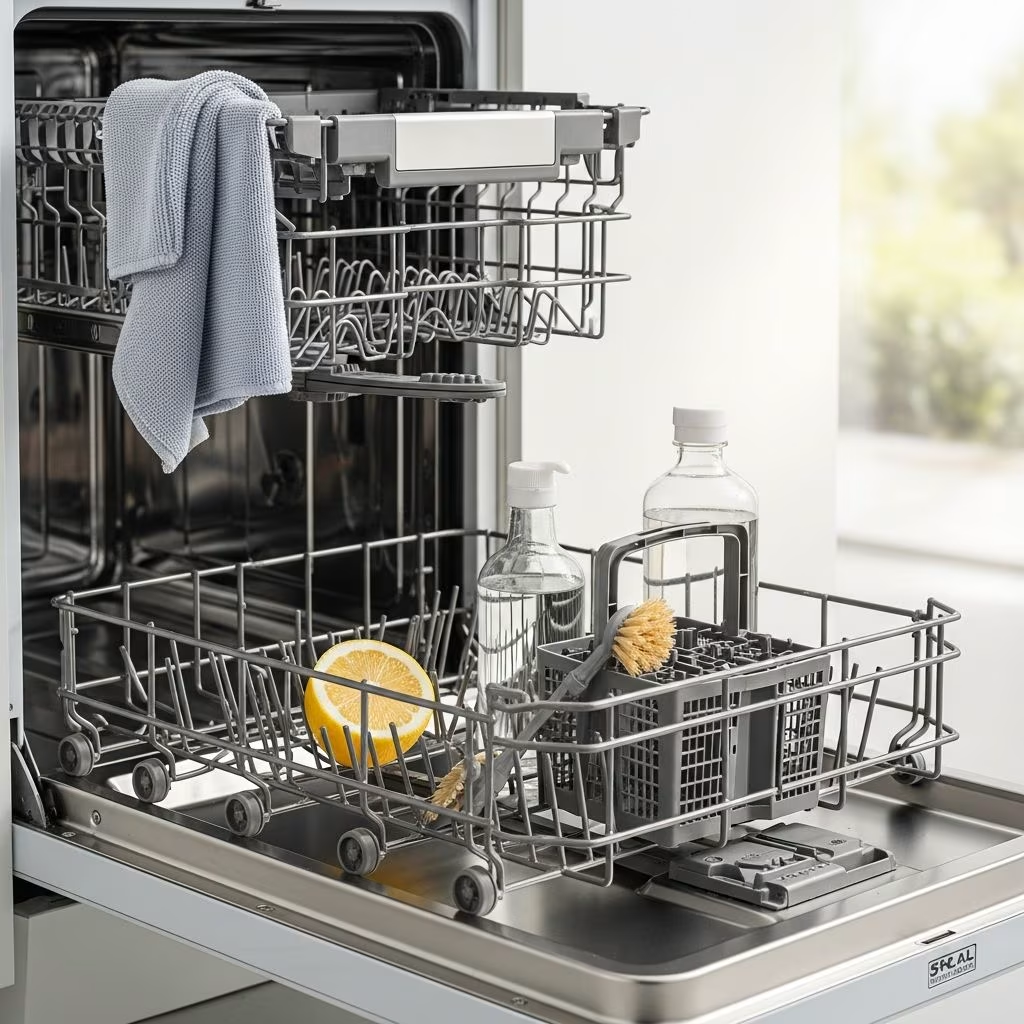
Your dishwasher works tirelessly to clean your dishes, but over time, it accumulates food residue, grease, mineral deposits, and bacteria that can cause odors, poor performance, and cloudy dishes. Regular cleaning not only restores its efficiency but also extends its lifespan, saving you money on repairs or replacements. This comprehensive guide provides detailed steps for deep cleaning every part of your dishwasher, using affordable household items like white vinegar and baking soda. Follow these instructions quarterly or monthly if you notice smells or buildup.
Why Clean Your Dishwasher Regularly?
A dirty dishwasher doesn’t just smell bad; it compromises cleaning power. Food particles clog filters and spray arms, reducing water flow and leaving residue on dishes. Hard water minerals create limescale, while bacteria thrive in moist environments, leading to foul odors. According to appliance maintenance experts, routine cleaning prevents 80% of common issues like draining problems and rust formation. Clean models also use less energy and detergent, promoting eco-friendly operation.
- Signs it needs cleaning: Musty smells, white film on glassware, spots on dishes, or visible grime.
- Frequency: Monthly for heavy use; quarterly otherwise.
- Benefits: Better cleaning, energy savings, prolonged appliance life.
Gather Your Cleaning Supplies
Most items are already in your kitchen, making this an inexpensive task.
| Item | Purpose | Why It Works |
|---|---|---|
| White vinegar (1-2 cups) | Degreasing, sanitizing | Natural acid dissolves minerals and kills bacteria |
| Baking soda (1 cup) | Odor neutralization, scrubbing | Absorbs smells and mildly abrasive |
| Dishwasher cleaner pod (optional) | Deep clean cycle | Targets tough buildup |
| Soft toothbrush, microfiber cloth, sponge | Scrubbing details | Removes debris without scratching |
| Degreaser spray (kitchen-safe) | Seals and corners | Cuts through grease |
| Toothpick or pipe cleaner | Unclogging jets | Precise poking for spray arms |
Step 1: Empty and Inspect the Dishwasher
Start with an empty machine to avoid damaging dishes. Remove the bottom rack to access the drain and filter area. Check for standing water, food scraps, or debris—scrape them out manually with a paper towel. This prevents clogs during cleaning.
- Pro tip: Wear gloves if dealing with heavy grime.
Step 2: Remove and Clean the Filter
The filter, usually at the bottom under the lower rack, traps food particles. Neglecting it causes odors and poor drainage.
- Twist or unclip the filter (consult your manual or search “[brand] dishwasher filter removal” for model-specific videos).
- Rinse under hot running water.
- Use a soft toothbrush and degreaser to scrub away stuck-on bits, including under seals.
- Soak in vinegar solution (1:1 water-vinegar) for 10-15 minutes if heavily soiled.
- Rinse thoroughly and set aside to dry.
Filters vary by model—cylindrical, flat, or multi-part—but all benefit from this soak-and-scrub method.
Step 3: Clean the Spray Arms
Spray arms distribute water; clogged holes lead to uneven cleaning. Most are removable.
- Lift off the upper and lower arms (they usually pop or twist free).
- Examine holes for blockages—use a toothpick or pipe cleaner to poke out debris.
- Soak in hot, soapy water or vinegar for 30 minutes.
- Scrub with a brush, rinse, and shake out excess water.
- Reinstall securely, ensuring free rotation.
For stubborn clogs, a wet vac can suck out particles from jets. Test spin after reinstalling.
Step 4: Wipe Down Seals, Door, and Interior
Grease and mold hide in rubber seals, corners, and vents.
- Spray seals with degreaser or vinegar; let sit 5-10 minutes, then wipe with microfiber cloth.
- Clean door edges, crevices, and any vent with a toothbrush.
- Wipe tub interior, paying attention to hidden spots.
Avoid harsh abrasives to prevent damage.
Step 5: Run a Cleaning Cycle
Now, leverage the machine’s power.
Vinegar Cycle
Place 1 cup white vinegar in a dishwasher-safe bowl on the top rack. Run the hottest cycle. Vinegar cuts grease, removes limescale, and sanitizes.
Baking Soda Rinse
Sprinkle 1 cup baking soda on the bottom. Run a short hot cycle. It neutralizes odors and polishes.
Commercial Cleaner (Optional)
Add a pod and run per instructions for intense buildup. Alternate methods monthly.
Step 6: Clean the Exterior and Behind the Unit
Don’t neglect the outside.
- Stainless steel: Wipe with vinegar-dampened cloth along the grain, dry immediately, optional olive oil polish.
- Other finishes: Mild soap and water.
For built-ins: Unplug/power off, loosen brackets, pull out slightly, wipe sides/back, check hoses for leaks. Portable units: Wipe under and behind fully.
Step 7: Reassemble and Final Wipe
Reinstall filter and arms. Run a rinse cycle with nothing inside. Wipe any remaining moisture. Your dishwasher is now pristine.
Ongoing Maintenance Tips
Prevent future buildup with these habits:
- Scrape dishes, don’t pre-rinse excessively.
- Use correct detergent and rinse aid.
- Run hot water before starting cycles.
- Monthly filter checks and mini-cleans.
- Wipe seals weekly.
| Problem | Solution |
|---|---|
| Odors | Vinegar/baking soda cycles |
| Cloudy dishes | Clean spray arms, check rinse aid |
| Poor draining | Filter clean, drain inspection |
| Rust spots | Manage with vinegar, avoid overcrowding |
Frequently Asked Questions (FAQs)
Can I use bleach to clean my dishwasher?
No, bleach can damage seals and interiors. Stick to vinegar or approved cleaners.
How often should I deep clean?
Every 1-3 months, or when issues arise.
What if my filter won’t come out?
Refer to your manual or model-specific video tutorials.
Is vinegar safe for all dishwashers?
Yes, for most; test a short cycle first on stainless interiors.
Why are my dishes still spotted after cleaning?
Check water hardness; use more rinse aid and ensure arms spin freely.
Advanced Tips for Longevity
To make your dishwasher last nearly forever:
- Only wash dishwasher-safe items.
- Use the right water temperature (120°F+).
- Periodically inspect for rust and manage promptly.
These steps ensure sparkling results and efficiency. Regular care transforms a neglected appliance into a reliable kitchen hero.
References
- The Ultimate Guide to Deep Cleaning Your Dishwasher — YouTube (Clean My Space). 2023-10-15. https://www.youtube.com/watch?v=tajBDbFkDDQ
- How to clean your dishwasher: a step-by-step guide — Best Buy Blog. 2024-05-20. https://blog.bestbuy.ca/appliances/major-appliances/how-to-clean-your-dishwasher-a-step-by-step-guide
- The ULTIMATE Guide to Deep Cleaning Your Dishwasher — YouTube (HowToHome). 2023-08-12. https://www.youtube.com/watch?v=Id7Oci313J4
- Make Your Dishwasher Last (Almost) Forever With These 6 Tricks — Wise Bread. 2015-07-10. https://www.wisebread.com/make-your-dishwasher-last-almost-forever-with-these-6-tricks
This article is general information, not personal financial advice. Consider your own situation, or speak with a licensed adviser, before acting on it.


