

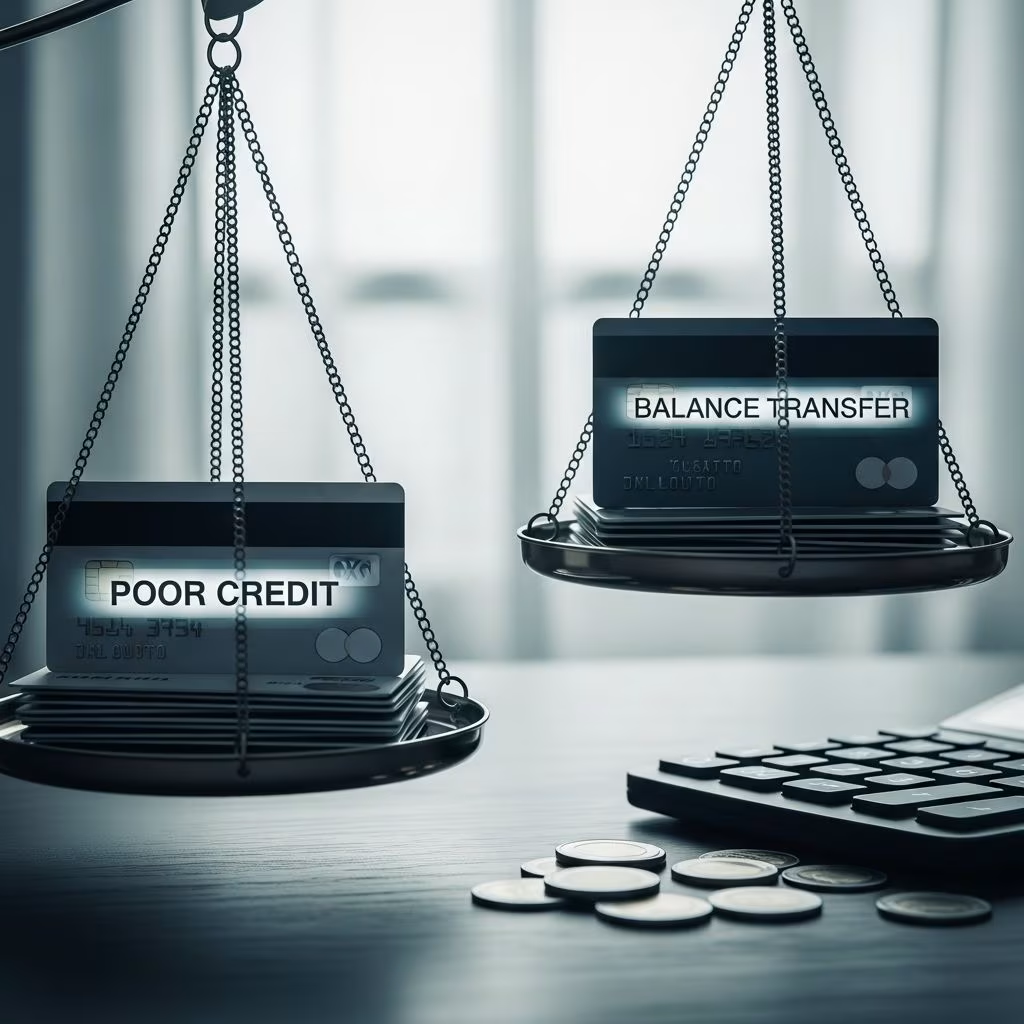
Individuals with poor credit histories often face steep hurdles when seeking balance transfer credit cards, as most premium offers demand strong credit profiles. However, targeted options and alternative approaches exist to shift high-interest debt to lower-rate accounts, aiding debt reduction without ideal credit scores.
Understanding Balance Transfers and Credit Requirements
A balance transfer involves moving debt from one credit card to another, typically to capitalize on a promotional low or zero interest rate period. This strategy shines for those who can aggressively repay during the intro window, minimizing interest costs. Premium cards offering 0% APR for 12-21 months usually target FICO scores of 690 or higher, classifying good to excellent credit.
For bad credit, defined as FICO scores below 580 to 630, approval odds plummet for these top-tier deals. Lenders view lower scores as higher risk, stemming from past issues like late payments or high utilization. Yet, some cards permit transfers albeit with compromises like high ongoing APRs up to 36% or modest credit limits.
Available Balance Transfer Cards for Poor Credit Profiles
Not all hope is lost; certain products cater to suboptimal credit. Secured cards, requiring a refundable deposit, sometimes allow transfers and build credit through responsible use. The Discover it Secured Credit Card, for instance, accepts limited or poor credit applicants and may facilitate transfers post-approval.
Unsecured options like the Fortiva Credit Card extend transfer capabilities to bad credit holders, but without promo rates, rendering them less advantageous than current debts. Fair credit (580-669) opens slightly more doors, potentially to low intro APR cards from issuers like Citi. Credit limits often cap transfers at 90-95% of available line, frequently low for risky profiles.
| Card Type | Credit Needed | Key Features | Drawbacks |
|---|---|---|---|
| Premium Balance Transfer | Good/Excellent (690+) | 0% APR 12-21 months | Inaccessible to bad credit |
| Secured Cards | Bad/Poor (<580) | Builds credit, some transfers | Deposit required, low limits |
| Bad Credit Unsecured | Bad/Poor (<630) | Allows transfers | High APR (up to 36%), fees |
Risks and Pitfalls of Balance Transfers with Subpar Credit
- Hard Inquiries Hurt Scores: Applying triggers a hard pull, temporarily dropping scores by 5-10 points, compounding bad credit woes.
- Insufficient Limits: Low approvals mean partial transfers, leaving residual high-interest debt.
- No Promo Benefits: Transferred balances often carry steep rates immediately, negating savings.
- Temptation to Overspend: Freeing space on old cards risks new purchases, doubling debt loads.
- Fees Add Up: 3-5% transfer fees apply upfront, plus potential annual fees.
Without a disciplined payoff plan, balances revert to high APRs post-promo (if any), accelerating debt growth. Experts caution against transfers unless full repayment is feasible before terms expire.
Proven Alternatives to Traditional Balance Transfers
When cards falter, other tactics prove effective for bad credit debt management.
Negotiate with Current Issuers
Contact existing card providers for rate reductions or internal transfers. Long-term customers with on-time payments succeed often; no new application needed, preserving scores. Between different banks only—e.g., no Chase-to-Chase.
Secured Cards as Stepping Stones
Deposit-backed cards like Discover’s offer paths to unsecured upgrades after 7 months of good behavior, unlocking better transfers later. They report to bureaus, boosting scores.
Debt Payoff Methods Without New Credit
Employ the debt avalanche (highest interest first) or snowball (smallest balances first) for momentum. These require no approvals, focusing surplus funds efficiently.
Debt Consolidation Loans
Personal loans from credit unions or online lenders may offer fixed lower rates for bad credit, consolidating multiple cards into one payment. Shop rates carefully.
| Method | Pros | Cons | Best For |
|---|---|---|---|
| Rate Negotiation | No hard inquiry | Success not guaranteed | Existing good payers |
| Secured Card | Builds credit | Upfront deposit | Long-term improvement |
| Avalanche/Snowball | No new debt | Requires discipline | Budget-focused users |
| Consolidation Loan | Fixed payments | May need fair credit | Multiple high-rate debts |
Steps to Improve Credit for Future Balance Transfers
Rebuilding unlocks premium options. Key actions include:
- Review reports from Experian, Equifax, TransUnion for errors; dispute inaccuracies promptly.
- Pay bills on time—35% of FICO score.
- Reduce utilization below 30%.
- Register on electoral roll if applicable; limit applications to every 3-6 months.
- Use secured cards responsibly for positive history.
Consistent efforts can elevate scores 100+ points in 6-12 months, qualifying for 0% deals.
Realistic Expectations and Planning
With bad credit, expect modest limits ($500-$2,000) and higher costs. Calculate breakeven: If fees exceed interest savings, skip it. Tools like payoff calculators help project timelines. Prioritize emergency funds alongside debt attacks to avoid cycles.
Frequently Asked Questions
Can I transfer balances between cards from the same bank?
No, most issuers prohibit intra-bank transfers to incentivize new accounts.
How long do promo periods last on bad credit cards?
Rarely offered; when present, 6-12 months max, unlike 18-21 for excellent credit.
Will a balance transfer improve my credit score?
Possibly, via lower utilization, but initial inquiry dings it short-term.
What if I can’t pay off before promo ends?
High regular APR applies to remaining balance—plan rigorously.
Are there 0% APR options for bad credit?
Generally no; seek fair credit upgrades or alternatives.
This comprehensive approach equips those with poor credit to navigate debt strategically, fostering financial stability.
References
- Can You Get a Balance Transfer Card With Bad Credit? — NerdWallet. 2023-2025. https://www.nerdwallet.com/credit-cards/learn/can-you-get-a-balance-transfer-card-with-bad-credit
- How To Do A Balance Transfer With Bad Credit — Uswitch. 2024. https://www.uswitch.com/credit-cards/guides/how-to-do-balance-transfer-with-bad-credit/
- Can I Get a Balance Transfer Card With Bad Credit? — Experian. 2025-02-01. https://www.experian.com/blogs/ask-experian/can-i-get-a-balance-transfer-card-with-bad-credit/
- Can I Find a Balance Transfer Card With Bad or Fair Credit? — LendingTree. 2024. https://www.lendingtree.com/credit-cards/articles/balance-transfer-bad-fair-credit/
- The Complete Guide to Balance Transfers — Bankrate. 2026-01. https://www.bankrate.com/credit-cards/balance-transfer/balance-transfer-guide/
This article is general information, not personal financial advice. Consider your own situation, or speak with a licensed adviser, before acting on it.


