

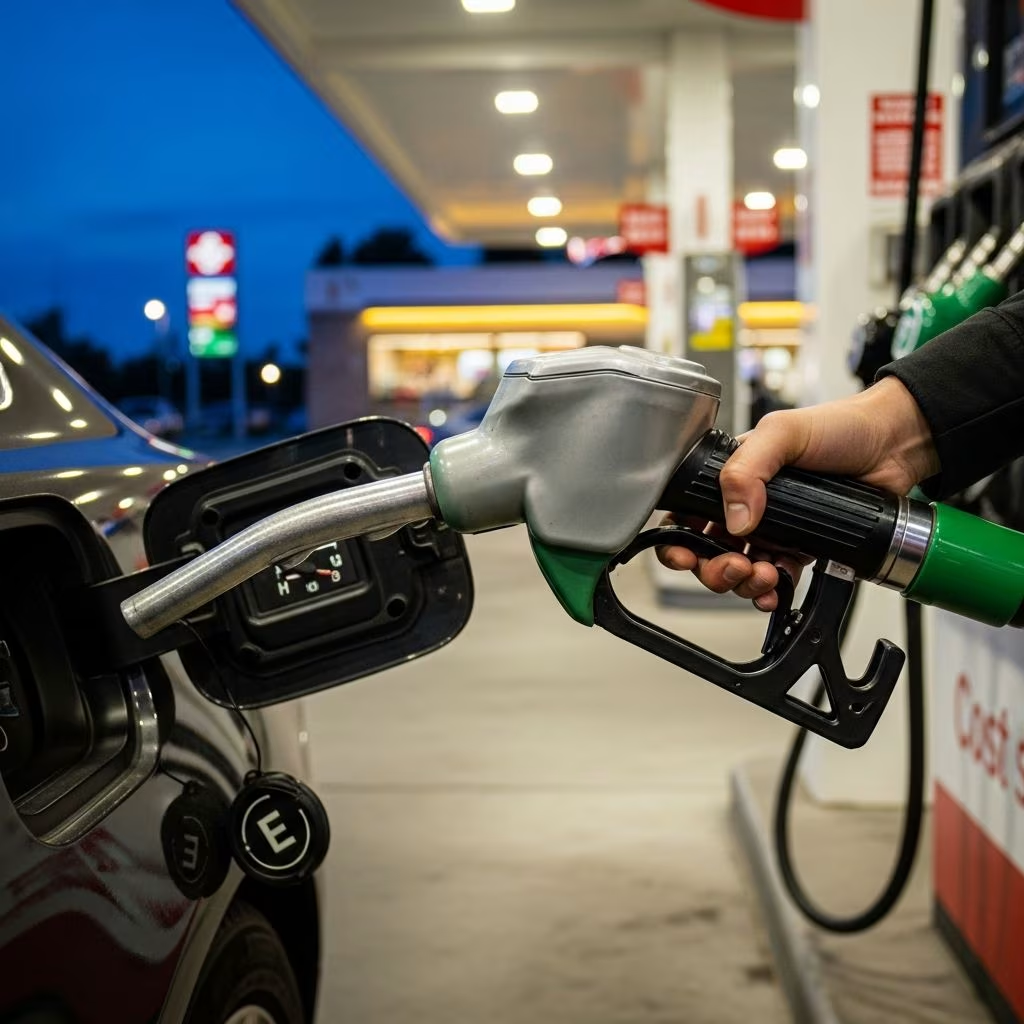
Gas prices fluctuate wildly, impacting household budgets across the nation. With fuel costs often ranking among top transportation expenses, mastering savings strategies becomes essential for financial savvy. This roundup curates the most effective, actionable tips from trusted personal finance experts to help you stretch every gallon further. Whether through better driving habits, routine maintenance, or strategic purchasing, these methods can yield significant annual savings—potentially hundreds of dollars for average drivers.
Why Gas Savings Matter Now More Than Ever
Rising global oil demands, geopolitical tensions, and seasonal travel spikes frequently drive pump prices upward. According to the U.S. Energy Information Administration (EIA), average U.S. gasoline prices hovered around $3.50 per gallon in recent years, but surges to $5 or higher have become common during peak periods. For a commuter driving 12,000 miles annually at 25 miles per gallon, that’s over $1,600 yearly—room for substantial cuts with the right approaches.
Implementing even a few tips below can improve fuel economy by 10-30%, translating to real money back in your wallet. Focus on low-effort, high-impact changes first for immediate results.
1. Maintain Your Vehicle for Peak Efficiency
Regular car maintenance is the cornerstone of gas savings. A poorly tuned engine can reduce fuel efficiency by up to 10%, per the U.S. Department of Energy. Key steps include:
- Keep tires properly inflated: Underinflated tires increase rolling resistance, burning more fuel. Check pressure monthly using the sticker on your driver’s door jamb—aim for the recommended PSI cold. This simple habit alone boosts mileage by 3%.
- Change air filters regularly: A dirty air filter restricts airflow, forcing the engine to work harder. Replace every 12,000 miles or annually; expect 5-10% efficiency gains.
- Follow oil change schedules: Fresh synthetic oil reduces friction. Dirty oil can drop MPG by 2%.
- Align wheels and balance tires: Misalignment causes drag; professional service every 6,000 miles prevents this.
Pro tip: Use apps like GasBuddy to track maintenance reminders alongside pump prices.
2. Adopt Fuel-Efficient Driving Habits
Your right foot controls the biggest variable in fuel use. Aggressive driving wastes gas—rapid acceleration and hard braking can lower efficiency by 33% on highways, states the EIA. Refine these habits:
- Avoid jackrabbit starts: Accelerate smoothly to 20 mph before merging. Gentle throttle use saves 10-15%.
- Maintain steady speeds: Use cruise control on highways; it optimizes RPMs. Every 5 mph over 50 mph cuts MPG by 10% due to wind resistance.
- Minimize idling: Turn off the engine if stopped longer than 10 seconds. Idling guzzles 0.5 gallons per hour.
- Coast to stops: Ease off the gas early; regenerative braking in hybrids amplifies this.
| Driving Habit | Potential MPG Gain | Annual Savings (12k miles) |
|---|---|---|
| Smooth acceleration | 10-15% | $160-$240 |
| Cruise control use | 7-14% | $110-$220 |
| No idling | 5% | $80 |
3. Lighten Your Load and Streamline Aerodynamics
Extra weight and drag sap fuel. The EPA notes every 100 pounds reduces MPG by 1-2%. Actions include:
- Remove roof racks when unused: They increase drag by 25% at highway speeds.
- Clear trunk clutter: Ditch unnecessary items; transport heavy loads only when needed.
- Close windows at high speeds: Open windows above 45 mph create turbulence, worse than AC use.
For SUVs and trucks, consider tonneau covers to cut drag by up to 10%.
4. Plan Smarter Trips and Routes
Combine errands to minimize cold starts, which use 20% more fuel in the first mile. Use tools like Google Maps for traffic-avoiding routes. Other tactics:
- Shop during off-peak: Avoid rush hour for smoother flow.
- Carpool or use public transit: Apps like Waze Carpool match riders.
- Park strategically: Choose spots farthest from entrances to add walking steps.
5. Choose the Right Fuel and Pump Wisely
Skip premium unless required—using it in regular-octane cars wastes money without benefits. Buy mid-grade only if tests confirm gains.
- Time purchases: Fill up mid-week mornings when prices dip.
- Use rewards apps: Programs like Shell Fuel Rewards offer 5-10¢/gallon off.
- Gas up at high-volume stations: Fresher fuel with fewer sediments.
Table of fuel myths vs. facts:
| Myth | Fact |
|---|---|
| Topping off after click | Vapor recovery systems make it evaporate; don’t do it. |
| Right-side pump cheaper | Price signs reflect both sides equally. |
| Premium always better | Only for high-compression engines. |
6. Consider Fuel-Efficient Upgrades and Alternatives
Short-term: Use AC sparingly (set to 72°F recirculate). Long-term: Switch to hybrids or EVs where feasible. Tires with low rolling resistance improve MPG by 4%.
Frequently Asked Questions (FAQs)
What is the single biggest gas saver?
Maintaining proper tire pressure offers the easiest 3-5% boost with minimal effort.
Does gas weigh down the tank?
A full tank adds weight but stabilizes the vehicle; keep half-full for balance.
Are gas apps accurate?
Apps like GasBuddy crowdsource prices effectively; verify at pumps.
How much can I save yearly?
Average drivers save $200-500 combining habits, per DOE estimates.
Electric vehicles worth it?
For high-mileage users, yes—lifetime savings exceed $10,000 despite upfront costs.
Bonus Tips from the Community
Readers share: Track MPG monthly via apps like Fuelly. Telecommute twice weekly to slash 20% of commutes. Bike short trips under 2 miles.
Start today: Pick three tips and commit for a month. Track savings to stay motivated. Consistent application turns these into lifelong habits, fortifying your budget against future price hikes.
References
- Gasoline Explained: Basics, Production, and Prices — U.S. Energy Information Administration. 2025-10-15. https://www.eia.gov/energyexplained/gasoline/
- Fuel Economy Tips — U.S. Department of Energy, Alternative Fuels Data Center. 2025-08-20. https://www.fueleconomy.gov/feg/driveHabits.jsp
- Fuel Economy Guide — EPA. 2025-11-01. https://www.fueleconomy.gov/feg/maintain.jsp
- Gasoline Retail Prices — Federal Reserve Bank of St. Louis (FRED). 2025-12-10. https://fred.stlouisfed.org/series/GASREGW
- Driving More Efficiently — U.S. Department of Energy. 2024-07-12. https://www.energy.gov/energysaver/driving-more-efficiently
This article is general information, not personal financial advice. Consider your own situation, or speak with a licensed adviser, before acting on it.


