

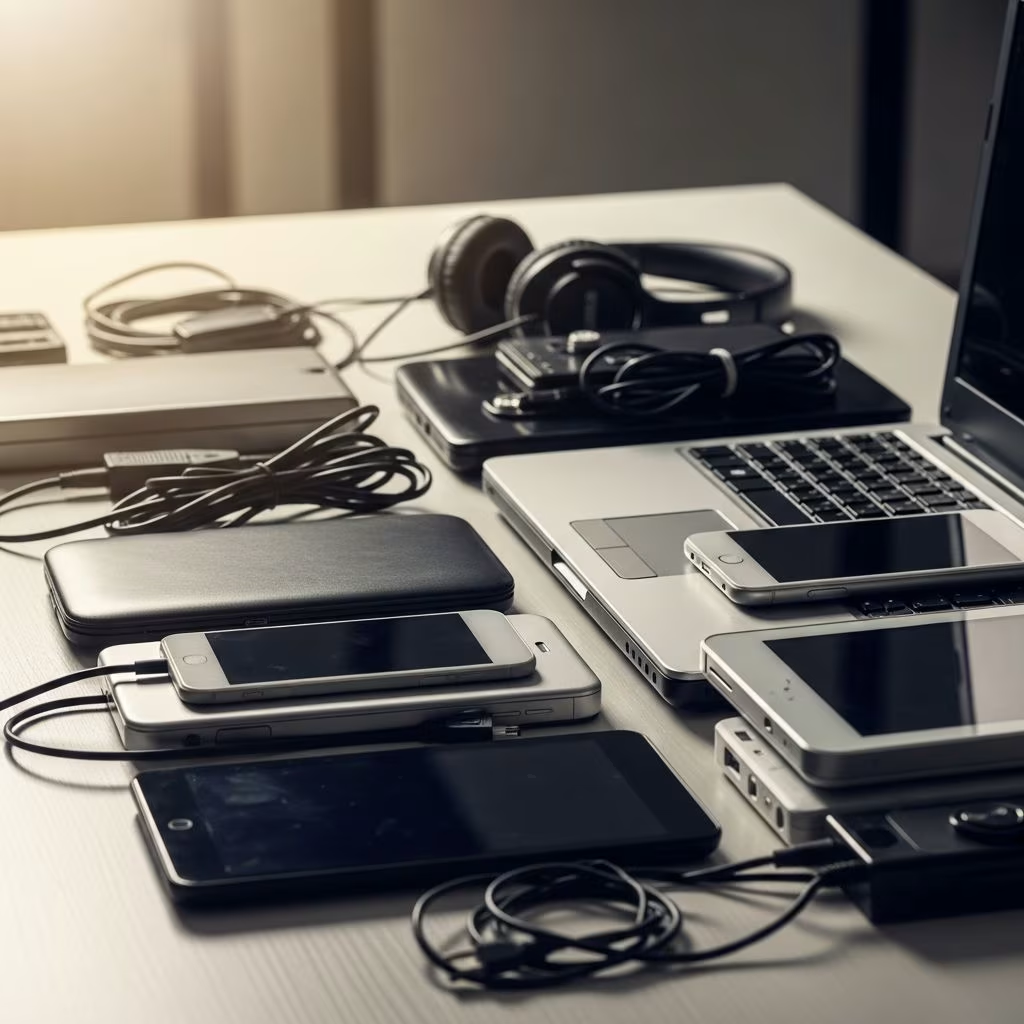
With technology advancing rapidly, many households accumulate old electronics like outdated smartphones, laptops, TVs, and peripherals. Simply tossing them in the trash harms the environment due to hazardous materials such as lead, mercury, and lithium batteries. This guide outlines responsible disposal methods, drawing from established programs and best practices to minimize waste, recover value, and protect ecosystems.
Why Proper Disposal Matters
Electronics waste, or e-waste, constitutes a growing environmental challenge. In the U.S., millions of tons of e-waste are generated annually, often containing toxic substances that leach into soil and water if landfilled. Programs like Wisconsin’s E-Cycle have diverted significant volumes from landfills; for instance, TVs and monitors in landfills dropped 85% between 2009 and 2020 due to recycling laws. Proper handling recovers valuable metals like gold and silver while preventing pollution.
Before disposal, always erase personal data using factory resets or certified wiping software to safeguard privacy. Manufacturers and recyclers often provide on-site data destruction services.
Sell Your Old Electronics
Turn clutter into cash by selling functional devices. Platforms like eBay, Craigslist, or Facebook Marketplace allow direct sales to buyers. Specialized buyback services offer quick payouts:
- Gazelle: Ships devices for free evaluation; payments via check, PayPal, or Amazon gift cards.
- Decluttr: Accepts phones, tablets, and media players with instant quotes.
- Swappa: Peer-to-peer sales for tested used tech.
For higher returns, repair minor issues first. Comments from users indicate repairing and selling on Craigslist yields better profits than recycling scrap. Expect 10-50% of original value depending on condition and model age.
| Platform | Pros | Cons | Payout Speed |
|---|---|---|---|
| eBay/Craigslist | Highest prices | Fees, shipping effort | Days to weeks |
| Gazelle | Free shipping, easy | Lower offers | Few days |
| Best Buy Trade-In | Store credit | Limited devices | Instant |
Donate to Charity
Tax-deductible donations extend device life for nonprofits. Ensure devices work; many refurbish for education or low-income aid.
- Computers with Causes: Provides PCs to schools and veterans.
- Goodwill or Salvation Army: Accepts working electronics for job training programs.
- Local schools/libraries: Often need outdated but functional tech.
Obtain receipts for IRS deductions. Avoid donating broken items, as charities may incur disposal costs.
Trade-In Programs
Major retailers and manufacturers incentivize returns with credits toward new purchases.
- Apple Trade-In: Up to $650 for old iPhones.
- Best Buy: Gift cards for TVs, laptops; partners with recyclers.
- Carrier Programs (Verizon, AT&T): Discounts on upgrades.
These programs often include free recycling if the device has no trade value.
Recycle Responsibly
When devices can’t be sold or donated, use certified e-waste recyclers. Avoid municipal trash due to bans in many states.
Finding Recyclers:
- Search Earth911.com or call 1-800-CLEANUP for local drop-offs.
- Retailers like Staples, Office Depot offer free recycling days.
- Manufacturer take-back: Dell, HP, Samsung provide mail-back labels.
Recycling processes involve sorting, dismantling, shredding, and material separation to recover plastics, metals, and glass. Facilities handle hazards like lithium batteries and CRT lead safely. Wisconsin’s program recycled thousands of tons in 2021, with TVs comprising 51%.
Special Handling for Certain Devices
Batteries
Remove lithium-ion batteries from laptops/phones; they risk fires in landfills. Drop at retailers or hazardous waste events.
CRT Monitors/TVs
Heavy leaded glass requires specialized processors. Many areas charge fees ($20-50) due to handling costs.
Small Appliances
Microwaves, chargers go to e-waste events; cords can be scrapped for copper.
Free Pickup Services
For bulk items, services like 1-800-GOT-JUNK or LoadUp offer e-waste pickup (fees apply). Some cities provide free curbside on designated days.
Make Money from Scrap
Scavengers pay for metals: copper wiring ($3/lb), aluminum cases. Websites like iScrap App locate yards. Dismantle safely to maximize yield.
Corporate and Community Programs
Businesses use services like Sims Recycling for bulk IT disposal. Schools participate in drives, partnering with recyclers.
Frequently Asked Questions (FAQs)
Can I throw old electronics in the regular trash?
No, most states ban it due to toxins. Use certified recyclers to comply.
How do I wipe data securely?
Use DBAN for drives or manufacturer tools. Professionals offer certified destruction.
Is recycling free?
Often yes for small volumes; fees for large/old TVs.
What if my device still works but is outdated?
Sell, donate, or trade-in first.
Are there incentives for recycling?
Some retailers give coupons; programs like E-Cycle fund statewide efforts.
State Laws and Bans
33 states have e-waste laws. California’s CRT ban and similar rules mandate recycling. Check EPA.gov for local regs.
Preventing Future Buildup
Buy durable devices, upgrade less frequently, and resell promptly. Movements like The Compact encourage minimalism to reduce consumption.
In summary, prioritize the reuse hierarchy: sell > donate > trade > recycle. These steps not only declutter your space but contribute to a circular economy, recovering 95% of materials in modern facilities.
References
- Recent comments | Wise Bread — Wise Bread. Accessed 2026. https://www.wisebread.com/comments?page=2704
- How 83.6 MILLION Pounds of Electronic Waste Is Recycled EACH… — YouTube. 2023. https://www.youtube.com/watch?v=sQm2b-IsFsU
- E-Cycle Wisconsin 2021 report — Wisconsin Department of Natural Resources. 2022. https://apps.dnr.wi.gov/doclink/waext/wa1926.pdf
- Turn Unwanted Electronics Into Cash With Gazelle — Wise Bread. Accessed 2026. https://www.wisebread.com/turn-old-electronics-into-cash-with-gazelle
- How I Saved $30,000 and Helped the Earth at the Same Time — Wise Bread. Accessed 2026. https://www.wisebread.com/how-i-saved-30000-and-helped-the-earth-at-the-same-time
This article is general information, not personal financial advice. Consider your own situation, or speak with a licensed adviser, before acting on it.


