

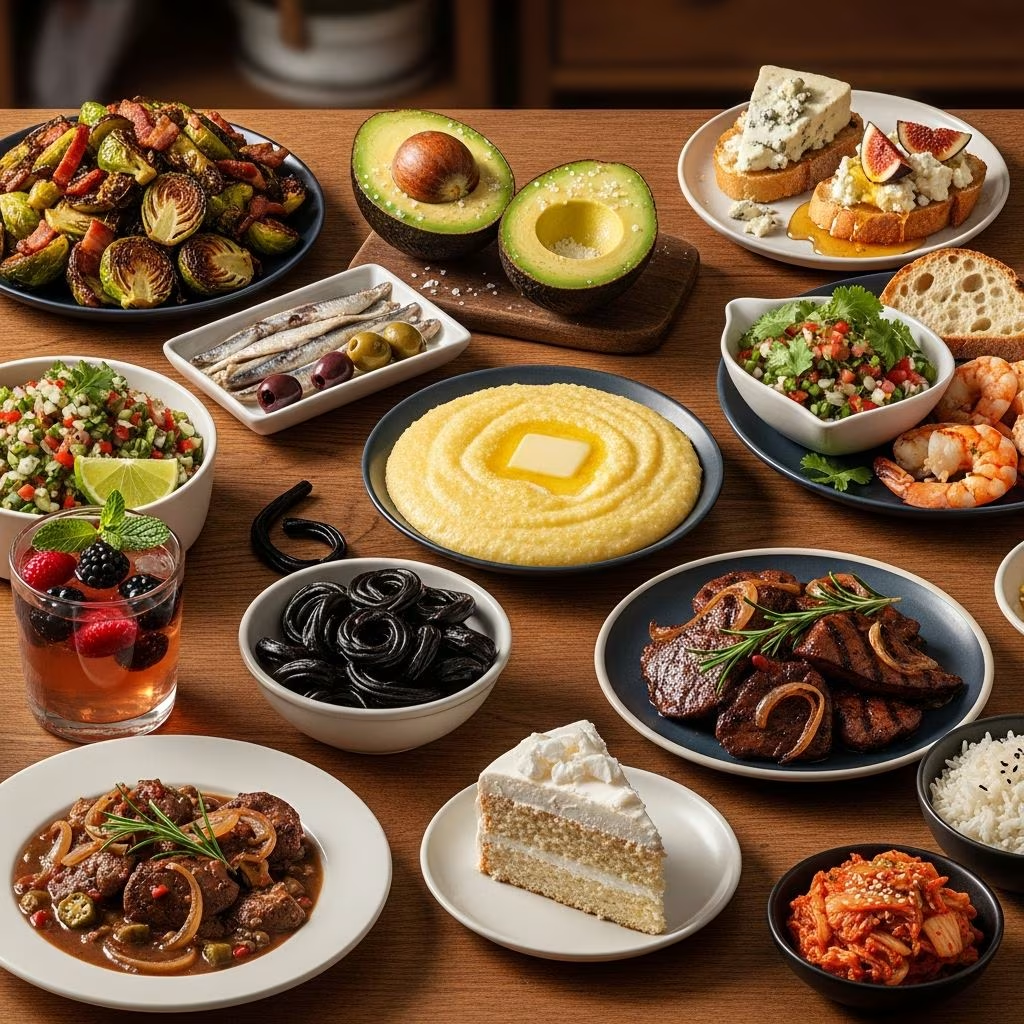
Not everyone loves every food, and that’s okay. Some ingredients like Brussels sprouts, anchovies, and beets have earned a bad reputation due to poor preparation or bad first experiences. But with the right techniques, these foods can become delicious staples in your diet. This guide covers 12 foods people often hate, offering practical tips, recipes, and science-backed reasons why they deserve a second chance. Whether it’s masking bitterness or enhancing textures, you’ll learn to enjoy them all.
1. Raisins
Raisins are chewy, overly sweet, and can dominate dishes like salads or oatmeal. Many hate their wrinkly texture and concentrated flavor, associating them with childhood trauma from fruitcake or boxed cereals. The key to loving raisins is balance and integration.
Start by choosing high-quality varieties: Thompson or golden raisins are plump and less cloyingly sweet. Soak them in warm water or rum for 30 minutes to plump them up, reducing chewiness. In savory dishes, pair with sharp cheeses like goat cheese in salads or chop finely into carrot cake for subtle sweetness.
- Recipe: Raisin Oatmeal Cookies – Mix soaked raisins with oats, cinnamon, and dark chocolate chips. Bake at 350°F for 12 minutes for chewy, not sticky, treats.
- Pro Tip: Freeze raisins for a burst of cold sweetness in trail mix, masking any fermented notes.
Nutritionally, raisins pack iron and fiber, making them a smart snack when prepared right.
2. Fish
Fish often gets hate for its fishy smell, mushy texture, or bony surprises. Overcooked salmon turns dry, while cheap tilapia tastes bland. Freshness is crucial—look for clear eyes and ocean scent, not ammonia.
Cook low and slow: Poach in olive oil at 120°F for flaky perfection, or grill skin-on for crispiness. Season boldly with lemon, garlic, and herbs to cut through any off-flavors. For skeptics, start with mild white fish like cod in fish tacos.
- Easy Recipe: Lemon-Herb Baked Cod – Marinate fillets in olive oil, lemon zest, dill, and salt for 20 minutes. Bake at 400°F for 10-12 minutes.
- Texture Hack: Pat dry thoroughly before cooking to avoid steaming.
Omega-3s in fish support heart health, so mastering it pays off long-term.
3. Peas
Frozen peas are mushy and bland, earning them a spot on kids’ hate lists. Fresh or high-quality frozen English peas change everything with their sweet, snappy pop.
Blanch briefly in boiling salted water (1-2 minutes), then shock in ice water for vibrant color and crunch. Sauté with butter, mint, and shallots for a side that rivals corn. Avoid overcooking—it’s the enemy of pea perfection.
- Recipe: Pea Pesto Pasta – Blend blanched peas with basil, garlic, Parmesan, and pine nuts for a fresh twist on pesto.
- Why It Works: Peas’ natural sugars caramelize lightly when stir-fried.
4. Anchovies
Anchovies scream ‘too salty’ or ‘fishy paste’ in cheap Caesar dressings. High-quality ones from Spain or Italy are meaty and umami-rich, not overpowering.
Melt them into sauces: Dissolve two fillets in hot olive oil with garlic for pasta puttanesca. In salads, chop finely and mix with vinaigrette—the flavor mellows. Rinse salt-packed ones before use.
- Pro Recipe: Anchovy Butter – Mash with butter, lemon, and capers; spread on grilled bread.
- Fun Fact: They boost glutamate levels for savoriness without fishiness.
5. Tomatoes
Mealiness in winter tomatoes or acidity woes turn people off. Heirloom summer varieties or slow-roasted canned ones shine brightest.
Roast at 250°F for 3 hours to concentrate sweetness and eliminate wateriness. In sauces, add butter or carrots to balance acid. For raw, salt heavily and let sit to draw out juices.
- Recipe: Roasted Tomato Soup – Blend roasted tomatoes with stock, basil, and cream.
Tomatoes’ lycopene is a potent antioxidant when cooked.
6. Beets
Beets stain everything and taste like dirt to some due to geosmin compound. Roasting mellows earthiness into sweetness.
Wrap in foil and roast at 400°F for 45-60 minutes until fork-tender. Peel, then toss with goat cheese, walnuts, and balsamic glaze. Golden beets are milder for beginners.
- Recipe: Beet Hummus – Blend roasted beets with chickpeas, tahini, and garlic for pink dip delight.
- Stain Buster: Wear gloves; vinegar cleans up residue.
7. Tofu
Tofu haters call it spongy or tasteless. Pressing removes water, creating a canvas for flavors.
Press between towels with weight for 30 minutes. Cube, marinate in soy-ginger, then air-fry for crispiness. Silken tofu blends into smoothies or desserts.
- Recipe: Crispy Tofu Stir-Fry – Coat in cornstarch, fry, and toss with veggies.
8. Brussels Sprouts
Bitter and sulfurous when boiled, Brussels sprouts transform when roasted. Trim ends, halve, and toss with oil, salt, and bacon bits.
Roast at 425°F for 20-25 minutes, flipping halfway for caramelized edges. Lemon juice cuts bitterness post-roast.
- Recipe: Shaved Brussels Salad – Thinly slice raw, dress with Dijon vinaigrette and Parmesan.
High in vitamin C and fiber.
9. Liver
Metallic and tough if overcooked, liver needs gentle handling. Soak in milk overnight to tame bitterness.
Sauté thin slices in butter with onions for 2-3 minutes per side. Medium-rare keeps it creamy.
- Classic: Pâté – Blend cooked liver with brandy and herbs.
10. Olives
Briny and pitted annoyances. Pitted Kalamatas or Castelvetrano are buttery and mild.
Stuff with cheese or chop into tapenade. Warm in olive oil with garlic for salads.
11. Blue Cheese
Moldy and pungent? Crumble over pears or steak; the funk pairs with sweet or fatty foods.
Recipe: Blue Cheese Dressing – Mix with mayo, sour cream, and Worcestershire.
12. Cilantro
Soapy to 10% of people due to genetics. Chop finely or substitute parsley; roast to mellow.
In salsas, blend with lime to balance.
General Tips for Hated Foods
| Food | Common Complaint | Fix |
|---|---|---|
| Quinoa | Bitter, soapy | Rinse thoroughly, toast before cooking |
| Eggplant | Soggy, bitter | Sweat with salt, roast high heat |
| Mushrooms | Slimy | Cook dry pan first, high heat |
Frequently Asked Questions (FAQs)
Q: Why do I hate cilantro?
A: Genetic variation makes it taste soapy to some; try ground or alternatives like parsley.
Q: Can I make tofu crispy?
A: Yes, press, coat in starch, and air-fry or deep-fry.
Q: How to roast veggies perfectly?
A: High heat (425°F+), don’t crowd pan, use oil and salt.
Q: Are beets always sweet?
A: Roasting enhances natural sugars; pair with acid like vinegar.
Q: Best fish for beginners?
A: Salmon or cod—mild, forgiving, and flavorful when fresh.
References
- 12 Foods People Hate Because They’re Preparing Them Wrong, According To A Chef — Tasting Table. 2024-10-15. https://www.tastingtable.com/2042042/foods-hated-because-prepared-wrong/
- How to Enjoy the 12 Foods People Love to Hate — Wise Bread. 2010-08-12. https://www.wisebread.com/how-to-enjoy-the-12-foods-people-love-to-hate
- Brussels Sprouts: Nutrition Facts — USDA FoodData Central. 2023-05-01. https://fdc.nal.usda.gov/fdc-app.html#/food-details/170383/nutrients
- Genetic Variation in Taste Perception — National Institutes of Health (NIH). 2022-11-10. https://www.ncbi.nlm.nih.gov/pmc/articles/PMC5789016/
- Omega-3 Fatty Acids in Fish — American Heart Association. 2025-01-05. https://www.heart.org/en/healthy-living/healthy-eating/eat-smart/fats/fish-and-omega-3-fatty-acids
- Lycopene in Tomatoes — Harvard T.H. Chan School of Public Health. 2024-03-20. https://www.hsph.harvard.edu/nutritionsource/food-features/tomatoes/
This article is general information, not personal financial advice. Consider your own situation, or speak with a licensed adviser, before acting on it.


