

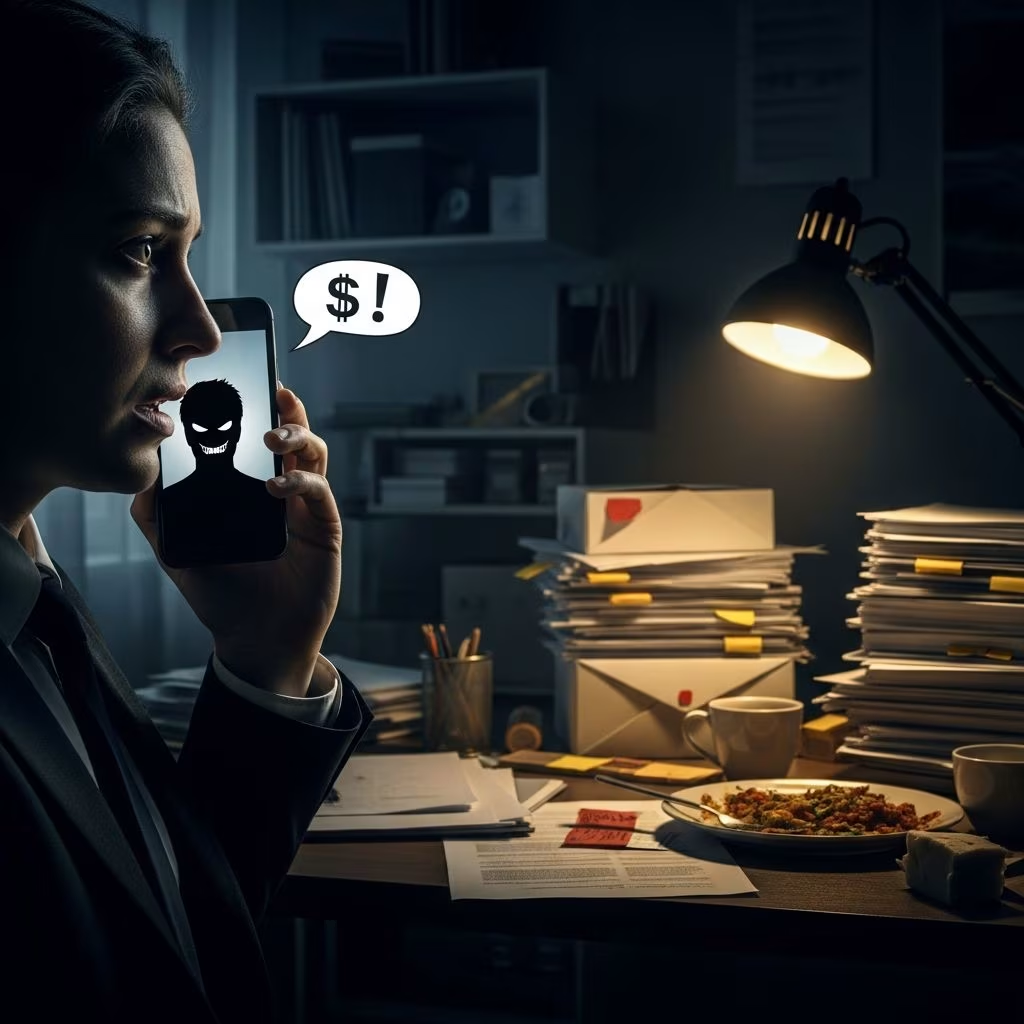
Debt collectors can be relentless, using aggressive tactics to pressure you into payment. But you have rights protected by federal law, primarily the Fair Debt Collection Practices Act (FDCPA), which prohibits harassment, false threats, and unfair practices. This guide covers everything from recognizing violations to stopping calls and negotiating settlements.
Understanding Your Rights Under the FDCPA
The FDCPA is your primary shield against abusive debt collection. Enacted in 1977, it applies to third-party collectors but not original creditors. Key protections include no calls before 8 a.m. or after 9 p.m., no contact at work if prohibited, and no threats of arrest or violence. Violations can lead to lawsuits where you may collect up to $1,000 plus attorney fees.
- **No Harassment:** Collectors cannot use obscene language, repeated calls to annoy, or publish your debt as a list.
- **No False Statements:** They can’t lie about the amount owed, claim to be attorneys if not, or threaten actions they can’t take.
- **Right to Dispute:** Within 30 days of initial contact, request debt validation in writing.
One-third of consumers with credit files have collections tradelines, often medical bills, and many dispute their accuracy. Ignoring these rights empowers collectors.
Common Tactics Nasty Collectors Use
Collectors buy debts for pennies on the dollar and aim for maximum recovery. Tactics include scare calls pretending legal action, inflating amounts, or contacting family/friends excessively. Even after a 1099-C ‘Cancellation of Debt’ form (code G for discontinued collection), agencies may still pursue, as it’s not always a full discharge.
| Tactic | Why It’s Illegal | What to Do |
|---|---|---|
| Threats of jail | Debtors’ prison abolished; civil debt only | Document and report |
| Multiple daily calls | Harassment under FDCPA | Send cease letter |
| Misrepresenting amount | False statements prohibited | Request validation |
| Contacting employer | Privacy invasion unless locating you | Notify in writing |
Pro se litigants like Craig Cunningham sue violators successfully, turning harassment into profit by catching technical breaches.
How to Stop the Calls Immediately
Verbal requests may not suffice; send a certified cease-and-desist letter. Template: “Cease all communication except to confirm cessation or notify of specific remedies like lawsuit.” This forces silence under FDCPA, though original creditor may still contact.
- Keep phone log: date, time, collector name, tactics used.
- Mail letter return-receipt requested.
- If ignored, sue for violation—collectors must comply or face penalties.
Paying doesn’t erase credit damage; collections stay 7 years as “paid collection.” Calls stop post-payment, but score lags.
Requesting Debt Validation: Your First Defense
Collectors must validate within 30 days if requested. They provide: debt originator, amount, your name/address. No proof? They must cease collection. This stalls aggressive pursuits and reveals “zombie debts” past statute of limitations (3-10 years by state).
Sample letter: “I dispute this debt and request validation including name/address of original creditor, itemization, and chain of ownership.” If invalid, dispute with credit bureaus.
Negotiating with Debt Collectors Effectively
Don’t admit owing or promise payment initially. Offer settlements at 30-50% if affordable; get “pay-for-delete” in writing (rare but possible). Multiple delinquencies before collections tank scores; negotiate to minimize further harm.
- Record calls (check state laws; federal allows one-party consent).
- Use payment plans if viable—collectors prefer steady income.
- Avoid post-9 p.m. calls or weekends; log violations.
You can’t jail for unsecured debt, a myth collectors exploit.
What Happens After Paying a Collection Account
Relief: no more calls. But credit reports show “paid” for 7 years from delinquency. Lenders view it warily, hiking rates. Missed payments persist too. Rebuild via secured cards, on-time payments.
Dealing with Collectors After 1099-C Forgiveness
Form 1099-C signals cancellation (e.g., bankruptcy, statute expiration, policy change), taxable as income. But code G (discontinue collection) isn’t absolute discharge—courts rule it doesn’t auto-cancel. Respond firmly; seek legal aid to block suits/liens.
Suing Debt Collectors for Violations
FDCPA allows private lawsuits within 1 year. Document everything; small claims or attorney (many take contingency). Success stories abound—collectors settle to avoid $1,000 statutory damages.
Protecting Family Members from Contact
Collectors can ask relatives for location info once, not discuss debt. Repeated contact? Harassment. Instruct family to say nothing but forward to you.
State Laws and Additional Protections
Some states enhance FDCPA (e.g., licensing, bonds). Check attorney general site. Small businesses lack full FDCPA cover, facing abuses too.
Rebuilding Credit After Collections
Monitor reports (AnnualCreditReport.com). Dispute inaccuracies. Use credit-builder loans. Avoid new debt. Scores recover in 1-2 years with good habits.
Frequently Asked Questions (FAQs)
Q: Can debt collectors call me at work?
A: Only to locate you if they lack address; stop if you say it’s prohibited. Send written notice.
Q: What if they threaten lawsuit?
A: Most bluff; statutes often expired. Demand validation; consult lawyer if sued.
Q: Does paying remove it from credit report?
A: No, stays 7 years as paid. Negotiate pay-for-delete rarely succeeds.
Q: Can they contact family?
A: Limited to location info once; no debt discussion.
Q: Is debt forgiven after 1099-C?
A: Not always; respond to collectors, seek legal help.
Q: How to sue a collector?
A: Document violations, file in federal/small claims within 1 year for up to $1,000.
This comprehensive approach empowers you against nasty collectors. Stay calm, document, enforce rights—turn the tables.
References
- Collectors still calling after a 1099-C ‘Cancellation of Debt’ tax form — CreditCards.com. 2014-01-29. https://www.creditcards.com/credit-management/1099-c-collectors-still-calling-1294/
- Protecting families and honest businesses from debt collection abuses — Consumer Financial Protection Bureau (CFPB). 2023-10-12. https://www.consumerfinance.gov/about-us/blog/protecting-families-and-honest-businesses-from-debt-collection-abuses/
- Here’s What Happens to an Account in Collections – Even When You Pay Up — Wise Bread. Accessed 2026. https://www.wisebread.com/heres-what-happens-to-an-account-in-collections-even-when-you-pay-up
- Better Off Deadbeat: Craig Cunningham Has a Simple Solution for Getting Bill Collectors Off His Back — Wise Bread. 2010-01-21. https://www.wisebread.com/comments/book%20flights?page=2728
- Laws the Leg-Breakers Don’t Want You to Know About — Wise Bread. Accessed 2026. https://www.wisebread.com/laws-the-leg-breakers-don-t-want-you-to-know-about
- 5 Things Debt Collectors Don’t Want You to Know — Wise Bread. Accessed 2026. https://www.wisebread.com/5-things-debt-collectors-dont-want-you-to-know
This article is general information, not personal financial advice. Consider your own situation, or speak with a licensed adviser, before acting on it.


