

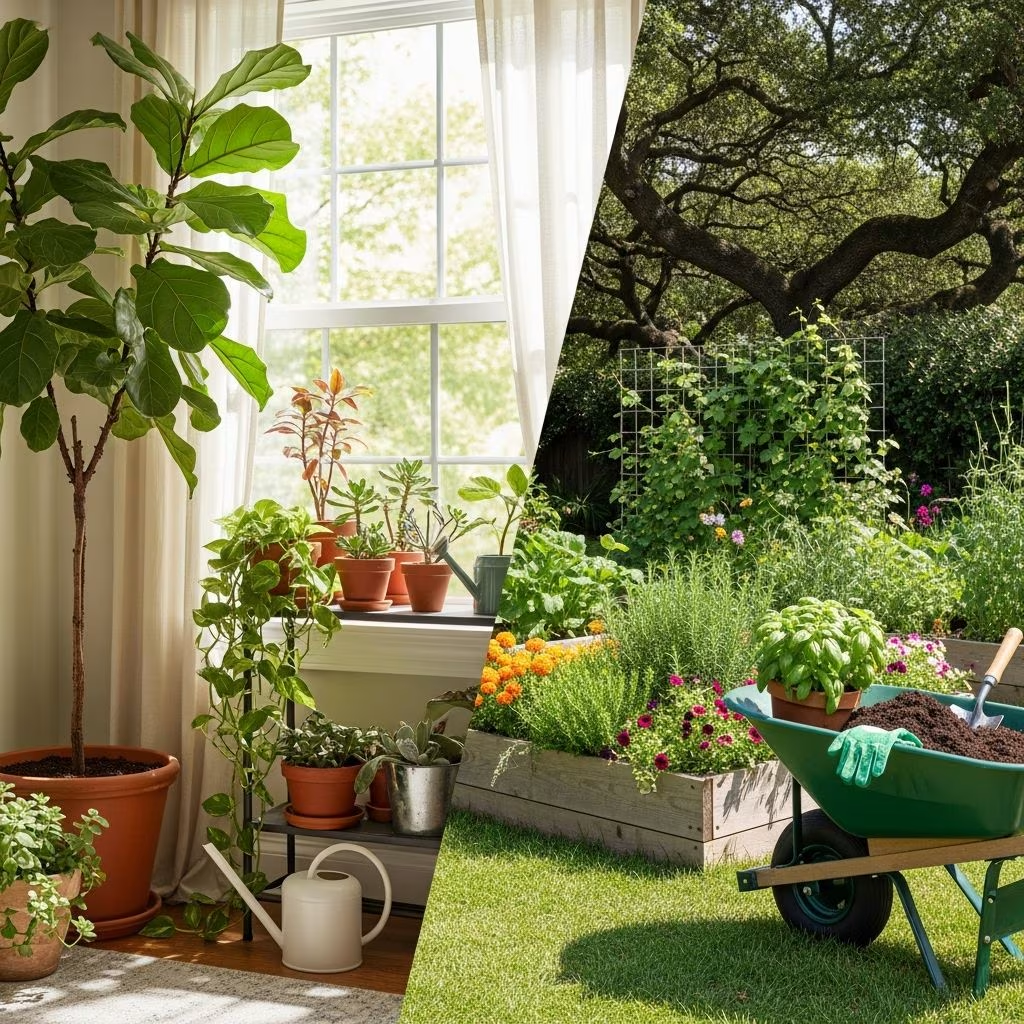
Bringing nature indoors and enhancing your outdoor spaces with greenery can transform your living environment, improve air quality, and boost curb appeal. However, purchasing plants can quickly strain your budget. Fortunately, there are numerous frugal strategies to acquire and maintain both indoor and outdoor greenery affordably. From propagation techniques to smart shopping, these methods allow you to expand your plant collection without overspending. This guide covers proven ways to save money while enjoying lush, vibrant spaces.
Start with Propagation for Free Plants
One of the most effective ways to save on greenery is through propagation, where you grow new plants from cuttings, divisions, or seeds of existing ones. This method provides endless plants at virtually no cost once you have a mother plant. For indoor plants like pothos, spider plants, and philodendrons, take stem cuttings and root them in water or soil. These resilient varieties thrive in standard household conditions and multiply quickly.
Outdoor plants such as hostas, daylilies, and sedums are ideal for division. In early spring or fall, dig up clumps, separate them with a sharp knife, and replant. This not only saves money but also rejuvenates mature plants. Succulents and herbs like mint or oregano propagate easily from leaves or stems placed on moist soil. According to extension services, propagated plants establish faster in local conditions, reducing long-term care costs.
- Water propagation: Ideal for indoor vines; change water weekly to prevent rot.
- Soil propagation: Use well-draining mix for succulents; cover with plastic for humidity.
- Division: Best for perennials; ensures mature root systems for quicker growth.
With patience, a single $5 plant can yield dozens over time, slashing expenses dramatically.
Shop Smart: Sales, Discounts, and End-of-Season Deals
Timing your purchases around sales and clearances maximizes savings. Garden centers discount remaining stock at season’s end—late summer for annuals, fall for perennials—to clear inventory. Visit nurseries in early spring for small starter plants at reduced prices, which grow rapidly.
Join local plant swaps or Facebook groups where enthusiasts trade cuttings and divisions for free. Farmers’ markets often have affordable, locally grown options. For indoors, big-box stores like home improvement chains offer houseplants at low prices during promotions. Measure your space beforehand to avoid impulse buys.
| Shopping Tip | Potential Savings | Best Time |
|---|---|---|
| End-of-season clearance | 50-75% off | Fall/Spring |
| Plant swaps | 100% (free) | Anytime via groups |
| Small pots/starters | 30-50% less than mature | Early season |
These strategies ensure you get healthy plants without premium prices.
Choose Low-Maintenance and Native Plants
Opt for native and drought-tolerant plants to minimize water, fertilizer, and upkeep costs. Native species are adapted to your region’s climate, soil, and pests, thriving with less intervention. For outdoors, select plants like black-eyed Susans, coneflowers, or switchgrass, which support pollinators and reduce bills.
Indoors, low-light tolerant options such as snake plants, ZZ plants, and peace lilies require minimal watering and care. Colorado State University Extension emphasizes that drought-tolerant choices cut water use by up to 50% and lower maintenance. Ground covers like creeping phlox prevent weeds, saving on mulch and labor.
- Native shrubs: Reduce watering needs and attract wildlife.
- Ornamental grasses: Low pruning, high aesthetic value.
- Indoor air-purifiers: Ferns and lilies filter toxins naturally.
Grow from Seeds and Take Cuttings
Starting from seeds is incredibly cost-effective for both edibles and ornamentals. Seed packets cost under $3 and produce hundreds of plants. Vegetables like tomatoes, lettuce, and herbs are straightforward indoors under grow lights or on windowsills. Outdoors, direct-sow annuals like zinnias or cosmos in prepared beds.
Cuttings from friends’ gardens or your own provide instant starters. Root roses, hydrangeas, or lavender in hormone powder for success rates over 80%. This bypasses nursery markups entirely.
Indoor Plants: Air Quality and Utility Savings
Houseplants offer dual benefits: beauty and functionality. NASA studies highlight plants like chrysanthemums, orchids, and ferns that filter VOCs, improving air quality without devices. They boost humidity naturally, eliminating humidifier costs and electricity—add one large plant per 100 square feet.
In summer, evaporative cooling from plants reduces AC reliance, lowering bills. Offices with greenery appear more professional, potentially aiding business. Affordable options abound: peace lilies ($10) purify while blooming indoors.
Outdoor Greenery: Landscaping on a Budget
For outdoor spaces, plan small projects first: a container garden or flower bed. Use smaller container plants—they cost less, establish well, and grow into full size. Native and low-water trees/shrubs cut irrigation needs long-term.
Companion planting deters pests naturally, avoiding chemicals. Compost kitchen scraps for free fertilizer, enhancing soil without purchases.
Watering and Maintenance Hacks
Efficient watering prevents waste. Use buckets or drip systems instead of hoses. Mulch retains moisture, suppressing weeds. For indoors, group plants to create a micro-humid zone.
DIY pots from recycled containers save on accessories. Vertical gardens maximize space affordably.
Frequently Asked Questions (FAQs)
Q: How many houseplants do I need for better air quality?
A: Experts recommend 3-4 plants per person or one large plant per 100 sq ft to improve indoor air.
Q: Are native plants really cheaper long-term?
A: Yes, they require less water, fertilizer, and pest control, saving 30-50% on maintenance.
Q: Can I propagate expensive plants like orchids?
A: Orchids propagate via keiki pups or division; success takes practice but yields free multiples.
Q: What’s the best time to buy outdoor plants?
A: End-of-season clearances in fall offer 50-75% discounts on healthy stock.
Q: Do indoor plants save on energy bills?
A: They increase humidity and provide cooling, reducing humidifier and AC use.
Conclusion
Implementing these strategies—propagation, smart shopping, natives, seeds, and efficient care—lets you save big on indoor and outdoor greenery. Transform your spaces cost-effectively for lasting beauty and benefits.
References
- 6 Surprising Ways a Houseplant Can Save You Money — Wise Bread. Accessed 2026. https://www.wisebread.com/6-surprising-ways-a-houseplant-can-save-you-money
- How to buy cheaper plants (and other ways to save money!) — CSU Extension (YouTube). 2024-01-25. https://www.youtube.com/watch?v=e9EmtC4P39Y
- 6 Practical Tips to Save Money on Plants for Your Garden — Gardenary. Accessed 2026. https://www.gardenary.com/blog/6-practical-tips-to-save-money-on-plants-for-your-garden
- How Many Will Lose Money on Those “Frugal” Gardens This Year? — Wise Bread. Accessed 2026. https://www.wisebread.com/how-many-will-lose-money-on-those-frugal-gardens-this-year
- Green Living | Wise Bread — Wise Bread. Accessed 2026. https://www.wisebread.com/topic/frugal-living/green-living
This article is general information, not personal financial advice. Consider your own situation, or speak with a licensed adviser, before acting on it.


