

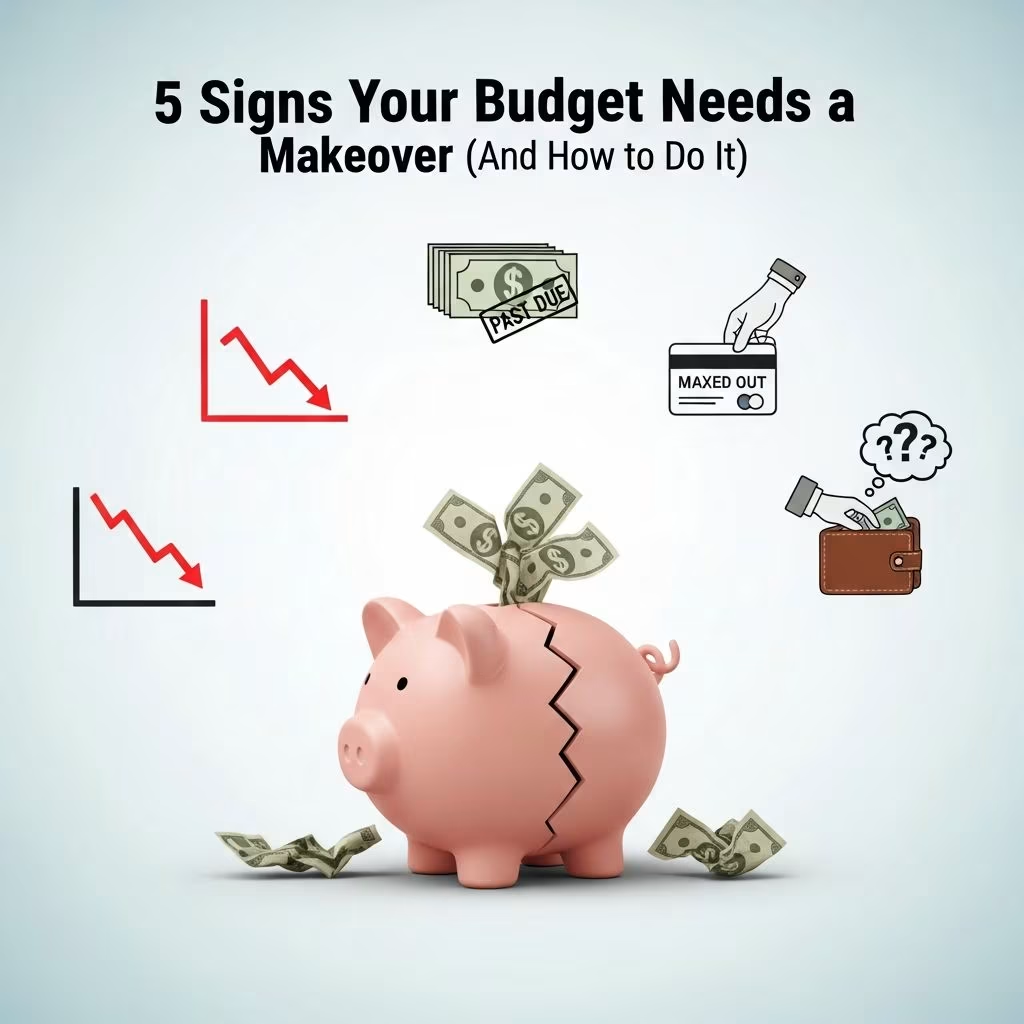
Your budget is the foundation of your financial health, but like any tool, it can wear out or become ineffective over time. When money feels tight despite steady income, or when bills pile up unexpectedly, it might be time for a refresh. This article explores five clear signs that your budget is due for a makeover and provides step-by-step guidance on how to revive it. By recognizing these red flags early, you can regain control, reduce stress, and build wealth.
Sign #1: You’re Living Paycheck to Paycheck
The most common indicator that your budget needs work is living paycheck to paycheck. This means every dollar earned is spent before the next payday arrives, leaving no room for emergencies or savings. According to data from the Federal Reserve, nearly 40% of Americans couldn’t cover a $400 unexpected expense with cash on hand, highlighting how widespread this issue is.
This cycle often stems from overspending on non-essentials, underestimating fixed costs, or failing to track income versus outflows. Without a buffer, one minor setback—like car repairs—can derail your finances.
How to Fix It
- Track Your Spending Ruthlessly: For 30 days, log every expense using apps like Mint or a simple spreadsheet. Categorize into needs (rent, groceries) and wants (dining out, subscriptions).
- Build an Emergency Fund: Aim for $1,000 initially, then three to six months of expenses. Automate transfers to a high-yield savings account right after payday.
- Adopt the 50/30/20 Rule: Allocate 50% to necessities, 30% to wants, and 20% to savings/debt repayment. Adjust as needed for your situation.
Implementing these changes can break the cycle within months, creating breathing room in your budget.
Sign #2: Credit Card Balances Are Climbing
If your credit card balances are rising month over month, your budget isn’t keeping pace with your spending. Minimum payments become a band-aid, accruing interest that compounds the problem. The average U.S. household credit card debt exceeds $6,000, per recent Consumer Financial Protection Bureau reports, trapping many in a debt spiral.
This sign often appears when lifestyle inflation outpaces income growth, or impulse buys fill emotional voids.
How to Fix It
| Strategy | Action Steps | Expected Outcome |
|---|---|---|
| Debt Snowball Method | List debts smallest to largest; pay minimums on all but attack the smallest aggressively. | Momentum from quick wins motivates continued effort. |
| Balance Transfer | Move to a 0% APR card for 12-18 months; avoid new charges. | Saves hundreds in interest. |
| Cut Up Cards Temporarily | Switch to cash/debit for daily spends; freeze cards in ice for big purchases. | Breaks spending habits instantly. |
Combine these with a “no-buy” month for non-essentials to accelerate progress. Monitor via free credit reports from AnnualCreditReport.com.
Sign #3: No Savings or Investments in Sight
A budget without dedicated savings or investment allocations signals short-term thinking. If your statements show zero progress toward retirement, vacations, or goals, it’s failing its purpose. The Bureau of Labor Statistics notes that personal savings rates in the U.S. hover around 4-5%, far below recommended levels.
This often results from prioritizing consumption over future security.
How to Fix It
- Automate Savings: Set up payroll deductions for 401(k)s or IRAs—many employers match contributions, free money!
- Prioritize Goals: Use sinking funds: Divide targets (e.g., $5,000 vacation) by months remaining and save that amount monthly.
- Invest Wisely: Start with low-cost index funds via Vanguard or Fidelity. Compound interest turns small sums into substantial growth over time.
Visualize progress with apps like YNAB (You Need A Budget) to stay motivated.
Sign #4: Unexpected Expenses Derail Everything
Regular surprises like medical bills or home repairs throwing off your plan indicate inadequate categorization and forecasting. A solid budget anticipates variability, not just fixed costs.
How to Fix It
- Create Buffer Categories: Allocate 5-10% to ‘miscellaneous’ or specific sinking funds (car maintenance, gifts).
- Review Monthly: At month-end, analyze variances and adjust next period’s plan.
- Build Insurance Coverage: Shop for better rates on auto, health, and renters insurance to minimize out-of-pocket hits.
This proactive approach turns chaos into control.
Sign #5: You’re Stressed About Money Constantly
Chronic financial anxiety is the ultimate sign your budget isn’t working. It affects sleep, relationships, and health. Surveys from the American Psychological Association link money stress to higher cortisol levels and poorer well-being.
How to Fix It
- Mindful Spending: Before purchases, ask: ‘Does this align with my values and goals?’
- Weekly Money Dates: Review finances with a partner to align and reduce secrets.
- Seek Community: Join forums like Reddit’s r/personalfinance for support and tips.
A budget should empower, not oppress—revamp it to restore peace.
Tools and Apps for Your Budget Makeover
Leverage technology:
- YNAB: Zero-based budgeting; teaches every dollar a job.
- PocketGuard: Tracks bills and subscriptions automatically.
- Goodbudget: Envelope system digitally.
Choose one and commit for 90 days.
Frequently Asked Questions (FAQs)
Q: How long does a budget makeover take?
A: Noticeable improvements in 1-3 months; full transformation in 6-12 months with consistency.
Q: What if my income is too low?
A: Focus on reducing outflows first—increase savings rate by cutting wants, then seek side income.
Q: Can I still enjoy life on a tight budget?
A: Yes! Prioritize free/low-cost joys like parks, libraries, and home cooking over retail therapy.
Q: How do I handle variable income?
A: Budget based on lowest expected earnings; treat extras as bonuses for debt/savings.
Q: What’s the best first step?
A: Track spending for one month—no judgments, just data.
Final Thoughts on Sustaining Your New Budget
A budget makeover isn’t one-and-done; review quarterly and adjust for life changes like raises or kids. Celebrate milestones to stay engaged. With discipline, you’ll move from surviving to thriving financially. Start today—your future self will thank you.
References
- Report on the Economic Well-Being of U.S. Households — Federal Reserve Board. 2023-05-01. https://www.federalreserve.gov/publications/2023-economic-well-being-of-us-households-in-2022-executive-summary.htm
- Consumer Credit – G.19 — Consumer Financial Protection Bureau. 2024-10-07. https://www.federalreserve.gov/releases/g19/current/
- Personal Savings Rate — U.S. Bureau of Labor Statistics. 2024-11-01. https://fred.stlouisfed.org/series/PSAVERT
- Stress in America: Money Stress Weighs Heavily — American Psychological Association. 2023-10-24. https://www.apa.org/news/press/releases/stress/2023/money-stress-report
- Annual Credit Report Reference Guide — Consumer Financial Protection Bureau. 2024-09-15. https://www.consumerfinance.gov/consumer-tools/credit-reports-and-scores/
This article is general information, not personal financial advice. Consider your own situation, or speak with a licensed adviser, before acting on it.


