

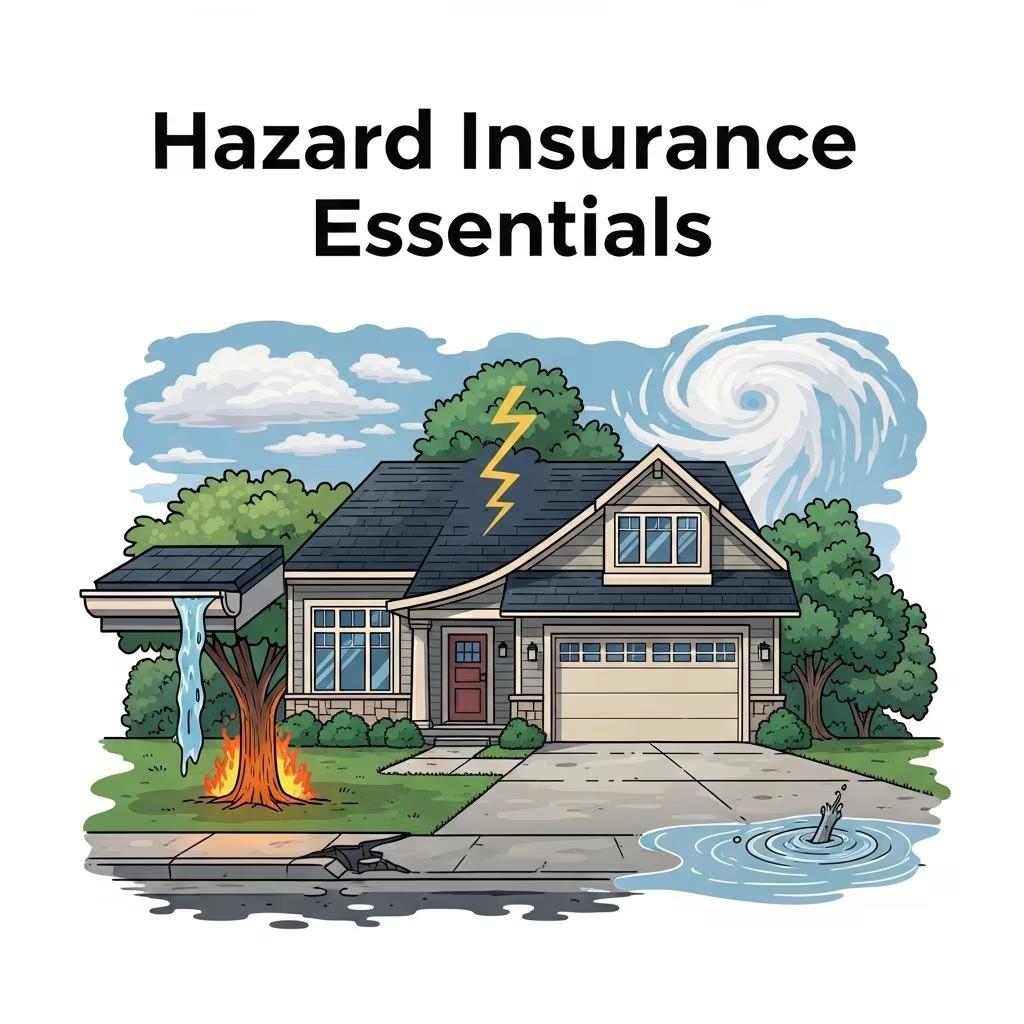
Hazard insurance forms a vital layer of protection within standard homeowners policies, focusing on the physical integrity of your residence against named risks. Primarily termed by lenders, it ensures the dwelling withstands events like storms or fires without derailing financial stability.
Defining Hazard Insurance in Modern Homeownership
This coverage targets the home’s structure—encompassing walls, roof, foundation, and built-in features—shielding against perils outlined in the policy. Unlike broader protections, it prioritizes rebuilding costs post-disaster, averting massive out-of-pocket expenses that could reach hundreds of thousands for a single incident.
Lenders mandate it across FHA, VA, and conventional loans to preserve collateral value, often escrowing premiums with monthly payments. Homeowners without mortgages benefit similarly, as it underpins financial resilience against unpredictable damages.
Key Perils Covered by Hazard Policies
Standard policies list specific “named perils,” activating payouts only for those events. Common inclusions feature:
- Fire and smoke damage: Critical for rapid-spreading blazes that compromise structural safety.
- Wind, hail, and storms: Protection against roof tears or siding impacts from severe weather.
- Lightning strikes and explosions: Coverage for sudden electrical or gas-related destructions.
- Vandalism and theft: Safeguards structural harm from break-ins or deliberate destruction.
- Weight of ice, snow, or sleet: Addresses collapse risks in colder climates.
- Water from appliances or pipes: Limited to sudden bursts, excluding gradual leaks.
- Falling objects or civil unrest: Includes debris or riot-induced structural harm.
Policies operate on either named-peril (explicit lists) or open-peril (all except exclusions) bases. Review declarations to confirm scope, as regional risks influence standard inclusions.
How Claims Process Unfolds for Hazard Damage
Post-event, file promptly: document damages via photos, notify insurer, and await adjuster inspection. They estimate repair or replacement costs minus your deductible—typically $1,000 to $5,000—then issue payment if covered.
Outbuildings like garages qualify if policy extends coverage. Limits cap payouts, potentially requiring supplemental funds for total losses. Actual cash value (depreciated) versus replacement cost (full new price) options affect settlements; opt for replacement where feasible.
Distinguishing Hazard from Comprehensive Homeowners Coverage
| Aspect | Hazard Insurance (Dwelling) | Homeowners Insurance |
|---|---|---|
| Focus | Structure only (roof, walls, foundation) | Structure + contents + liability |
| Typical Perils | Fire, wind, hail, vandalism | Same + personal theft, lawsuits |
| Mortgage Req. | Mandatory component | Full policy often required |
| Exclusions | Floods, earthquakes standard | Same; adds some contents exclusions |
Hazard insurance equates to dwelling coverage A, while full policies layer personal property (B), liability (C), and loss of use (D). Lenders reference “hazard” to spotlight structural priority.
Lender Requirements and Escrow Mechanics
Mortgage providers demand proof at closing, verifying coverage matches loan amount via replacement cost estimates. Premiums escrow into monthly payments, disbursed annually to insurers.
Failure to maintain triggers force-placed insurance—costlier and lender-benefiting only. Renewals auto-extend, but shop annually for competitive rates tied to credit, location, and construction.
Uncovered Risks and Supplemental Protections
Standard exclusions demand separate policies:
- Floods: Via National Flood Insurance Program for high-risk zones.
- Earthquakes: Specialized endorsements or standalone from providers like CEA in California.
- Landslides or sinkholes: Rare riders needed.
- Wear/tear or poor maintenance: Never covered; proactive upkeep essential.
High-value homes may warrant extended replacement cost for inflation-adjusted rebuilds.
Cost Factors Influencing Premiums
Average annual costs hover $1,200-$2,000 nationally, varying by:
- Location (hurricane vs. tornado zones).
- Home value and build materials.
- Deductible choice (higher lowers premiums).
- Claims history and credit score.
- Discounts for alarms, new roofs, or bundling.
Quote multiple insurers; tools from CFPB aid comparisons.
Strategies to Optimize Your Coverage
1. Assess replacement cost accurately via professional appraisals.
2. Elevate deductibles if cash reserves allow.
3. Install mitigation features: storm shutters, security systems.
4. Review post-purchase or renovation.
5. Consult independents beyond lender suggestions.
Frequently Asked Questions
What exactly triggers hazard insurance payout?
Only named perils damaging the structure; floods/earthquakes excluded unless added.
Can renters or paid-off homes skip it?
No lender for renters, but owners risk total loss exposure without.
How does it handle total destruction?
Pays up to policy limit for rebuild, potentially cash settlement on total loss.
Is it cheaper standalone?
Rarely offered alone; bundled in homeowners for comprehensive value.
What if damage partially from excluded peril?
Proximate cause rules apply; e.g., flood-ignited fire may cover fire portion.
Real-World Scenarios Illustrating Protection
In a Midwest hailstorm, policies covered $50,000 roof replacement minus $2,500 deductible. Coastal wind events rebuilt foundations post-hurricane. Vandalism claims funded wall repairs after break-ins, underscoring everyday utility.
Proactive policy audits prevent gaps; annual reviews align with life changes like additions or re-roofing.
References
- What Is Hazard Insurance — And Why Every Homeowner Needs It — Alcova. 2024. https://alcova.com/hazard-insurance-why-you-need-it/
- What Is Hazard Insurance? What Homeowners Should Know — PNC Bank. 2024. https://www.pnc.com/insights/personal-finance/borrow/what-is-hazard-insurance.html
- What is home hazard insurance? — Liberty Mutual Insurance. 2024. https://www.libertymutual.com/insurance-resources/property/what-is-home-hazard-insurance
- Home hazard insurance: A critical part of your homeowners’ policy — Higginbotham. 2024. https://www.higginbotham.com/blog/home-hazard-insurance/
- Hazard Insurance For Homes — GEICO. 2024. https://www.geico.com/homeowners-insurance/hazard-insurance/
- What Is Hazard Insurance for Homeowners? — Allstate Insurance. 2024-05-01. https://www.allstate.com/resources/home-insurance/hazard-insurance
This article is general information, not personal financial advice. Consider your own situation, or speak with a licensed adviser, before acting on it.


