

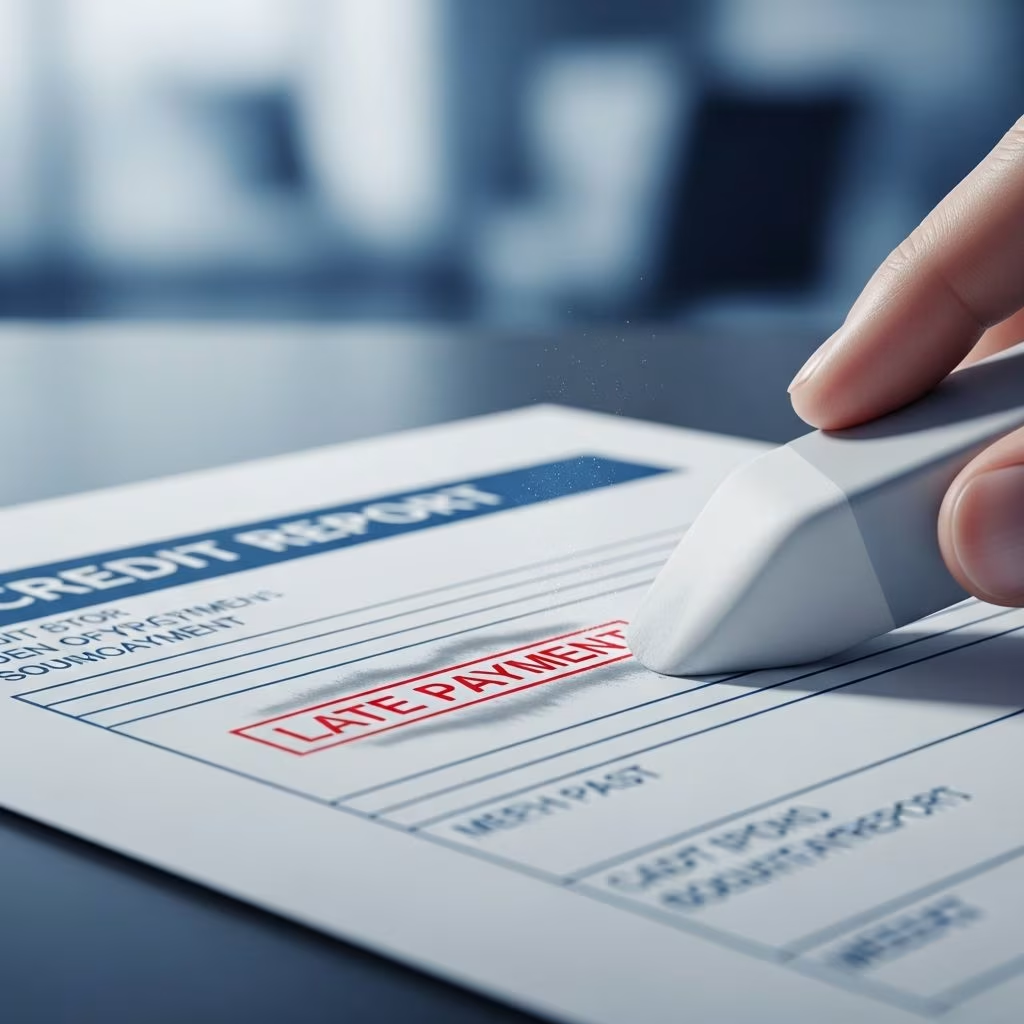
Late payments can significantly harm your credit score and linger on your credit report for up to seven years, but several strategies exist to address them if they are inaccurate or eligible for removal. This guide outlines practical steps to identify, challenge, and potentially eliminate these marks using official processes from credit bureaus and creditors.
Understanding the Impact of Late Payments
A **late payment** occurs when you miss the due date on a credit account, such as a credit card or loan. Creditors typically report these to major bureaus—Equifax, Experian, and TransUnion—after 30 days past due, triggering a drop in your credit score. The severity depends on how late the payment is: 30 days late might deduct 60-110 points, while 90+ days can cause even greater damage.
These notations influence 35% of your FICO score via payment history, the largest factor. Over time, their effect diminishes as you add positive accounts, but immediate removal is ideal for loan approvals or lower interest rates. Payments under 30 days late often go unreported, giving a grace period to act quickly.
Step-by-Step Guide to Checking Your Credit Report
Before any removal attempt, obtain your free annual credit reports from AnnualCreditReport.com to scrutinize entries. Review all three bureaus separately, as discrepancies can occur.
- Request reports: Access Equifax, Experian, and TransUnion reports weekly via official sites or apps like Chase Credit Journey for monitoring.
- Examine accounts: Note dates of delinquency—the first missed payment—which starts the seven-year clock.
- Match records: Cross-reference with bank statements, payment confirmations, or creditor portals to spot mismatches.
If everything aligns, the late payment is accurate and harder to remove; otherwise, proceed to disputes.
Disputing Inaccurate Late Payments Effectively
The most reliable method for removal targets errors, as bureaus must investigate under the Fair Credit Reporting Act (FCRA). Creditors have 30 days to verify; failure leads to automatic deletion.
- Gather evidence: Collect receipts, emails, or screenshots proving timely payment.
- Contact creditor first: Call or write explaining the issue; they update bureaus if agreeing it’s wrong.
- File online disputes: Use bureau portals (Equifax.com/dispute, Experian.com/dispute, TransUnion.com/dispute) with details and attachments.
- Follow up: Track via certified mail or portal; recheck reports post-resolution.
Success rates are high for clear errors, often restoring your score within weeks.
Requesting Goodwill Adjustments from Creditors
For legitimate one-time lates due to hardships like illness or job loss, a **goodwill letter** politely requests removal as a courtesy. This works best with long-term customers showing otherwise perfect history.
Key elements of a goodwill letter:
| Component | Description |
|---|---|
| Header | Your contact info, date, creditor address. |
| Introduction | Account number, late payment date, polite acknowledgment. |
| Explanation | Brief reason (e.g., medical emergency), no excuses. |
| Positive history | Highlight on-time payments and loyalty. |
| Request | Ask for removal; express future commitment. |
| Closing | Thank them, provide contact info. |
Send via certified mail. While not guaranteed—creditors must report accurately—many grant for valued clients.
Exploring Pay-for-Delete Negotiations
If the account has an outstanding balance, propose paying in full for deletion of the late mark. Debt collectors may agree, but major creditors rarely do due to policies.
- Get it in writing: Secure agreement before paying.
- Target collections: More open to this than original lenders.
- Caveats: Bureaus frown on removing accurate data; not always honored.
Use for unresolved debts, but prioritize disputes for reported lates.
The Seven-Year Rule and Automatic Removal
FCRA mandates late payments drop off after seven years from delinquency date, plus 180 days for collections. No action needed—they vanish automatically, though impact fades earlier.
Timeline breakdown:
- 0-30 days: Often not reported.
- 30-7 years: Visible, score impact peaks early.
- After 7 years: Deleted.
Dispute aged entries if lingering erroneously.
Rebuilding Credit After Late Payments
While pursuing removal, build positive history:
- Automate payments: Avoid future lates.
- Lower utilization: Keep balances under 30%.
- Add positive accounts: Secured cards or credit-builder loans.
- Monitor scores: Free tools track progress.
Scores recover in 6-12 months with consistent habits.
Frequently Asked Questions (FAQs)
Can I remove a late payment immediately?
Only if inaccurate via dispute; accurate ones require goodwill or time.
How long do late payments stay on my report?
Up to seven years from first delinquency.
Will one late payment ruin my credit forever?
No, impact lessens over time with positive behavior.
Do all bureaus show the same late payments?
Not always; check all three.
Is pay-for-delete legal?
Yes, but creditors aren’t obligated, and bureaus may reject.
Preventing Future Late Payments
Proactive steps ensure a clean report:
- Set calendar alerts and autopay.
- Track statements early.
- Maintain emergency funds for payments.
Consistent on-time payments are the foundation of excellent credit.
References
- Remove Late Payments From Your Credit Report — CRIF High Mark. 2023. https://www.crifhighmark.com/blog/remove-late-payments-from-your-credit-report
- How to Remove Late Payments From a Credit Report — Climb Credit. 2024. https://climbcredit.com/resources/finance-loans/how-to-remove-late-payment-from-credit-report/
- How To Remove Late Payments From Your Credit Report — Credit Karma. 2025-01-15. https://www.creditkarma.com/credit/i/how-to-remove-late-payments
- Can a Late Payment Be Removed from My Credit Report? — Chase. 2025. https://www.chase.com/personal/credit-cards/education/credit-score/can-a-late-payment-be-removed-from-my-credit-report
- Can You Remove Late Payments from Your Credit Reports? — Equifax. 2024-06-10. https://www.equifax.com/personal/education/credit/report/articles/-/learn/remove-late-payments-credit-report/
- Goodwill Letters to Creditors: Do They Work? — Bankrate. 2025-02-01. https://www.bankrate.com/personal-finance/credit/goodwill-letters-get-late-payments-removed-credit-report/
This article is general information, not personal financial advice. Consider your own situation, or speak with a licensed adviser, before acting on it.


