

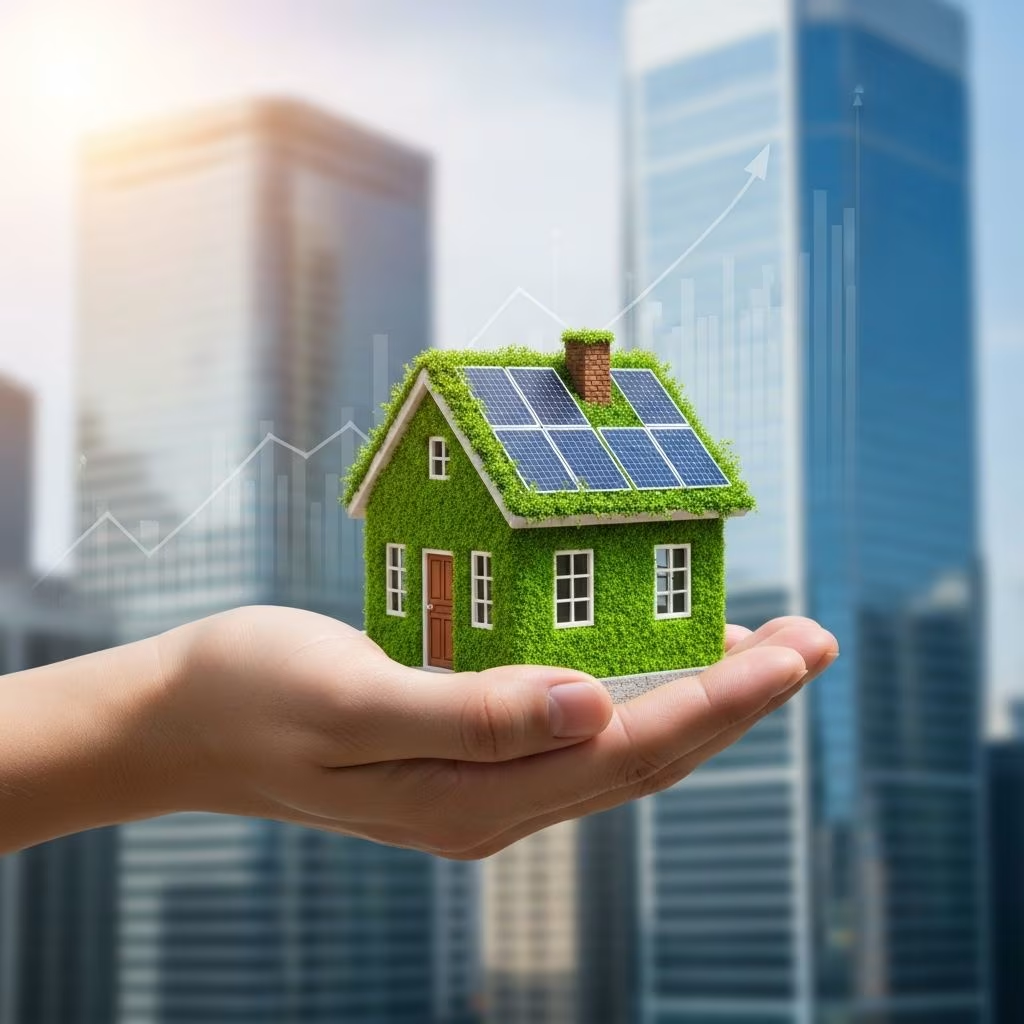
Energy-efficient mortgages, often called green mortgages or EEMs, represent a smart financing strategy for homeowners aiming to reduce energy use without separate loans. These specialized loans integrate the costs of sustainable upgrades directly into your primary mortgage, allowing projected utility savings to improve qualification terms.
Core Principles of Energy-Efficient Financing
At their foundation, EEMs enable borrowers to fund improvements like advanced insulation, high-efficiency HVAC systems, or renewable energy installations as part of buying or refinancing a property. Lenders evaluate anticipated reductions in energy expenses, which can offset higher loan amounts by easing debt-to-income ratios.
This approach contrasts with traditional loans by prioritizing long-term savings over immediate cash outlays. Borrowers qualify for larger sums because lower bills effectively increase disposable income for mortgage payments.
Key Advantages for Modern Homeowners
Opting for an EEM delivers multifaceted returns. Primary benefits include:
- Drastic Utility Cost Reductions: Upgrades such as LED lighting, efficient appliances, and sealed ducts can slash monthly bills by hundreds of dollars annually.
- Boosted Property Appreciation: Energy-smart homes command premium prices, often 3-5% higher at resale due to buyer demand for low-maintenance features.
- Environmental Stewardship: Fewer energy demands mean reduced carbon footprints, aligning personal finances with planetary health.
- Superior Living Quality: Better air filtration and temperature control enhance comfort and respiratory health.
- Financial Payback: Initial investments recoup through savings, frequently within 5-10 years.
These perks extend to resilience against rising energy prices and extreme weather, safeguarding long-term equity.
Available Programs and Lender Options
Several government-backed and conventional pathways make EEMs accessible. Here’s a breakdown:
| Program | Key Features | Max Add-On Amount | Eligibility Notes |
|---|---|---|---|
| FHA EEM | Insures loans for purchases/refinances with efficiency upgrades | $8,000 or 5% of loan | Principal residences; energy audit required |
| Fannie Mae HomeStyle Energy | Finances solar, geothermal; pays off energy debt | Varies by loan | Conventional loans; HERS rating needed |
| VA Energy Efficient Mortgage | For veterans; bundles upgrades into VA loan | $6,000 or 10% of loan | VA-eligible borrowers |
| USDA EEM | Rural focus; efficiency improvements | $2,000-$8,000 | Rural properties |
Conventional EEMs through private lenders offer flexibility, often pairing with ENERGY STAR certifications for pre-efficient homes.
Step-by-Step Qualification Journey
Securing an EEM demands preparation. Follow this process:
- Pre-Assessment: Engage a certified Home Energy Rater (HERS professional) for a baseline audit identifying viable upgrades.
- Upgrade Planning: Select cost-effective options where savings exceed costs over the improvement’s life.
- Lender Application: Submit audit report; lender recalculates qualifications using projected savings.
- Loan Approval: Funds allocated for upgrades; work must commence within months.
- Post-Completion Verification: Final inspection confirms installations meet standards.
Not all enhancements qualify—luxury items or non-cost-effective ones like certain decorative solar features are excluded. Combine with FHA 203(k) for broader rehab coverage.
Real-World Upgrade Examples
Common financed projects yield tangible results:
- Insulation and Sealing: Attic and wall upgrades prevent 20-30% heat loss.
- HVAC Modernization: High-SEER units cut cooling costs by 40%.
- Windows and Doors: Double-pane, low-E glass reduces heating needs.
- Renewables: Solar panels or geothermal via specific programs.
- Appliances: ENERGY STAR models for kitchens and laundry.
A HERS rating score under 70 indicates superior efficiency, often required for optimal terms.
Potential Drawbacks and Mitigation
While advantageous, EEMs have hurdles:
| Challenge | Impact | Solution |
|---|---|---|
| Complex Underwriting | Extended timelines | Choose experienced lenders |
| Limited Eligibility | Fewer options | Pair with standard loans |
| Upfront Audit Fees | $300-$600 cost | Offset by savings |
| Loan Size Increase | Higher interest | Long-term ROI justifies |
Weigh these against benefits; most borrowers find net positives.
Incentives Amplifying Savings
Federal tax credits like the Inflation Reduction Act’s 30% solar rebate stack with EEMs. State rebates and PACE financing payoffs further enhance viability.
Is an EEM Right for Your Goals?
Candidates include new buyers targeting efficient properties, refinancers upgrading older homes, or eco-conscious owners. Calculate potential savings via online tools or raters to confirm fit.
Frequently Asked Questions
What exactly qualifies as a cost-effective upgrade?
Improvements where lifetime energy savings meet or exceed installation costs, verified by a HERS rater.
Can I use an EEM for any home type?
Primarily owner-occupied; some programs limit to single-family.
How much can I borrow extra for upgrades?
Varies: FHA up to 5%, VA 10%, with caps like $8,000.
Do all lenders offer EEMs?
No, seek those partnered with Fannie Mae, FHA, or VA.
What’s the environmental impact?
Significant CO2 reductions per upgraded home, supporting national sustainability targets.
Future Trends in Green Home Financing
As climate priorities rise, EEM adoption grows with expanded incentives and tech like smart grids. By 2030, efficient homes may dominate markets, driven by policy and consumer shifts.
Embracing an EEM positions you at the forefront of sustainable living, merging fiscal prudence with ecological responsibility.
References
- What Is an Energy-Efficient Mortgage (EEM)? — CrossCountry Mortgage. 2025. https://crosscountrymortgage.com/mortgage/resources/what-is-energy-efficient-mortgage-eem/
- Energy Efficient Mortgages — ENERGY STAR (epa.gov). Accessed 2026. https://www.energystar.gov/newhomes/energy-efficient-mortgages
- What is an energy-efficient mortgage (EEM)? — Bankrate. 2025. https://www.bankrate.com/mortgages/energy-efficient-mortgage/
- Energy Efficient Mortgage: Definition & Benefits Explained — USLegalForms. Accessed 2026. https://legal-resources.uslegalforms.com/e/energy-efficient-mortgage
- Understanding energy-efficient mortgages — Rocket Mortgage. 2025-09-06. https://www.rocketmortgage.com/learn/energy-efficient-mortgage
- Energy Efficient Mortgages: Increase Your Property’s Value — Leyton. Accessed 2026. https://leyton.com/us/insights/articles/energy-efficient-mortgages-increase-your-propertys-value/
This article is general information, not personal financial advice. Consider your own situation, or speak with a licensed adviser, before acting on it.


