

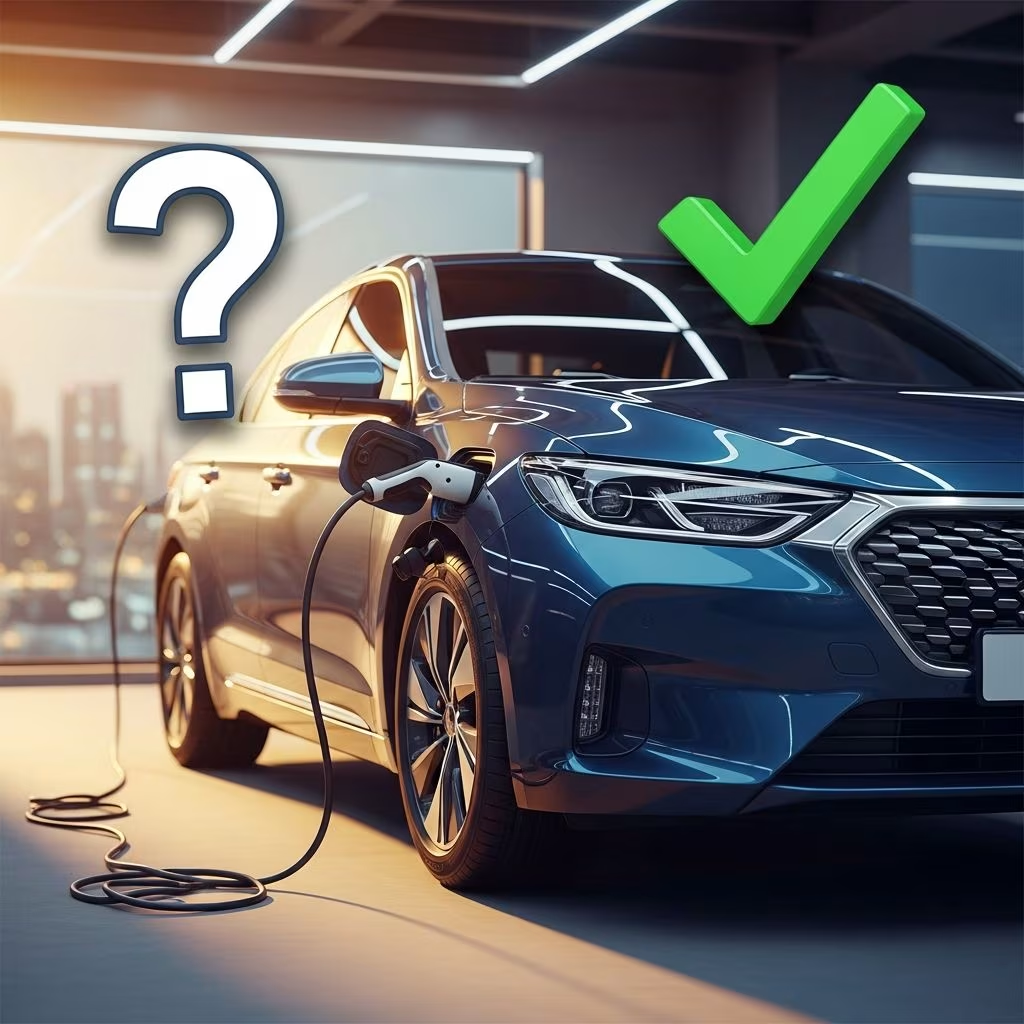
Plug-in hybrid electric vehicles (PHEVs) blend gasoline engines with larger rechargeable batteries, offering electric-only driving for short trips and gas backup for longer ones. These vehicles appeal to drivers seeking lower emissions and fuel costs without fully committing to an electric vehicle (EV).
How Plug-In Hybrids Work: Powering Your Drive
PHEVs feature a gasoline engine paired with an electric motor powered by a battery pack typically 10-20 kWh in size, far larger than standard hybrids’ 1 kWh reserves. When charged, the electric motor propels the vehicle independently for 15-40 miles, depending on the model, battery capacity, and conditions like temperature or speed. Once depleted, the system switches to hybrid mode, blending gas and electricity via regenerative braking, which captures energy during stops to recharge the small reserve battery.
This dual setup provides flexibility: charge at home for daily commutes on electricity alone (zero tailpipe emissions), then rely on gas for highways. Unlike full EVs, no range anxiety plagues long drives, as the gas tank extends total range to 300-600 miles.
Key Advantages of Choosing a PHEV
PHEVs shine in specific scenarios, delivering tangible benefits over traditional gas cars.
- Superior Fuel Economy: Electric mode yields the equivalent of 100+ MPGe (miles per gallon equivalent), slashing gas use for short drives. Frequent chargers might go days without refueling.
- Zero-Emissions Short Trips: Up to 40 miles on battery power means cleaner air for urban errands, school runs, or work commutes under that limit.
- Extended Total Range: Gas engine ensures 400+ miles per tank, ideal for road trips without public charger hunts.
- Regenerative Braking Efficiency: Both modes recapture braking energy, boosting overall MPG in city traffic.
- Incentives and Tax Credits: Federal rebates up to $7,500 (if eligible) offset higher prices, plus state perks in many areas.
Real-world example: A Toyota RAV4 Prime PHEV offers 42 miles electric range and 600-mile total, combining EV perks with SUV utility.
Drawbacks That Could Derail PHEV Ownership
Despite upsides, PHEVs aren’t perfect, with hurdles impacting value.
- Higher Purchase Price: PHEVs cost $5,000-$15,000 more than comparable hybrids due to bigger batteries and charging hardware.
- Charging Dependence: Skip plugging in, and efficiency drops to hybrid levels (often worse than standard hybrids by 4-10 MPG), negating savings.
- Limited Electric Range: 15-40 miles suits short drives but fails longer commutes; cold weather or highways cut this by 30-50%.
- Battery Maintenance Concerns: Lithium-ion packs are safe but require care; damage risks exist, though warranties (8-10 years) cover most.
- Added Weight and Complexity: Larger batteries increase curb weight, slightly hurting handling and unloaded MPG.
PHEV vs. Standard Hybrid: Side-by-Side Comparison
Standard hybrids (HEVs) self-charge via regen and gas engine, skipping plugs. Here’s how they stack up:
| Feature | Standard Hybrid (HEV) | Plug-In Hybrid (PHEV) |
|---|---|---|
| Charging | None required | Plug-in for full electric mode |
| Electric-Only Range | Minimal (1-2 miles) | 15-40 miles |
| Upfront Cost | Lower | Higher |
| Fuel Economy (Charged) | 40-50 MPG | 100+ MPGe electric |
| Uncharged Efficiency | Consistent | Hybrid-like, often lower |
| Best For | Long drives, no home charging | Short electric trips with charging access |
Data drawn from model comparisons; PHEVs excel when charged regularly, but HEVs win for simplicity.
Cost of Ownership: Crunching the Numbers
PHEV savings hinge on habits. Assume 12,000 miles/year, $3.50/gallon gas, $0.15/kWh electricity:
- Fuel Savings: 30-mile electric range covers 60% of drives: ~$800/year saved vs. gas car, $300 vs. hybrid (if charged daily).
- Break-Even Point: Extra $8,000 cost recouped in 5-8 years with consistent charging; longer without.
- Maintenance: Similar to hybrids (~$500/year), but battery warranties mitigate replacement costs ($5,000-$10,000 post-warranty).
- Resale Value: Strong demand keeps values high, especially for popular models like Prius Prime.
Without home charging, annual fuel costs rise $150+ over hybrids.
Environmental Footprint: Greener Than Gas?
PHEVs cut CO2 by 30-50% vs. gas cars when charged often, thanks to grid-powered electric mode (cleaner in renewable-heavy areas). However, full gas operation mirrors hybrids. Lifecycle emissions (manufacturing included) are lower than gas but higher than EVs due to battery production.
Who Should Buy a PHEV? Lifestyle Fit Check
Ideal Buyers:
- Daily drives <30 miles with home/work charging.
- Multi-car households (one for long trips).
- Eco-conscious drivers valuing incentives.
Avoid If:
- No garage/plug access.
- Mostly highway/long commutes.
- Budget prioritizes lowest upfront cost.
Popular PHEV Models in 2026
Top picks include:
- Toyota Prius Prime: 44-mile range, 52 MPG hybrid mode.
- Hyundai Tucson PHEV: 33 miles electric, AWD option.
- Ford Escape PHEV: 37 miles, spacious SUV.
Frequently Asked Questions (FAQs)
Do PHEVs need special charging equipment?
Level 1 (120V outlet) works but takes 8-10 hours; Level 2 (240V, $500 install) charges in 2-4 hours. Public stations compatible.
What’s the battery warranty?
Typically 8 years/100,000 miles, retaining 70% capacity.
Can I tow with a PHEV?
Many handle 1,500-3,500 lbs, but electric range drops when towing.
Are PHEVs eligible for tax credits?
Yes, up to $7,500 if under income/price caps; check IRS site.
Final Thoughts: Is a PHEV Right for You?
PHEVs bridge gas and electric worlds, rewarding disciplined chargers with savings and green creds. Mismatch your needs? Stick to hybrids. Test drive and calculate personal math before buying.
References
- Hybrids vs. Plug-in Hybrids: What Are the Differences in 2025? — Kelley Blue Book. 2025. https://www.kbb.com/car-advice/hybrid-vs-plug-in-hybrid-what-difference/
- Why a Plug-In Hybrid May Be the Right Car for You — Consumer Reports. 2023-10-01. https://www.consumerreports.org/cars/hybrids-evs/is-a-plug-in-hybrid-vehicle-right-for-you-a9339147016/
- Hybrids vs. Plug-In Hybrids: Pros and Cons — Car and Driver. 2019-10-01. https://www.caranddriver.com/features/a27127697/hybrid-vs-plug-in-hybrid/
- The Advantages and Disadvantages of Plug-In Hybrids & Electric Cars — Toyota of Clermont. 2023. https://www.toyotaofclermont.com/blogs/6088/the-advantages-and-disadvantages-of-plug-in-hybrids-electric-cars-which-green-car-is-for-you/
- Plug-In Hybrids – What Are They? Advantages & Disadvantages — YouTube (Automotive Channel). 2023. https://www.youtube.com/watch?v=oN5MDKVTa_0
This article is general information, not personal financial advice. Consider your own situation, or speak with a licensed adviser, before acting on it.


