

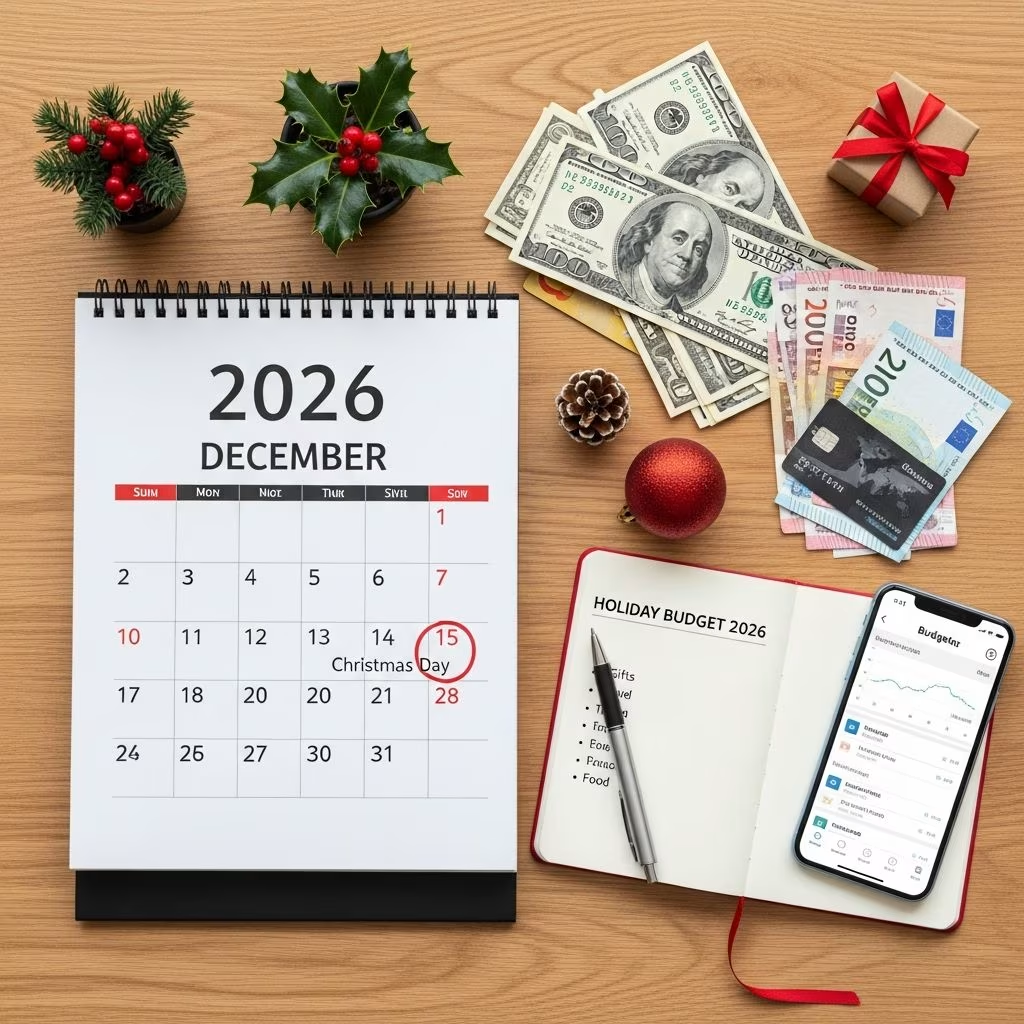
Holiday seasons bring joy, gatherings, and often unexpected financial strain. With thoughtful planning, you can allocate funds effectively across gifts, travel, meals, and more, ensuring celebrations align with your financial health. This guide outlines a step-by-step approach to crafting a sustainable holiday budget that prevents post-season regret.
Why Holiday Budgeting Matters Now More Than Ever
In 2026, rising costs for travel, food, and goods make proactive budgeting essential. Many households overspend by 20-30% during holidays due to impulse purchases and untracked expenses. A solid plan not only curbs this but also builds long-term savings habits, freeing up resources for other goals like emergencies or investments.
Start by assessing your overall financial picture: review income, fixed expenses, and existing savings. This foundation ensures your holiday allocations remain realistic and integrated with year-round finances.
Building the Foundation: Assess Your Financial Starting Point
Before diving into specifics, evaluate past patterns. Examine bank statements or app data from previous holidays to quantify actual spending. Common oversights include forgetting shipping fees or tips for service providers.
- Review historical data: Tally totals from last year across all categories to set informed baselines.
- Factor in current realities: Account for inflation, income changes, or new family members that could shift needs.
- Define non-negotiables: Prioritize must-haves like family travel before flexible items like elaborate decorations.
This assessment typically reveals opportunities to trim 10-15% without sacrificing joy, such as swapping high-cost gifts for experiences.
Key Categories to Include in Your Holiday Budget
A comprehensive budget covers all potential outflows. Break them into clear categories with allocated limits to maintain control.
| Category | Example Expenses | Sample Allocation (for $1,500 Total Budget) |
|---|---|---|
| Gifts | Presents for family, friends, coworkers | $800 (53%) |
| Travel | Gas, flights, lodging, tolls | $300 (20%) |
| Food & Meals | Groceries, dining out, hosting parties | $200 (13%) |
| Decor & Attire | Ornaments, outfits, wrapping supplies | $100 (7%) |
| Miscellaneous | Shipping, tips, charity, postage | $100 (7%) |
Adjust percentages based on your priorities. For instance, frequent travelers might boost that line to 25%. Use this table as a customizable template in a spreadsheet for real-time updates.
Step-by-Step Guide to Crafting Your Budget
Step 1: Set Total Spending Limits
Decide on an overall cap using the 50/30/20 rule adapted for holidays: 50% needs (travel, essentials), 30% wants (gifts, decor), 20% savings/debt reduction. For a $60,000 annual household income, aim for $1,000-$2,000 total holiday spend to stay under 3% of yearly earnings.
Step 2: List Recipients and Set Per-Person Caps
Draft a recipient roster, grouping by relationship tiers. Assign limits like $75 for close family, $30 for extended relatives, $20 for colleagues. This prevents ballooning lists and encourages draw-name games for larger groups.
Step 3: Create a Dedicated Holiday Savings Fund
Automate monthly transfers to a separate account starting now. For a $1,500 goal, save $125 monthly from February through December. High-yield savings accounts amplify this effort with minimal risk.
Enhance with the Four-Account System
Segment funds further: one for bills, one for goals (including holidays), one for fun spending, and a buffer. Direct deposits split automatically for discipline.
Step 4: Incorporate Meal and Event Planning
Outline menus early, shop sales, and batch-prepare dishes. A detailed list cuts grocery bills by 20-30% via coupons and bulk buys. Potlucks distribute costs among guests.
Practical Tools and Tactics to Stay on Track
Leverage technology and habits for enforcement.
- Cash or prepaid envelopes: Allocate physical cash per category; once depleted, spending stops.
- Tracking apps: Tools like YNAB or Mint categorize transactions live, alerting to overruns.
- Weekly reviews: Check progress every Sunday, adjusting as needed.
For visual trackers, use printable charts or mobile dashboards syncing with accounts.
Avoiding Common Pitfalls: Debt, Impulses, and Oversights
Debt from credit cards averages $1,000+ post-holidays with 20% interest. Counter with these defenses:
- Pause before buying: Ask if it fits your list and budget; sleep on non-essentials.
- Ignore ‘deals’: Discounts lure into unneeded purchases—stick to planned items.
- Plan for extras: Buffer 10% for surprises like gift shipping or tips.
- Post-holiday buffer: Reserve funds for January bills.
Creative Ways to Maximize Joy on a Budget
Shift from stuff to sentiment: homemade treats, shared experiences, or group gifts stretch dollars.
- DIY ornaments or baked goods for neighbors.
- Family game nights over pricey outings.
- Thrift or secondhand for unique finds.
- Charity drives combining giving with low-cost participation.
These foster memories outweighing material value, often at 50% less cost.
Long-Term Strategies for Annual Success
Make budgeting repeatable: post-season, analyze variances and refine for next year. Integrate holidays into reverse budgeting—fund savings first, then spend remains. Quarterly money check-ins keep alignment.
By 2027, habitual savers report 40% less stress and higher net worth growth.
Frequently Asked Questions
How much should I budget for holidays?
Aim for 1-3% of annual income, adjusted for family size and traditions. Start with last year’s spend as baseline.
What if I overspend early?
Reallocate from lower-priority categories or pause non-essentials. Use apps for instant visibility.
Can I use rewards points?
Yes, offset travel or gifts with miles, but don’t chase sign-ups solely for holidays.
How to involve family?
Share the list and caps collaboratively; suggest wishlists under limits.
What’s the best savings account for this?
High-yield online options with no fees, automating transfers monthly.
References
- Smart Holiday Spending Strategies to Avoid Financial Regret in 2026 — Private Tax Solutions. 2026. https://privatetaxsolutions.com/financial-planning/smart-holiday-spending-strategies-to-avoid-financial-regret-in-2026/
- Tips to Budget Effectively for the Holiday Season — American Bank USA. 2025. https://www.americanbankusa.com/education-center/tips-to-budget-effectively-for-the-holiday-season/
- How to Build a Holiday Budget That Works Every Year — NerdWallet. 2025. https://www.nerdwallet.com/finance/learn/how-to-build-a-holiday-budget-that-works-every-year
- 2026 Budget Reset: Fix Holiday Overspending Fast — WealthKeel. 2026. https://wealthkeel.com/blog/budget-reset-challenge/
- Budgeting for the Holidays — American Bankers Association. 2025. https://www.aba.com/advocacy/community-programs/consumer-resources/manage-your-money/holiday-budget-tips
This article is general information, not personal financial advice. Consider your own situation, or speak with a licensed adviser, before acting on it.


