

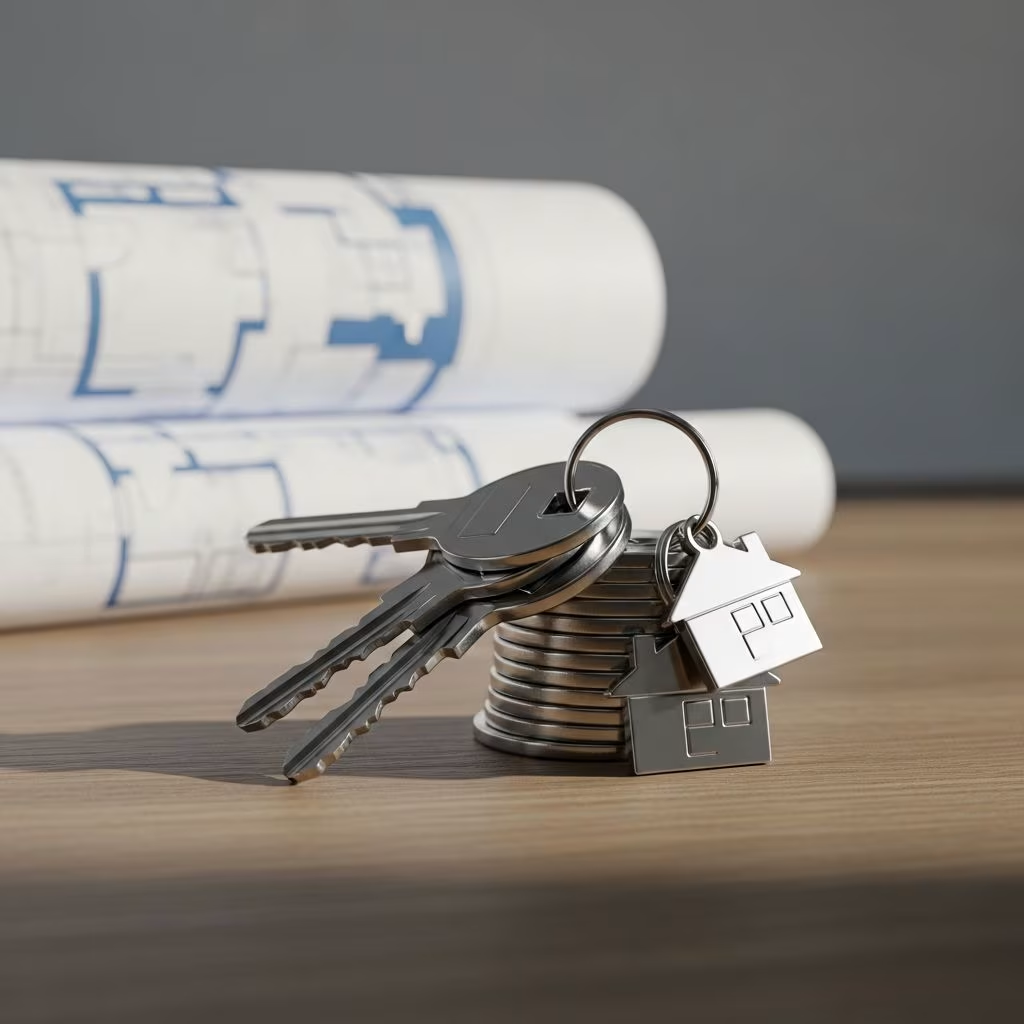
Turnkey properties represent a streamlined path to homeownership or investment, offering residences that require no immediate work from the buyer. These homes come complete with recent renovations, functional systems, and often stylish furnishings, allowing owners to settle in or generate income right away. Ideal for those short on time or expertise in renovations, they eliminate the chaos of construction projects.
Defining Turnkey Properties in Today’s Market
A turnkey property is one where all essential updates and repairs have been handled prior to sale. This includes refreshed interiors like new flooring and paint, upgraded kitchens and bathrooms, and reliable infrastructure such as HVAC, plumbing, and electrical systems. Exteriors often feature maintained landscaping, sturdy roofing, and appealing outdoor areas. For rental-focused buyers, these properties may already have tenants or be primed for quick leasing, ensuring steady cash flow from day one.
The term originates from the simplicity of inserting a key and entering a fully operational space. Unlike properties needing work, turnkey options cater to diverse buyers: first-timers avoiding DIY pitfalls, professionals with packed schedules, or investors seeking passive income streams. In competitive markets, they stand out for their readiness, appealing to vacation home seekers who want instant enjoyment without oversight hassles.
Key Features That Make Turnkey Homes Stand Out
Buyers recognize turnkey properties by their polished condition. Common hallmarks include:
- Contemporary kitchens with updated appliances, countertops, and cabinetry.
- Modern bathrooms featuring new fixtures and tiles.
- Fresh interior paint and durable flooring options like hardwood or luxury vinyl.
- Fully operational major systems, recently inspected or replaced.
- Curated furnishings and smart home tech for lighting, security, and climate control.
- Well-kept exteriors with trimmed lawns, patios, or decks ready for use.
- For investments, pre-arranged management or existing leases.
These elements ensure the home feels brand new, reducing the buyer’s initial workload significantly.
Advantages of Choosing a Turnkey Property
The primary draw of turnkey properties lies in their convenience. Buyers bypass months of disruption, moving straight into a comfortable space. This speed proves invaluable for relocations or second homes, where time off is limited.
Financial predictability is another boon. With renovations complete, budgets avoid overruns from contractor bids or material costs. Early maintenance needs drop, as systems are fresh, potentially lowering insurance premiums too.
For investors, immediate rental potential shines. Properties often arrive tenant-ready, delivering income without vacancy gaps. Fixed pricing in some contracts shields against market fluctuations, aiding cash flow planning.
| Benefit | Description |
|---|---|
| Swift Occupancy | Move in immediately, no delays. |
| Cost Certainty | Avoid hidden repair expenses. |
| Low Maintenance | New systems mean fewer fixes. |
| Income Ready | Ideal for quick rentals. |
Potential Drawbacks to Consider
Despite attractions, turnkey properties aren’t flawless. Prices run higher due to embedded renovation costs, demanding a larger upfront investment compared to fixer-uppers.
Customization options dwindle; changes mean added expense post-purchase. Quality isn’t uniform—sellers might cut corners, necessitating thorough inspections to uncover issues.
Investors face risks if management or tenants underperform. Market saturation in desirable areas can limit appreciation potential. Buyers must weigh these against the ease.
| Drawback | Impact |
|---|---|
| Premium Pricing | Higher cost than raw properties. |
| Limited Personalization | Hard to tweak designs. |
| Variable Quality | Requires due diligence. |
Turnkey vs. Traditional Fixer-Uppers: A Clear Comparison
Deciding between turnkey and fixer-uppers hinges on lifestyle and goals. Turnkey suits those prioritizing speed and simplicity, while fixer-uppers attract hands-on enthusiasts chasing equity through sweat.
| Aspect | Turnkey Properties | Fixer-Uppers |
|---|---|---|
| Readiness | Immediate use | Requires work |
| Timeline | Days to move | Weeks to months |
| Effort Level | Minimal | High management |
| Cost Structure | Higher initial, stable | Lower entry, variable adds |
| Best For | Busy buyers, investors | DIY fans |
Turnkey wins for efficiency; fixer-uppers offer creative freedom and potential savings.
Ideal Buyers for Turnkey Opportunities
First-time buyers benefit from skipping renovation unknowns, gaining modern homes without expertise. Busy professionals value the hands-off approach, focusing on careers over projects.
Second-home owners, especially remote ones, appreciate fully prepped retreats for beaches or mountains. Investors target rentals for passive income, leveraging built-in management.
In 2025-2026 markets, turnkey appeals amid high interest rates and labor shortages, offering stability.
Steps to Secure a Turnkey Property
Start with research: scout listings highlighting ‘move-in ready’ or ‘fully renovated.’ Engage realtors specializing in such properties.
Inspect rigorously—hire professionals to check systems, even if touted as new. Review seller disclosures for recent work.
Secure financing; turnkey’s readiness aids approvals. For investments, analyze rental yields and local demand.
Negotiate inclusions like appliances. Close swiftly to capitalize on preparedness.
Investment Potential in Turnkey Rentals
Turnkey rentals excel for income generation. Pre-renovated units with tenants minimize voids, supporting steady returns. Paired with management, they suit novices.
Benefits include fixed costs, tax perks like depreciation, and incentives in growth areas. Yields improve in high-demand locales, though location trumps all.
Frequently Asked Questions
What exactly qualifies as a turnkey property?
A fully updated home ready for occupancy, with all systems and finishes complete.
Are turnkey properties more expensive?
Yes, due to prior improvements, but they save on future costs.
Do I still need a home inspection?
Absolutely, to verify quality and avoid surprises.
Can turnkey work for vacation homes?
Perfectly, offering instant usability without remote oversight.
What’s the resale value like?
Often strong in desirable areas, thanks to broad appeal.
References
- What is a turnkey home? Meaning, benefits, and how it works — Pacaso. 2023. https://www.pacaso.com/blog/what-is-a-turnkey-home-meaning-benefits-and-how-it-works
- What Is a Turnkey Property? — SoFi. 2024. https://www.sofi.com/learn/content/what-is-a-turnkey-property/
- Turnkey property: A guide for first-time buyers — Parkers Properties. 2024. https://www.parkersproperties.co.uk/guides/buying/turnkey-property-a-guide-for-first-time-buyers/
- What Is a Turnkey Home? Benefits and Risks Explained — More Seller Financing. 2025-03-07. https://moresellerfinancing.com/2025/03/07/what-is-a-turnkey-home/
- What Is a Turnkey Property? — DPN. 2024. https://www.dpn.com.au/knowledge/what-is-a-turnkey-property
- Why turnkey properties make a smart investment — Carlisle Homes. 2024. https://www.carlislehomes.com.au/blog/home-insights/why-you-should-invest-in-turnkey-properties/
This article is general information, not personal financial advice. Consider your own situation, or speak with a licensed adviser, before acting on it.


