

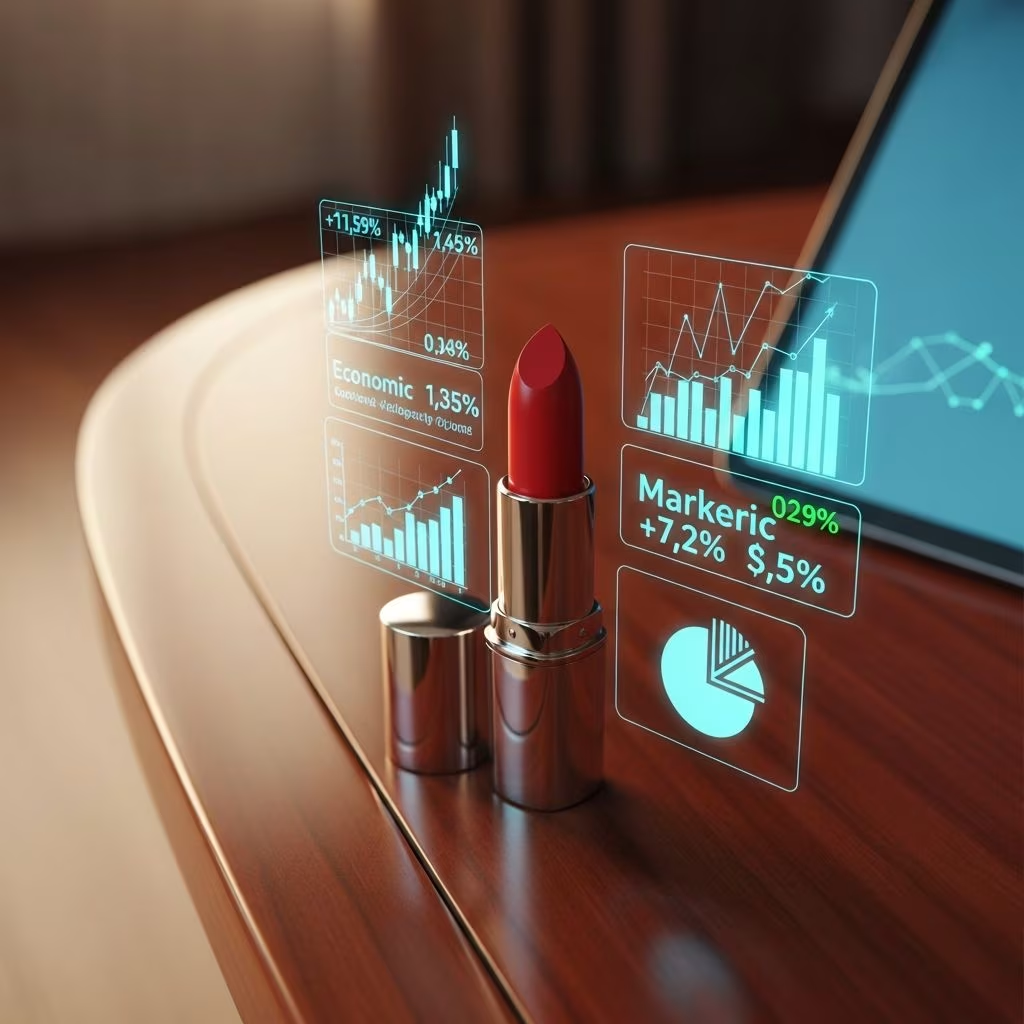
The lipstick index tracks surges in sales of inexpensive luxury items like lipstick during economic downturns, serving as a gauge of consumer resilience and sentiment.
Origins of the Lipstick Phenomenon
This concept emerged from observations in the beauty industry, highlighting how people pivot to small treats when big spending feels risky. It gained prominence through industry leaders spotting patterns in cosmetics purchases amid broader financial strain.
During challenging periods, individuals seek quick mood boosts without major financial commitment. Lipstick, often priced under $30, fits perfectly as an accessible splurge that delivers immediate gratification and a sense of glamour.
Psychological Forces Behind Affordable Indulgences
At its core, the lipstick index reflects human psychology. Economic stress triggers a need for comfort and control. Small luxuries provide emotional uplift, signaling self-care and normalcy when larger aspirations like vacations or cars seem out of reach.
- Emotional Escape: Applying lipstick offers a ritual of transformation, countering feelings of uncertainty.
- Budget-Friendly Reward: Low cost preserves savings while satisfying indulgence urges.
- Social Signaling: Enhances appearance for social or professional interactions, maintaining confidence.
Research shows consumers prioritize such micro-luxuries to cope with inflation or recession fears, extending beyond cosmetics to items like craft beers or streaming subscriptions.
Historical Case Studies and Data Patterns
Key events illustrate the index’s dynamics. In the early 2000s downturn, following global shocks, lipstick sales reportedly climbed 11% in late 2001, contrasting with slumping luxury sectors.
Similar trends appeared during the 2008 crisis, where cosmetics held steady amid plunging markets and rising unemployment. Sales of affordable beauty products resisted the broader retail decline, suggesting persistent demand for feel-good purchases.
| Period | Lipstick Sales Trend | Broader Economy | Key Observation |
|---|---|---|---|
| 2001 Recession | Up 11% | Declining | Post-terror attack resilience |
| Great Depression (1930s) | Up 25% | Severe contraction | Historical parallel |
| 2008 Financial Crisis | Stable/Up | Global meltdown | Affordable luxuries endure |
These examples underscore an inverse correlation: as GDP falters, small luxury sales often rise, hinting at shifting priorities.
Challenges and Critiques of the Theory
Not all data supports unwavering reliability. During the late 2000s recession, lipstick sales dipped alongside overall activity, challenging the index’s predictive power.
Post-pandemic analyses reveal further nuances. Beauty sales grew, but premium segments outperformed budget ones as brands emphasized high-end items. Inflation squeezed disposable income, diverting splurges to dining or spirits rather than makeup.
- Sales growth tied to celebrity lines, not pure economics.
- Modern consumers favor experiences over products.
- Abundant choices lead to purchase hesitation.
Economists debate its utility, viewing it more as anecdotal than robust metric, yet it captures real behavioral shifts.
Modern Evolutions and Broader Applications
The principle now applies to diverse affordable luxuries. Men increasingly buy premium grooming or craft beverages; millennials splurge on takeout or gadgets.
Trackers like “nail polish index” or “mascara effect” extend the idea, monitoring personal care segments in company reports.
Digital tools enhance monitoring: Google search spikes for “lipstick deals,” sentiment analysis on social media, or retail data from beauty giants signal shifts early.
Investment Strategies Informed by the Index
For investors, rising lipstick sales flag resilient consumer pockets. Focus on beauty firms with strong affordable lines during volatility.
Key tactics:
- Monitor quarterly earnings in cosmetics/personal care for upticks amid downturns.
- Diversify into defensive stocks like beauty, which weather recessions better than cyclical luxury.
- Pair with macro indicators like consumer confidence surveys for confirmation.
Historical resilience in 2008 positioned beauty ETFs favorably, though recent inflation tests demand caution.
Global Perspectives and Cultural Variations
Beyond the U.S., similar patterns emerge. In Europe during austerity, fragrance sales rose; Asia saw skincare booms amid slowdowns. Cultural emphasis on grooming amplifies the effect in beauty-conscious markets.
Gender neutrality grows: unisex products and male grooming challenge the female-centric origin story.
Measuring the Index Today
Practical tracking involves:
- Public filings from Estée Lauder, L’Oréal, or Ulta for segment growth.
- Trends in e-commerce platforms for cosmetics volume.
- Consumer surveys on indulgence spending.
While imperfect, it complements traditional indicators like retail sales or PMI.
Future Outlook in Uncertain Economies
With ongoing inflation and geopolitical risks, watch for lipstick surges as early recovery signs. Evolving retail—online, subscription models—may refine the signal.
AI-driven personalization could boost small luxuries further, sustaining the index’s relevance.
Frequently Asked Questions
What exactly is the lipstick index?
It measures increased sales of cheap luxuries like lipstick during economic hardship, reflecting cautious optimism.
Who first popularized this idea?
Leonard Lauder, Estée Lauder chairman, in 2001 after noting post-crisis sales jumps.
Does it only apply to lipstick or women’s products?
No, it covers any small indulgence like nail polish, beer, or skincare for all genders.
Has data always confirmed the lipstick effect?
Not consistently; some recessions saw declines, attributing rises to other factors like trends.
How can investors use it?
As a sentiment gauge for beauty stocks and consumer staples during volatility.
References
- Lipstick effect – Wikipedia — Wikipedia. 2023-10-15. https://en.wikipedia.org/wiki/Lipstick_effect
- The Lipstick Index: A Quirky Yet Powerful Economic Indicator — Navia. 2023-01-20. https://navia.co.in/blog/lipstick-index-a-powerful-economic-indicator/
- Let Them Wear Lipstick: the Unexpected Economic Indicator — UNG Vanguard. 2022-11-10. https://ungvanguard.org/41918/life/let-them-wear-lipstick-the-unexpected-economic-indicator/
- For consumers, splurges aren’t just lipstick — Deloitte. 2023-09-05. https://www.deloitte.com/us/en/insights/industry/retail-distribution/consumer-behavior-trends-state-of-the-consumer-tracker/splurge-spending-inflation-lipstick-index.html
- The End of the Lipstick Index — Business of Fashion. 2023-05-12. https://www.businessoffashion.com/articles/beauty/lipstick-index-not-real-beauty-recession/
This article is general information, not personal financial advice. Consider your own situation, or speak with a licensed adviser, before acting on it.


